SuppHelper
search

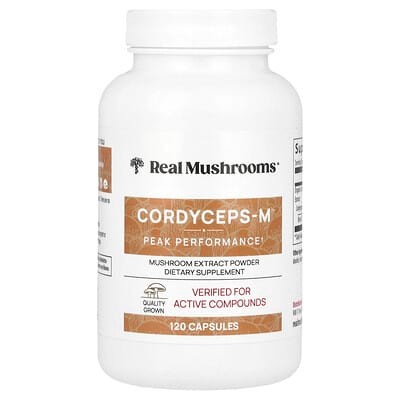
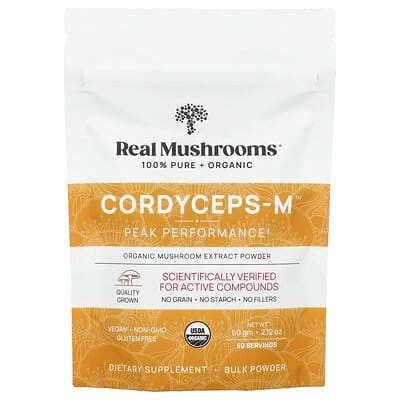
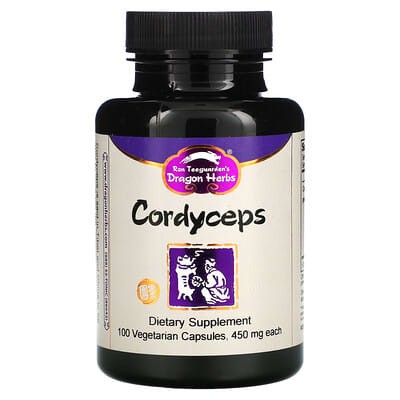
Cordyceps

notesDescription

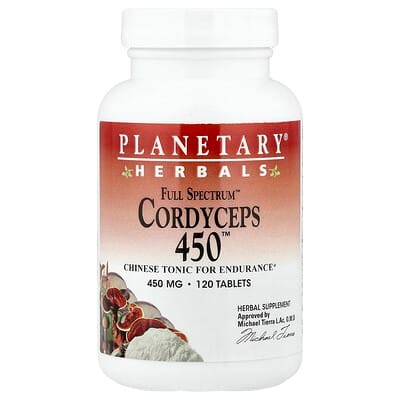
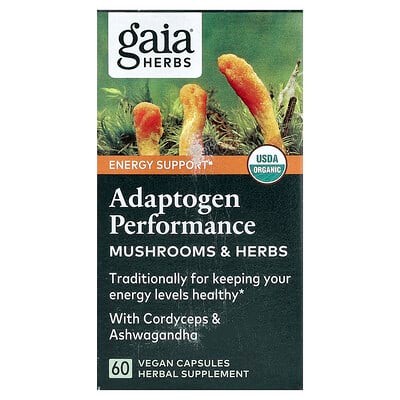
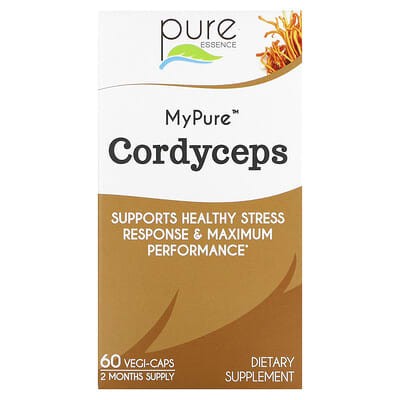
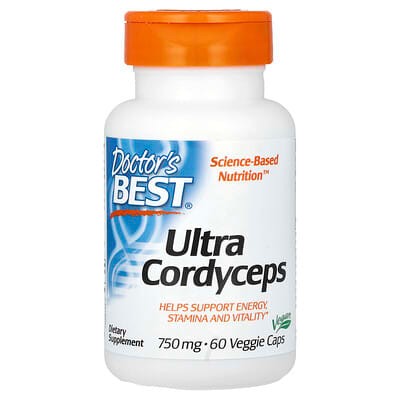
Cordyceps is a parasitic fungus that naturally grows on insect larvae, primarily found in high-altitude regions of the Himalayas and Tibet. The most well-known species, *Cordyceps sinensis* (now *Ophiocordyceps sinensis*), has been a staple in traditional Chinese and Tibetan medicine for centuries. It is highly valued for its wide range of potential health benefits, often referred to as a "caterpillar fungus" due to its unique life cycle and medicinal properties. The health benefits of Cordyceps are attributed to its rich composition of bioactive compounds, including cordycepin, adenosine, polysaccharides, and ergosterol. These compounds are believed to contribute to its adaptogenic properties, helping the body maintain balance and resist various stressors. Cordyceps may influence cellular energy production, antioxidant pathways, and immune system modulation, supporting overall physiological resilience. Modern research has explored Cordyceps for its potential roles in enhancing athletic performance, supporting respiratory function, improving kidney health, and exhibiting anti-inflammatory and antioxidant effects. It is commonly consumed as a dietary supplement in various forms, including capsules, powders, and extracts, often standardized for its active compounds, making it a popular choice for vitality and wellness.

ecoSources
High-altitude regions of the Himalayas, Tibet, China, Nepal, and Bhutan (parasitic on insect larvae)Cultivated Cordyceps (often *Cordyceps militaris*)
Cheapest Cordyceps supplements
Discover the most affordable Cordyceps options to boost your immunity, enhance energy, support testosterone levels, and improve productivity.
Best Cordyceps Supplements
Discover the top Cordyceps supplements to boost immunity, enhance energy, support testosterone, and improve productivity with our comprehensive comparison.
Value Cordyceps Supplements
Compare top value Cordyceps supplements designed to enhance immunity, energy, testosterone support, and productivity, empowering you to make an informed choice for your wellness journey.
scheduleTiming & Intake
scheduleAnytimerestaurantWith foodlocal_drinkTake with It is often suggested to take Cordyceps with a meal for better absorption and to reduce potential stomach discomfort.
infoConsistency is key for observing benefits. Some individuals prefer taking it in the morning or before physical activity for energy support.
check_circleOptimal Dosage
Minimum1000 mg
Maximum3000 mg
report_problemSafety & Toxicity
track_changesGoals
Productivity Boost
workspace_premiumProductivity Boost
Impact
High effect
Typical dose:500–3000 mg
Cordyceps mushroom is known to improve the body's production of ATP, the primary energy molecule. This enhancement in cellular energy and improved oxygen efficiency directly combats mental fatigue, supporting sustained cognitive effort and endurance during demanding work.
View goal →
Productivity Boost
workspace_premiumProductivity Boost
Impact
High effect
Typical dose:500–3000 mg
Cordyceps mushroom is known to improve the body's production of ATP, the primary energy molecule. This enhancement in cellular energy and improved oxygen efficiency directly combats mental fatigue, supporting sustained cognitive effort and endurance during demanding work.
View goal →
Productivity Boost
workspace_premiumProductivity Boost
Impact
High effect
Typical dose:500–3000 mg
Cordyceps mushroom is known to improve the body's production of ATP, the primary energy molecule. This enhancement in cellular energy and improved oxygen efficiency directly combats mental fatigue, supporting sustained cognitive effort and endurance during demanding work.
View goal →
Immunity
health_and_safetyImmunity
Impact
Moderate effect
Typical dose:1000–3000 mg
Cordyceps contains polysaccharides and other compounds that can enhance the activity of macrophages and natural killer cells, key components of the innate immune system. It also supports oxygen utilization and energy production, which can be beneficial during recovery from illness.
View goal →
Energy
boltEnergy
Impact
Situational effect
Typical dose:1000–3000 mg
Traditionally used to combat fatigue and improve vitality, Cordyceps is popular among athletes for boosting endurance and aerobic capacity. Research suggests it may increase the body's production of ATP, making more energy available to the muscles.
View goal →
sync_altInteractions

add_circle_outlinePositive Interactions

add_circle
Green Tea
May offer synergistic antioxidant and immune-modulating effects.
add_circle
Ashwagandha
Both are adaptogens; may enhance stress resistance and overall vitality when combined.
add_circle
Rhodiola
Both are adaptogens; can complement each other to improve stress response and endurance.
add_circle
Coenzyme Q-10
Both support cellular energy production, potentially enhancing athletic performance and vitality.
add_circle
Vitamin C
Can enhance immune support and antioxidant benefits when combined with Cordyceps.
add_circle
Zinc
May offer synergistic immune support when taken with Cordyceps.
add_circle
Selenium
Provides synergistic antioxidant and immune support when combined.
add_circle
Hericium mushroom
Combining different medicinal mushrooms can offer a broader spectrum of health benefits, including immune and cognitive support.
add_circle
Curcumin
Both possess anti-inflammatory properties, potentially enhancing overall anti-inflammatory effects.
add_circle
Turmeric
Both possess anti-inflammatory properties, potentially enhancing overall anti-inflammatory effects.

remove_circle_outlineNegative Interactions

remove_circle
Omega-3
Cordyceps may have mild anticoagulant effects, which could be additive with the blood-thinning properties of Omega-3s, theoretically increasing bleeding risk.
remove_circle
Fish Oil
Cordyceps may have mild anticoagulant effects, which could be additive with the blood-thinning properties of Fish Oil, theoretically increasing bleeding risk.
remove_circle
EPA (Eicosapentaenoic Acid)
Cordyceps may have mild anticoagulant effects, which could be additive with the blood-thinning properties of EPA, theoretically increasing bleeding risk.
remove_circle
DHA
Cordyceps may have mild anticoagulant effects, which could be additive with the blood-thinning properties of DHA, theoretically increasing bleeding risk.
remove_circle
Ginkgo
Both Ginkgo and Cordyceps are noted for mild anticoagulant effects; combining them could theoretically increase the risk of bleeding.
analyticsProduct stats
sellPrice per product
Average$30.17
Median$29.67
restaurantPrice per serving
Average$0.77
Median$0.84
sciencePrice per 1000 mg
Average$0.52
Median$0.57
bar_chartPrice distribution
bar_chartPrice per serving distribution
bar_chartPrice per 1000 mg
Reference amount: 1000 mg
categoryForms
bar_chartPaired ingredients
water_dropIngredient forms
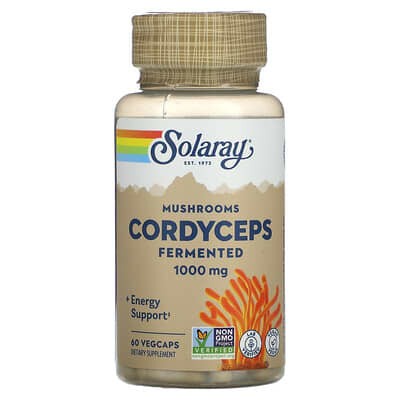
category Cordyceps militaris, Fermented (3) 82
This form involves culturing Cordyceps militaris mycelia in a liquid medium via a fermentation process. Fermentation can break down complex compounds into more bioavailable forms, increase the concentration of certain active metabolites like cordycepin, and potentially generate new beneficial compounds. This method offers a sustainable and scalable way to produce Cordyceps biomass with potentially enhanced properties.
thumb_upPros
  • Enhanced bioavailability of active compounds
  • Potentially increased levels of specific bioactive metabolites
  • Sustainable and controlled production method
  • Often free from heavy metals and contaminants associated with wild harvesting
thumb_downCons
  • Specific compound profile may differ from whole fruiting body or traditional extracts
  • Quality and efficacy can vary depending on fermentation parameters and strain
  • May not contain the full spectrum of compounds present in the fruiting body
sellPer product
Avg$21.05
Med$17.99
restaurantPer serving
Avg$0.69
Med$0.59
science Per 100 mg
Avg$0.05
Med$0.05
Price distribution
category Cordyceps militaris (2) 75
This refers to the dried fruiting body or mycelial biomass of Cordyceps militaris, typically ground into a powder. It offers the full array of naturally occurring compounds in the mushroom, including polysaccharides, cordycepin, ergosterol, and various vitamins and minerals. While less concentrated than extracts, it provides a holistic profile of the mushroom's constituents in their natural ratios, representing a traditional method of consumption.
thumb_upPros
  • Contains the full spectrum of natural compounds for potential synergistic effects
  • Less processed, closer to its natural state
  • Generally more affordable than concentrated extracts
thumb_downCons
  • Lower potency compared to standardized extracts, requiring higher doses for similar effects
  • Inconsistent levels of active compounds due to natural variations
  • Taste and texture may be less palatable for some
sellPer product
Avg$48.39
Med$48.39
restaurantPer serving
Avg$0.69
Med$0.69
science Per 100 mg
Avg$0.20
Med$0.20
Price distribution
category Cordyceps militaris Extract (2) 88
Cordyceps militaris extract is derived from the fruiting bodies or mycelia of the Cordyceps militaris mushroom. The extraction process concentrates key bioactive compounds, such as cordycepin, polysaccharides (beta-glucans), and triterpenes, which are associated with its adaptogenic, immune-modulating, and energy-supporting properties. Standardization ensures consistent potency and efficacy.
thumb_upPros
  • High potency and concentration of active compounds
  • Consistent dosing due to standardization
  • Potentially enhanced bioavailability of key constituents
  • Well-researched for specific benefits
thumb_downCons
  • May not contain the full spectrum of compounds found in the whole mushroom
  • Quality can vary depending on extraction methods and standardization
  • Often more expensive than whole mushroom powder
sellPer product
Avg$34.87
Med$34.87
restaurantPer serving
Avg$0.58
Med$0.58
science Per 1000 mg
Avg$0.58
Med$0.58
Price distribution
category Cordyceps sinensis (2) 65
This refers to the extremely rare and highly prized Ophiocordyceps sinensis, traditionally known as Cordyceps sinensis. It is a parasitic fungus that grows on ghost moth larvae in high-altitude regions of the Himalayas. 'Freeze-dried' is a preservation method aimed at retaining the nutritional and bioactive integrity of the raw material. The term 'fresh' is contradictory in conjunction with 'freeze-dried' and the nature of this ingredient, which is typically found and used in a dried state. Wild O. sinensis is scarce, prohibitively expensive, and its authenticity is a significant concern, often leading to substitution by cultivated species like C. militaris or mycelial biomass.
thumb_upPros
  • Historically significant with centuries of traditional use
  • Unique compound profile due to its natural growth conditions
  • Considered highly efficacious in traditional medicine systems
thumb_downCons
  • Extremely rare and prohibitively expensive
  • High risk of misidentification, adulteration, or fraudulent sourcing
  • The combination 'freeze-dried, fresh' is contradictory for this ingredient
  • Unsustainable harvesting practices raise ethical concerns
sellPer product
Avg$27.28
Med$27.28
restaurantPer serving
Avg$1.11
Med$1.11
science Per 100 mg
Avg$0.48
Med$0.48
Price distribution
category Paecilomyces hepiali Mycelium Extract (2) 72
Paecilomyces hepiali (specifically the Cs-4 strain) is a fungus traditionally cultivated and used as a bio-equivalent alternative to the rare and expensive wild Ophiocordyceps sinensis. This extract is derived from its mycelial biomass, typically grown through submerged fermentation. It contains similar bioactive compounds, including polysaccharides, mannitol, and adenosine, and has been extensively studied for its immune-modulating, energy-enhancing, and anti-fatigue properties, often mirroring the effects attributed to O. sinensis.
thumb_upPros
  • Sustainable and more affordable alternative to wild O. sinensis
  • Well-researched, particularly the Cs-4 strain, with clinical studies
  • Contains similar active compounds to traditional Cordyceps
  • Consistent composition due to controlled cultivation
thumb_downCons
  • Not the true Ophiocordyceps sinensis, may not replicate all its minor compounds
  • Public perception may prefer other Cordyceps species
  • Some may question its equivalence to the wild fungus
sellPer product
Avg$41.56
Med$41.56
restaurantPer serving
Avg$1.38
Med$1.38
science Per 100 mg
Avg$0.73
Med$0.73
Price distribution
category Cordyceps sinensis, Freeze-Dried, Fresh (1) 65
This refers to the extremely rare and highly prized Ophiocordyceps sinensis, traditionally known as Cordyceps sinensis. It is a parasitic fungus that grows on ghost moth larvae in high-altitude regions of the Himalayas. 'Freeze-dried' is a preservation method aimed at retaining the nutritional and bioactive integrity of the raw material. The term 'fresh' is contradictory in conjunction with 'freeze-dried' and the nature of this ingredient, which is typically found and used in a dried state. Wild O. sinensis is scarce, prohibitively expensive, and its authenticity is a significant concern, often leading to substitution by cultivated species like C. militaris or mycelial biomass.
thumb_upPros
  • Historically significant with centuries of traditional use
  • Unique compound profile due to its natural growth conditions
  • Considered highly efficacious in traditional medicine systems
thumb_downCons
  • Extremely rare and prohibitively expensive
  • High risk of misidentification, adulteration, or fraudulent sourcing
  • The combination 'freeze-dried, fresh' is contradictory for this ingredient
  • Unsustainable harvesting practices raise ethical concerns
sellPer product
Avg$42.06
Med$42.06
restaurantPer serving
Avg$0.35
Med$0.35
science Per 1000 mg
Avg$0.16
Med$0.16
Price distribution

SuppHelper

Compare supplements smarter. Science-backed, user-rated, updated daily.

Explore

  • Compare Supplements
  • Health Goals
  • Stacks

Legal

  • Privacy Policy
  • Terms of Use
  • Medical Disclaimer

Stay in the Loop

Medical disclaimer: Information on SuppHelper is for educational purposes only and is not medical advice. Statements on this site about dietary supplements have not been evaluated by the Food and Drug Administration. Dietary supplements are not intended to diagnose, treat, cure, or prevent any disease. Always consult a qualified healthcare professional before using supplements. Read full disclaimer

© 2025 SuppHelper. All rights reserved.