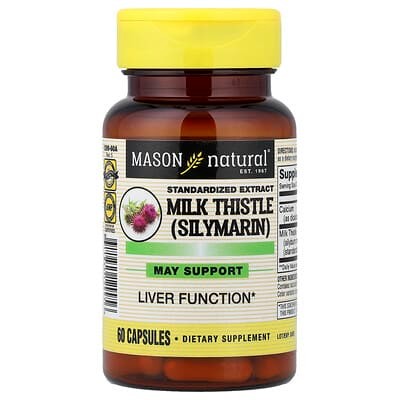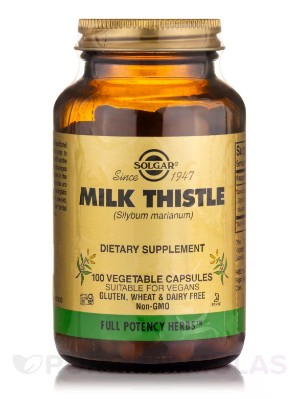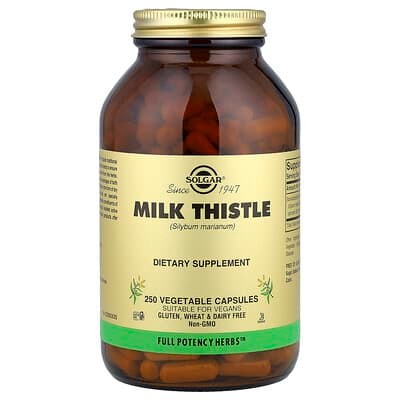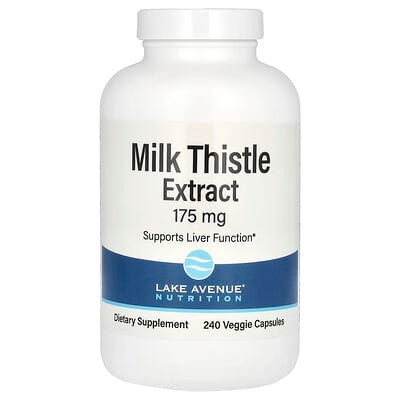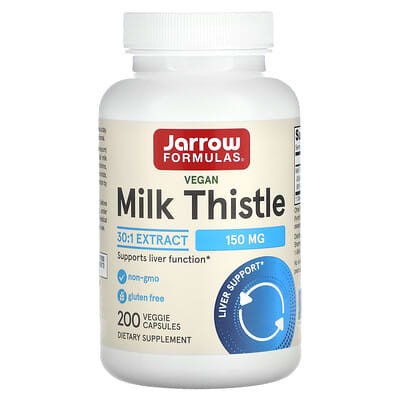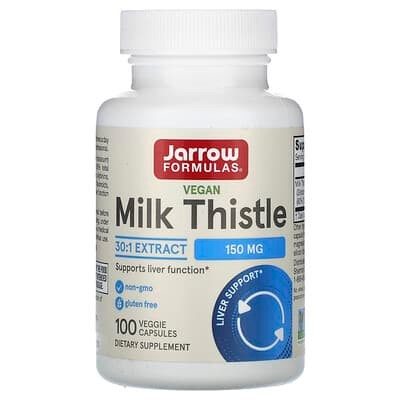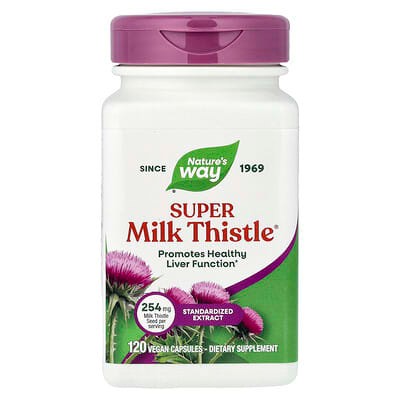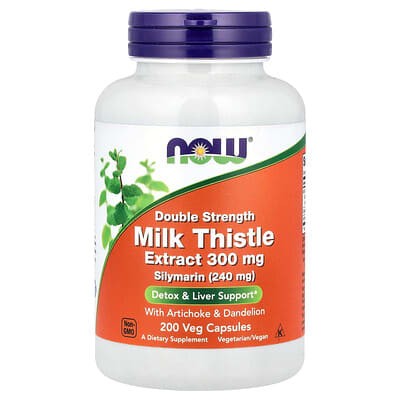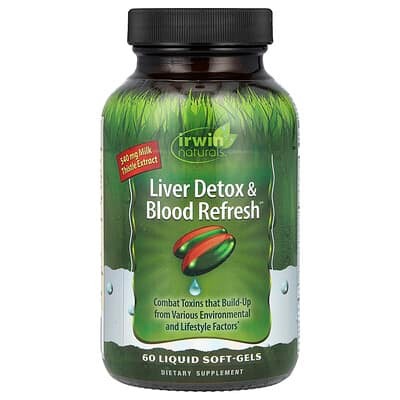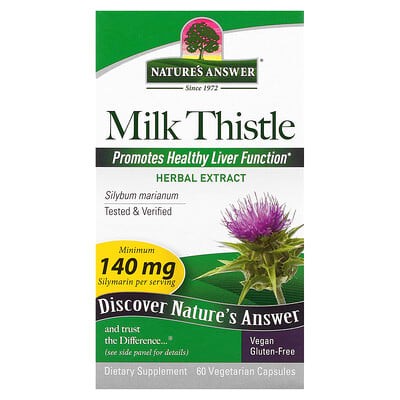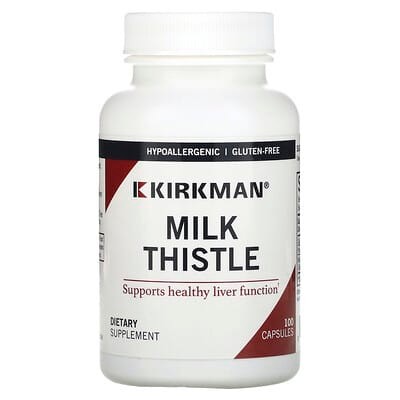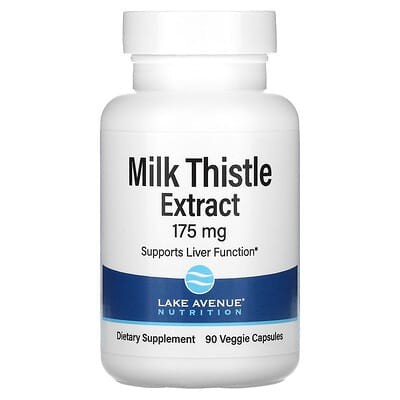
Milk Thistle
Milk Thistle (Silybum marianum) is a traditional herbal remedy widely recognized for its hepatoprotective effects. Its primary active component, a flavonoid complex known as silymarin, comprises several compounds, including silybin, which are believed to be responsible for its therapeutic benefits. This herb has been used for centuries in traditional medicine to support liver health. Silymarin acts as a powerful antioxidant, helping to protect liver cells from damage caused by toxins, free radicals, and inflammation. It can also aid in regenerating liver cells and supporting the liver's natural detoxification processes. Beyond liver support, Milk Thistle exhibits anti-inflammatory properties, potentially benefiting overall cellular health. Commonly available as an extract, capsule, or tea, Milk Thistle is often sought by individuals looking to support liver function, especially those exposed to environmental toxins or seeking general wellness. Its broad-spectrum antioxidant capabilities make it a valuable botanical for holistic health.
Positive Interactions
Negative Interactions
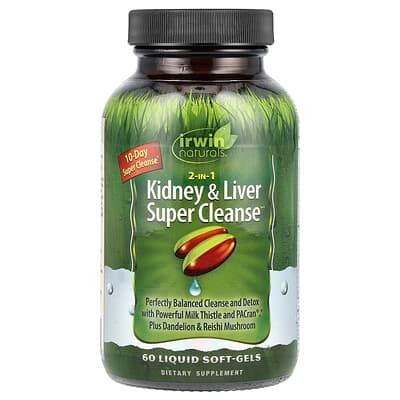
Milk Thistle
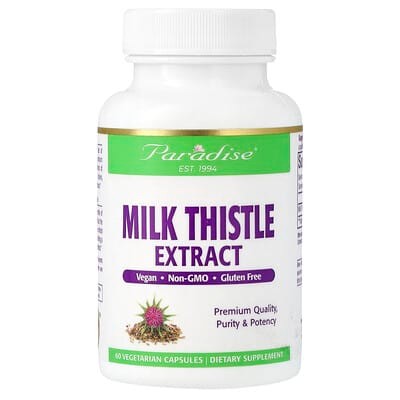
Milk Thistle Extract 1000 mg
Milk Thistle Dandelion & Yellow Dock
Advanced Milk Thistle
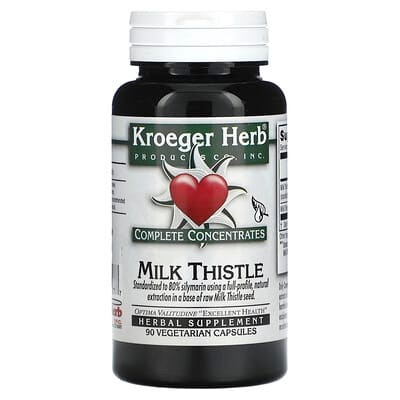
Milk Thistle
Double Strength Silymarin 300 mg
Milk Thistle 1000 mg
Milk Thistle 600 mg
Milk Thistle 500 mg
Milk Thistle
Double Strength Silymarin Milk Thistle Extract - 300 mg
Double Strength Silymarin
SuperPure Milk Thistle
Milk Thistle Phytosome 300 mg
Standardized Milk Thistle 240 mg
Milk Thistle
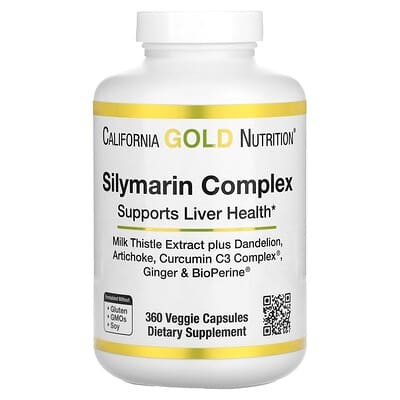
Silymarin Complex
Milk Thistle 250 mg
Milk Thistle Seed
Maximum Strength Milk Thistle Extract 750 mg
Milk Thistle Extract 300 mg
Silymarin
Milk Thistle 250 mg
Super Milk Thistle X
Milk Thistle
- Most active and well-researched compound of milk thistle.
- Potent antioxidant and anti-inflammatory properties.
- Directly supports liver cell protection and regeneration.
- Often standardized for consistent dosing.
- Can have poor bioavailability in its unformulated state.
- May be more expensive than whole extracts.
- Represents the key active components of milk thistle.
- Comprehensive benefits from the complex of compounds.
- Supports liver health and antioxidant defense.
- Bioavailability challenges similar to unformulated silymarin.
- The term 'Flavonoids' can be slightly broader, potentially less precise than 'Silymarin' alone depending on standardization.
- Concentrated and potent source of active silymarin.
- Often standardized for consistent efficacy.
- Supports liver regeneration and antioxidant defense.
- Terminology 'fruit' may occasionally cause botanical confusion.
- Bioavailability can be a factor if not specifically formulated.
- Concentrated and potent source of active silymarin.
- Often standardized for consistent efficacy.
- Supports liver regeneration and antioxidant defense.
- Terminology 'fruit' may occasionally cause botanical confusion.
- Bioavailability can be a factor if not specifically formulated.
- Concentrated form of beneficial compounds.
- Often standardized for consistent silymarin content.
- Offers a broader spectrum of phytochemicals from the seed.
- Potency can vary if not explicitly standardized.
- Still faces bioavailability challenges if not formulated for enhanced absorption.
- Most active and potent component of silymarin.
- Strongest evidence for liver protection and regeneration.
- Often included in enhanced bioavailability formulations (e.g., phytosomes).
- Naturally has poor bioavailability, often requiring specialized formulations for optimal absorption.
- More expensive due to isolation and purification.
- Represents the whole plant profile, including potential synergistic compounds.
- Traditional form of usage.
- Highly variable potency of active compounds (silymarin).
- Requires larger doses for comparable effects to extracts.
- Less effective for targeted therapeutic uses due to lower concentration.