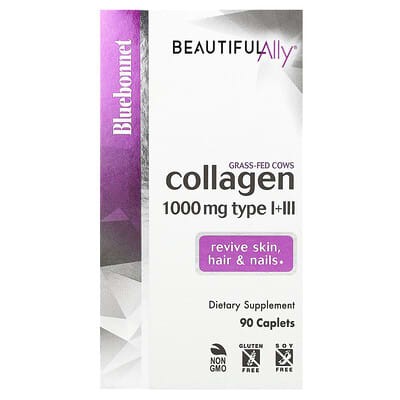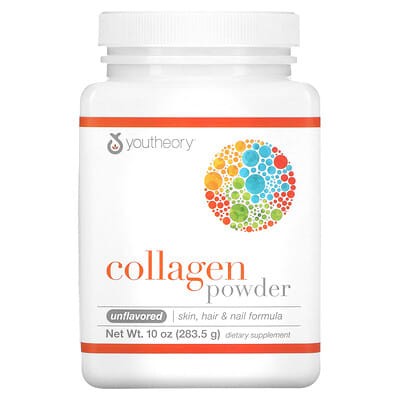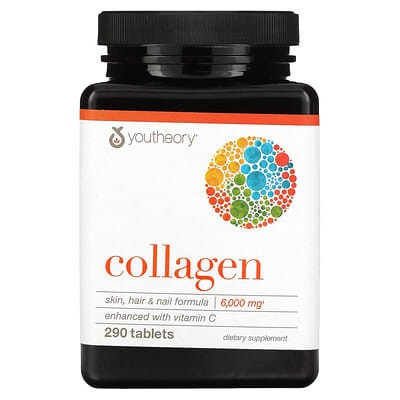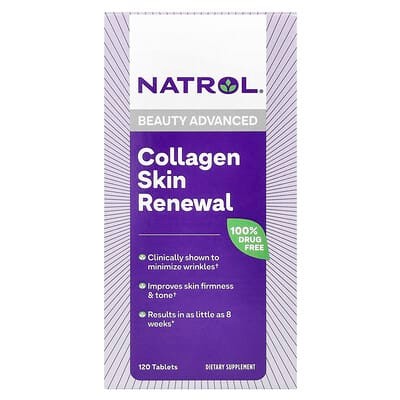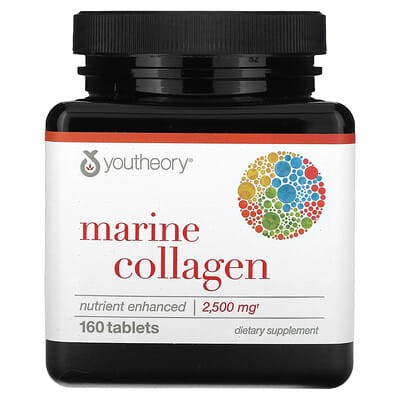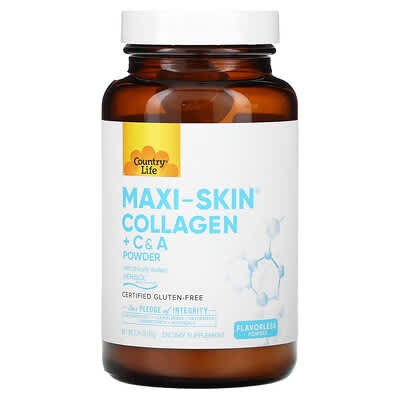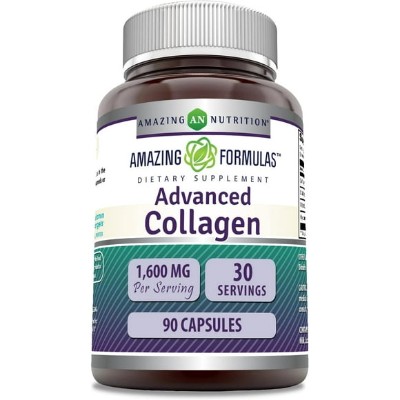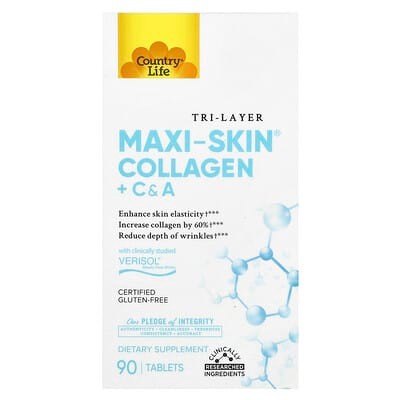
SuppHelper
search

Collagen

notesDescription

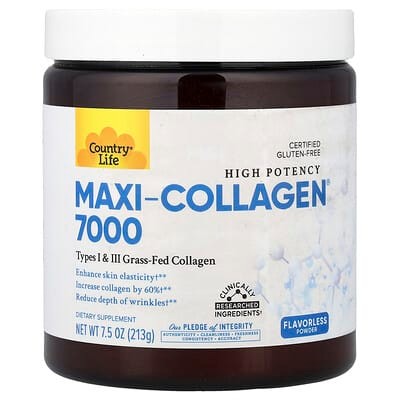
Collagen is a fundamental protein, constituting approximately one-third of the body's total protein content. It is a fibrous protein characterized by its triple-helix structure, which imparts remarkable tensile strength to tissues. Primarily found in the extracellular matrix, collagen is vital for the structural integrity of skin, providing firmness and elasticity; in bones, contributing to their strength; and in cartilage, tendons, and ligaments, ensuring flexibility and resilience. The body naturally produces collagen, but synthesis begins to decline around the mid-20s, accelerating with age, exposure to UV radiation, smoking, and poor diet. This reduction in collagen leads to common signs of aging, such as wrinkles, sagging skin, brittle nails, thinning hair, and joint discomfort. Supplementation aims to counteract these effects by providing the necessary building blocks for the body's own collagen production. There are at least 28 different types of collagen, but types I, II, and III are the most prevalent. Type I is abundant in skin, bones, tendons, and ligaments; Type II is primarily found in cartilage; and Type III is common in skin, blood vessels, and internal organs. The specific type of collagen in a supplement often dictates its targeted benefits, though many supplements offer a blend to support overall connective tissue health.

ecoSources
Bone broth (from beef, chicken, fish)Animal hides and skins (e.g., bovine, porcine)Fish skin and scalesChicken feetFoods rich in Vitamin C, Copper, Zinc, and Manganese (which support collagen synthesis)
Cheapest Collagen supplements
Discover the most affordable collagen supplements to support your joint, skin, hair, and nail health, anti-aging goals, and overall well-being without overspending.
Best Collagen supplements
Discover the top collagen supplements to support joint, skin, hair, and nail health, aid in anti-aging, boost fitness, and enhance overall wellness.
Value Collagen Supplements
Discover the best value collagen supplements to support joint health, anti-aging, hair, skin, and nail health, fitness, and overall well-being.
report_problemSafety & Toxicity
track_changesGoals
Joint Health
accessibilityJoint Health
Impact
Highest effect
Typical dose:5000–15000 mg
Hydrolyzed collagen peptides are easily absorbed and have been clinically shown to accumulate in cartilage, stimulating the production of new connective tissue, reducing joint pain, and improving function.
View goal →
Nail Health
styleNail Health
Impact
Highest effect
Typical dose:2500–15000 mg
Hydrolyzed collagen peptides are highly bioavailable and supply the fundamental amino acids required for nail growth. Studies suggest that collagen supplementation can support faster nail growth and reduce the frequency of broken or chipped nails.
View goal →
Skin Health
face_retouching_naturalSkin Health
Impact
Highest effect
Typical dose:2.5–15 g
Hydrolyzed collagen peptides are clinically shown to be well-absorbed and effective at increasing skin hydration, elasticity, and dermal collagen density. Supplementation helps counteract the age-related decline in collagen production, leading to a visible reduction in fine lines and wrinkles.
View goal →
Anti-Aging
hourglass_bottomAnti-Aging
Impact
High effect
Typical dose:2500–15000 mg
As the body's most abundant protein, collagen production declines with age, leading to wrinkles and joint stiffness. Hydrolyzed collagen peptides are well-absorbed and can stimulate the body's own collagen synthesis, supporting both aesthetic and functional health.
View goal →
Anti-Inflammatory Support
local_hospitalAnti-Inflammatory Support
Impact
High effect
Typical dose:5–20 g
Collagen, particularly hydrolyzed forms, supplies glycine and proline, which are essential for repairing connective tissue in joints and the gut barrier. By supporting tissue integrity and providing anti-inflammatory amino acids, it helps reduce pain and inflammation associated with arthritis and leaky gut.
View goal →
sync_altInteractions

add_circle_outlinePositive Interactions

add_circle
Vitamin C
Vitamin C is an essential cofactor for the synthesis of collagen, aiding in the hydroxylation of proline and lysine residues, which is critical for collagen's stability and structure.
add_circle
Copper
Copper is a cofactor for lysyl oxidase, an enzyme necessary for the cross-linking of collagen fibers, which provides tensile strength to connective tissues.
add_circle
Zinc
Zinc plays a role in collagen synthesis and tissue repair, supporting the body's ability to produce and maintain healthy connective tissues.
add_circle
Manganese
Manganese is a cofactor for enzymes involved in the synthesis of proteoglycans and collagen, which are crucial components of cartilage and connective tissues.
add_circle
Glycine
Glycine is the most abundant amino acid in collagen, forming a significant part of its triple-helix structure, thus enhancing collagen's structural integrity.
add_circle
Proline
Proline, along with hydroxyproline, is critical for collagen's unique helical structure and stability, contributing directly to its formation.
add_circle
Lysine
Lysine is an essential amino acid involved in the cross-linking of collagen fibers, a process that gives collagen its strength and stability.
add_circle
Arginine
Arginine is a precursor to proline, an amino acid vital for collagen synthesis, thus indirectly supporting collagen production.
add_circle
Glutamine
Glutamine supports protein synthesis and cell growth, which can indirectly aid in the repair and maintenance of tissues containing collagen.
add_circle
Hyaluronic Acid
Hyaluronic Acid works synergistically with collagen to improve skin hydration and elasticity, and to lubricate joints, enhancing the overall benefits for connective tissues.
add_circle
Silicon
Silicon contributes to the structural integrity of connective tissue and is thought to play a role in collagen formation and stabilization.
add_circle
Vitamin A
Vitamin A supports skin health and can influence collagen production and remodeling, protecting existing collagen and promoting new synthesis.
add_circle
Vitamin E
Vitamin E is an antioxidant that can protect collagen fibers from oxidative damage, helping to preserve their structure and function.
add_circle
Biotin
Biotin supports healthy hair, skin, and nails, complementing collagen's benefits for these tissues by contributing to overall epidermal health.
add_circle
N-Acetyl Glucosamine
N-Acetyl Glucosamine is a precursor to hyaluronic acid and other glycosaminoglycans, which are vital components of the extracellular matrix that support collagen.
analyticsProduct stats
sellPrice per product
Average$21.07
Median$19.99
restaurantPrice per serving
Average$0.65
Median$0.59
sciencePrice per 100 mg
Average$0.30
Median$0.16
bar_chartPrice distribution
bar_chartPrice per serving distribution
bar_chartPrice per 100 mg
Reference amount: 100 mg
categoryForms
bar_chartPaired ingredients
water_dropIngredient forms
category Chicken Sternal Cartilage (6) 92
This form is derived from chicken sternal cartilage and undergoes hydrolysis to break down the collagen into smaller, more easily absorbed peptides. It is rich in Type II collagen, which is the main structural component of articular cartilage. It also naturally contains other beneficial compounds like chondroitin sulfate and hyaluronic acid, which are crucial for joint lubrication and shock absorption.
thumb_upPros
  • Highly effective for joint health and mobility
  • Directly targets cartilage repair and regeneration
  • Naturally contains chondroitin sulfate and hyaluronic acid
  • Well-researched for osteoarthritis support
thumb_downCons
  • Less direct impact on skin, hair, or nails compared to Type I/III collagens
  • Not suitable for vegetarians or vegans
sellPer product
Avg$50.33
Med$49.00
restaurantPer serving
Avg$1.17
Med$1.32
science Per 1000 mg
Avg$1.02
Med$1.07
Price distribution
category Chicken Sternal Cartilage extract (5) 90
This extract is derived from chicken sternal cartilage, a rich source of Type II collagen, which is the predominant collagen found in articular cartilage. It naturally contains glycosaminoglycans like chondroitin sulfate and hyaluronic acid, known for their roles in joint lubrication and shock absorption. This form is specifically chosen for its targeted benefits for cartilage and joint integrity.
thumb_upPros
  • Excellent for joint health, reducing discomfort and improving flexibility
  • Contains natural chondroitin sulfate and hyaluronic acid, beneficial for joints
  • Supports cartilage structure and resilience
thumb_downCons
  • Primarily beneficial for joints, with less direct impact on skin, hair, or nails
  • Not suitable for vegetarians or vegans
sellPer product
Avg$31.49
Med$25.99
restaurantPer serving
Avg$0.70
Med$0.64
science Per 1000 mg
Avg$0.70
Med$0.64
Price distribution
category Bovine (4) 93
Bovine collagen is extracted from the hides, bones, and cartilage of cattle. It is a rich source of Type I and Type III collagen, the most abundant types in the human body. Type I is crucial for skin, bones, tendons, and ligaments, while Type III supports skin, muscles, and blood vessels. Bovine collagen is highly bioavailable, especially in its hydrolyzed form, making it a popular choice for comprehensive structural support.
thumb_upPros
  • Highly effective for skin, hair, nails, bones, joints, and gut health
  • Widely available and generally more affordable
  • Neutral taste and odor in hydrolyzed powder forms
thumb_downCons
  • Not suitable for vegetarians/vegans or those with beef allergies
  • Ethical sourcing practices can be a concern for some consumers
sellPer product
Avg$12.92
Med$12.85
restaurantPer serving
Avg$0.28
Med$0.27
science Per 1000 mg
Avg$0.19
Med$0.18
Price distribution
category Chicken (4) 87
Collagen from chicken sources can be extracted from various parts, including sternal cartilage (rich in Type II) and skin/bones (rich in Type I and III). This broad category implies a more generalized chicken-derived collagen, which can offer a spectrum of collagen types. It's often valued for its Type II content, which supports joint health, but also contributes to skin, hair, and nail health through Type I and III collagens.
thumb_upPros
  • Provides a beneficial blend of collagen types (I, II, III)
  • Good for joint health (Type II) and overall connective tissue support
  • Supports skin, hair, and nails (Type I/III)
thumb_downCons
  • Less specific in its collagen type composition than targeted extracts (e.g., Chicken Sternal Cartilage extract)
  • Not suitable for vegetarians or vegans
sellPer product
Avg$18.09
Med$20.09
restaurantPer serving
Avg$0.19
Med$0.19
science Per 1000 mg
Avg$0.12
Med$0.12
Price distribution
category Fish (4) 88
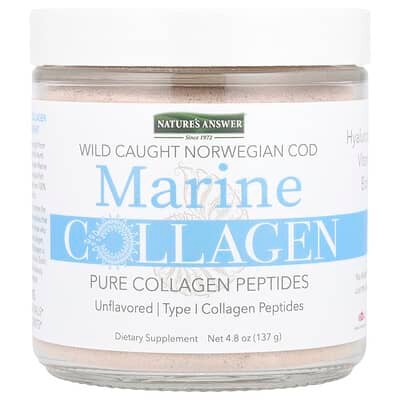
Fish collagen, often referred to as marine collagen, is extracted from the skin, scales, and bones of fish. It is predominantly Type I collagen, which is the most abundant type in the human body, particularly concentrated in skin, tendons, ligaments, bones, and teeth. Its smaller peptide size is thought to contribute to higher bioavailability compared to other sources, making it highly effective for skin elasticity and hydration.
thumb_upPros
  • High bioavailability due to smaller peptide size
  • Excellent for skin hydration, elasticity, and wrinkle reduction
  • Supports hair and nail strength
  • Pescatarian-friendly
thumb_downCons
  • Potential fishy odor or taste (though often minimized in supplements)
  • Not suitable for individuals with fish allergies
  • Generally more expensive than bovine collagen
sellPer product
Avg$15.62
Med$15.39
restaurantPer serving
Avg$0.49
Med$0.50
science Per 1000 mg
Avg$0.27
Med$0.27
Price distribution
category hydrolyzed Gelatin (3) 88
Gelatin is essentially cooked collagen, typically derived from animal hides, bones, and connective tissues (often bovine or porcine). When further processed through hydrolysis, it becomes 'hydrolyzed gelatin' or collagen peptides. This process breaks down the large protein molecules into smaller, easily digestible and absorbable peptides. It primarily contains Type I and Type III collagen, providing benefits for skin, hair, nails, joints, and gut health.
thumb_upPros
  • Highly bioavailable and easily digested
  • Supports skin, hair, nail, joint, and gut health
  • Often more affordable than specialized collagen products
thumb_downCons
  • Source (often porcine or bovine) may be a concern for some dietary restrictions
  • Taste or texture might be less neutral than other hydrolyzed collagens if not highly refined
sellPer product
Avg$8.89
Med$8.89
restaurantPer serving
Avg$0.33
Med$0.32
science Per 10 mg
Avg$0.00
Med$0.00
Price distribution
category Type I & III Collagen (3) 95
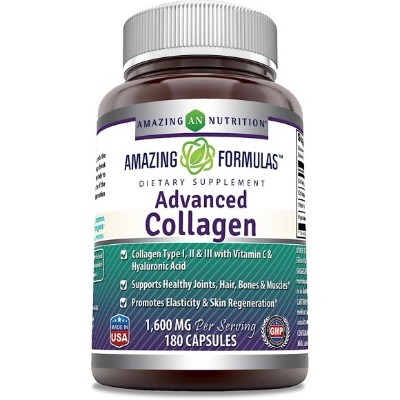
This form specifically highlights the combination of Type I and Type III collagen, which are critical for the structure and integrity of skin, hair, nails, bones, tendons, ligaments, and organs. Type I is the most prevalent, forming dense fibers, while Type III is often found alongside Type I, particularly in skin, blood vessels, and internal organs, contributing to elasticity and strength. This combination is ideal for broad structural support throughout the body.
thumb_upPros
  • Comprehensive benefits for skin, hair, nails, bones, and gut health
  • Supports youthful appearance and strong connective tissues
  • Widely distributed and highly abundant in the human body
thumb_downCons
  • Does not provide specific Type II benefits for cartilage (e.g., in advanced joint conditions)
  • Specific source (e.g., bovine, marine) not explicitly stated, which may be a concern for some
sellPer product
Avg$28.34
Med$27.69
restaurantPer serving
Avg$0.94
Med$0.92
science Per 100 mg
Avg$0.06
Med$0.06
Price distribution
category hydrolyzed Chicken Sternal Cartilage extract (2) 92
This form is derived from chicken sternal cartilage and undergoes hydrolysis to break down the collagen into smaller, more easily absorbed peptides. It is rich in Type II collagen, which is the main structural component of articular cartilage. It also naturally contains other beneficial compounds like chondroitin sulfate and hyaluronic acid, which are crucial for joint lubrication and shock absorption.
thumb_upPros
  • Highly effective for joint health and mobility
  • Directly targets cartilage repair and regeneration
  • Naturally contains chondroitin sulfate and hyaluronic acid
  • Well-researched for osteoarthritis support
thumb_downCons
  • Less direct impact on skin, hair, or nails compared to Type I/III collagens
  • Not suitable for vegetarians or vegans
sellPer product
Avg$26.55
Med$26.55
restaurantPer serving
Avg$0.88
Med$0.88
science Per 1000 mg
Avg$0.84
Med$0.84
Price distribution
category proprietary Chicken Cartilage extract (2) 87
Collagen from chicken sources can be extracted from various parts, including sternal cartilage (rich in Type II) and skin/bones (rich in Type I and III). This broad category implies a more generalized chicken-derived collagen, which can offer a spectrum of collagen types. It's often valued for its Type II content, which supports joint health, but also contributes to skin, hair, and nail health through Type I and III collagens.
thumb_upPros
  • Provides a beneficial blend of collagen types (I, II, III)
  • Good for joint health (Type II) and overall connective tissue support
  • Supports skin, hair, and nails (Type I/III)
thumb_downCons
  • Less specific in its collagen type composition than targeted extracts (e.g., Chicken Sternal Cartilage extract)
  • Not suitable for vegetarians or vegans
sellPer product
Avg$20.14
Med$20.14
restaurantPer serving
Avg$0.69
Med$0.69
science Per 100 mg
Avg$0.08
Med$0.08
Price distribution

SuppHelper

Compare supplements smarter. Science-backed, user-rated, updated daily.

Explore

  • Compare Supplements
  • Health Goals
  • Stacks

Legal

  • Privacy Policy
  • Terms of Use
  • Medical Disclaimer

Stay in the Loop

Medical disclaimer: Information on SuppHelper is for educational purposes only and is not medical advice. Statements on this site about dietary supplements have not been evaluated by the Food and Drug Administration. Dietary supplements are not intended to diagnose, treat, cure, or prevent any disease. Always consult a qualified healthcare professional before using supplements. Read full disclaimer

© 2025 SuppHelper. All rights reserved.