SuppHelper
search

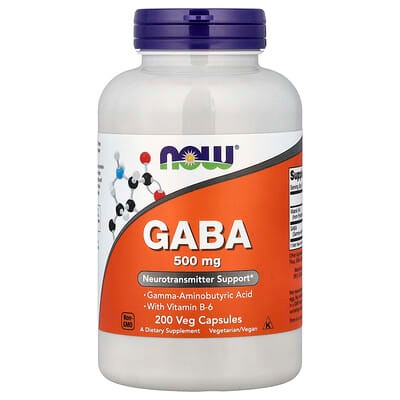
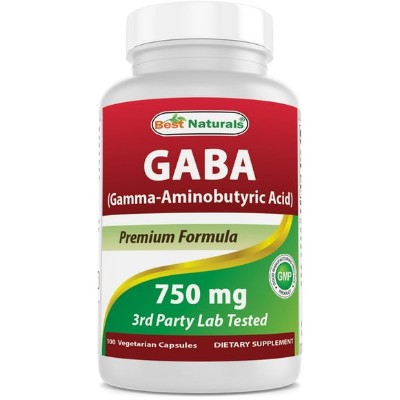
GABA

notesDescription

GABA (gamma-aminobutyric acid) is an amino acid that functions as the principal inhibitory neurotransmitter in the brain, meaning it reduces the activity of nerve cells. This inhibitory action helps to balance brain activity, preventing overstimulation and promoting a sense of calm. It is naturally produced in the brain from glutamic acid. As a dietary supplement, GABA is commonly taken to support relaxation, reduce feelings of stress and anxiety, and improve sleep quality. While some debate exists on its ability to cross the blood-brain barrier effectively when supplemented orally, many users report subjective benefits related to calmness and sleep. The mechanism of action for supplemental GABA is thought to involve interaction with GABA receptors, either directly or indirectly, potentially through the enteric nervous system or by influencing vagal nerve activity. It is often sought by individuals looking for natural support for mental tranquility and restful sleep.

ecoSources
Fermented foods (e.g., kimchi, yogurt, tempeh)Certain teas (e.g., green tea, black tea)Some fruits and vegetables (e.g., tomatoes, spinach, broccoli, sweet potatoes)Grains (e.g., rice, barley, oats)
Cheapest GABA supplements
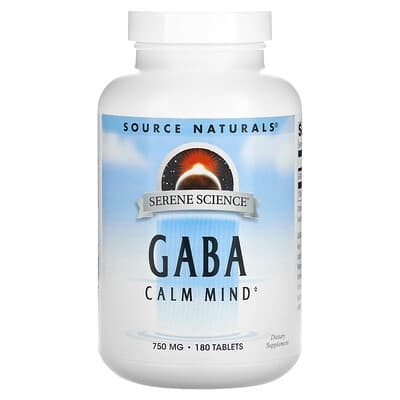
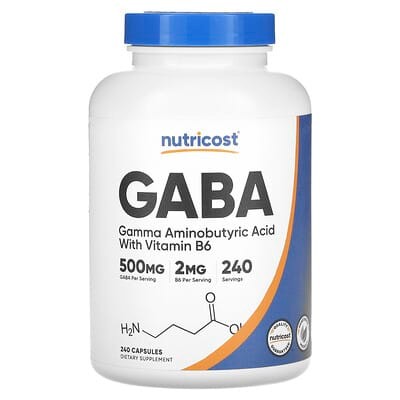
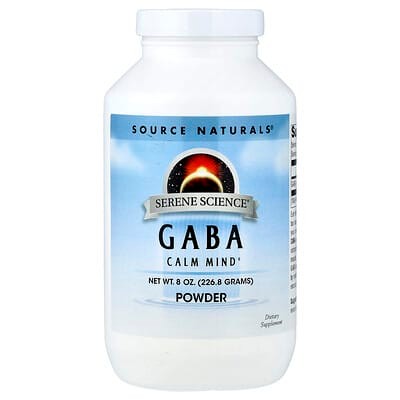
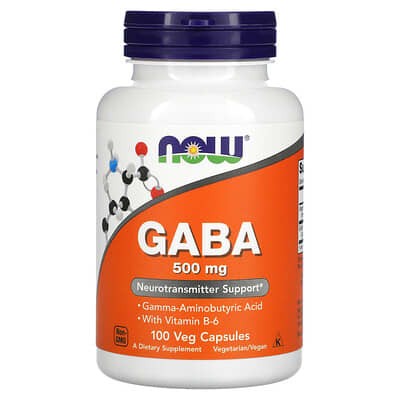
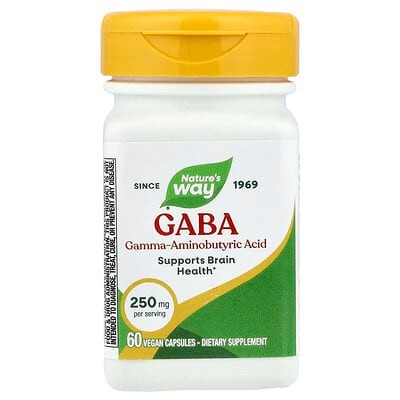
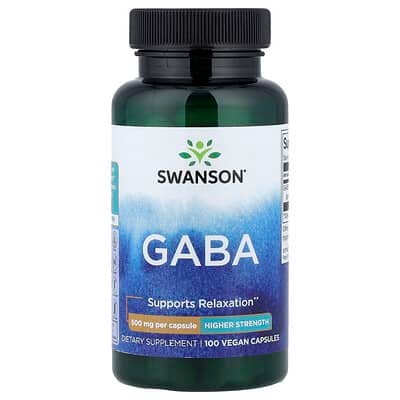
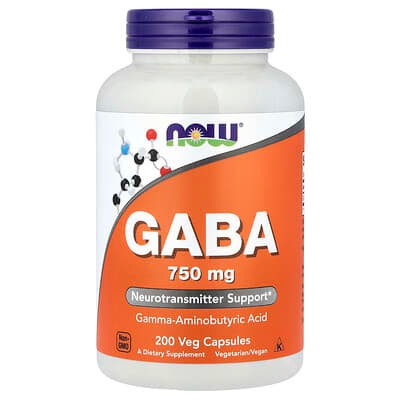
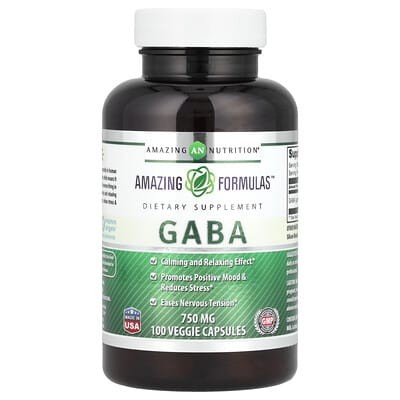
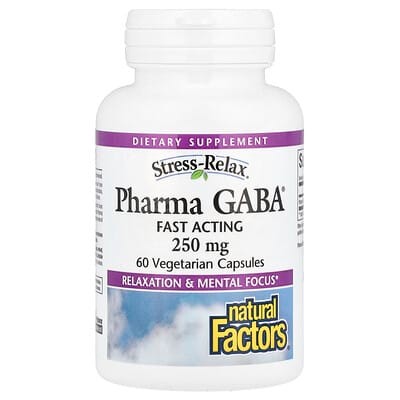
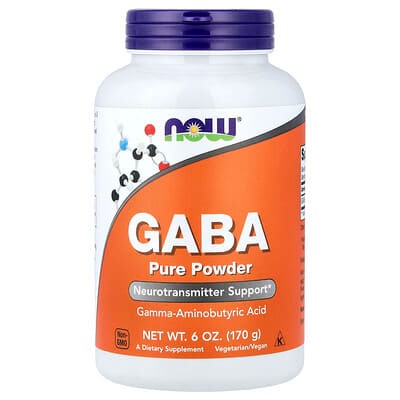
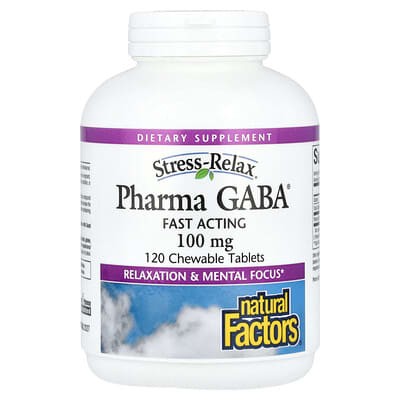
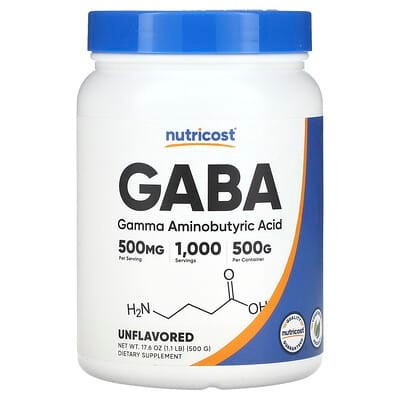
Discover and compare the cheapest GABA supplements designed to support stress relief, sleep, and mood.
Best GABA supplements
Discover the best GABA supplements for natural stress relief, improved sleep, and enhanced mood support, helping you find the perfect non-nutrient, non-botanical option for your wellness goals.
Value GABA supplements
Discover value-packed GABA supplements to support stress relief, better sleep, and improved mood, helping you find the right option for your well-being needs.
check_circleOptimal Dosage
Minimum100 mg
Maximum300 mg
report_problemSafety & Toxicity
Toxicity Threshold500 mg
Toxicity EffectDrowsiness, impaired coordination
track_changesGoals
Stress Relief
self_improvementStress Relief
Impact
High effect
Typical dose:100–750 mg
Supplementing with GABA can promote rapid feelings of relaxation and calm by reducing neuronal excitability. While its ability to cross the blood-brain barrier is debated, many users report a tangible felt effect in reducing acute feelings of anxiety and physical tension, likely through its influence on the enteric nervous system.
View goal →
Mood Support
sentiment_satisfied_altMood Support
Impact
Limited evidence
Typical dose:100–750 mg
While GABA is the brain's primary inhibitory neurotransmitter, supplemental GABA struggles to pass from the bloodstream into the brain. Any perceived calming effects are likely mediated by the enteric nervous system in the gut rather than direct central nervous system activity.
View goal →
Sleep Support
bedtimeSleep Support
Impact
Limited evidence
Typical dose:100–750 mg
GABA is the brain's primary inhibitory neurotransmitter, crucial for calming neural activity. However, when taken as a supplement, its molecular structure significantly limits its ability to cross the blood-brain barrier. Any perceived calming effects may be attributable to its action on the enteric nervous system or a placebo response, rather than a direct central nervous system effect.
View goal →
sync_altInteractions

add_circle_outlinePositive Interactions

add_circle
Melatonin
Both support sleep and relaxation; combining them may enhance sedative effects.
add_circle
Theanine
Both promote relaxation and calm, potentially offering synergistic calming effects.
add_circle
Magnesium
Magnesium is a cofactor for enzymes involved in GABA synthesis and can enhance GABA's effects.
add_circle
Vitamin B6
Vitamin B6 is essential for the enzymatic conversion of glutamate to GABA in the brain.
add_circle
Taurine
Taurine can act on GABA receptors and enhance GABAergic activity, promoting relaxation.
add_circle
Valerian
Valerian is traditionally used for relaxation and sleep, partly by influencing GABA pathways.
add_circle
Ashwagandha
Both are adaptogens that promote relaxation and reduce stress, potentially enhancing overall calming effects.
add_circle
Glutamine
Glutamine is a precursor to glutamate, which is then converted to GABA, potentially supporting GABA production.

remove_circle_outlineNegative Interactions

remove_circle
Caffeine
Caffeine is a stimulant that can counteract the relaxing and sedative effects of GABA.
remove_circle
St. John's Wort
St. John's Wort can affect neurotransmitter systems and might have unpredictable interactions with GABA, potentially altering its efficacy or side effects.
remove_circle
Guarana
Contains caffeine and other stimulants, which would directly oppose the relaxing effects of GABA.
remove_circle
Rhodiola
An adaptogen often used for energy and focus, which could potentially diminish the sedative effects of GABA if taken for relaxation.
remove_circle
Eleuthero
May counteract GABA's sedative properties due to its energizing and adaptogenic effects.
analyticsProduct stats
sellPrice per product
Average$21.01
Median$18.83
restaurantPrice per serving
Average$0.50
Median$0.53
bar_chartPrice distribution
bar_chartPrice per serving distribution
bar_chartPrice per
bar_chartPaired ingredients

SuppHelper

Compare supplements smarter. Science-backed, user-rated, updated daily.

Explore

  • Compare Supplements
  • Health Goals
  • Stacks

Legal

  • Privacy Policy
  • Terms of Use
  • Medical Disclaimer

Stay in the Loop

Medical disclaimer: Information on SuppHelper is for educational purposes only and is not medical advice. Statements on this site about dietary supplements have not been evaluated by the Food and Drug Administration. Dietary supplements are not intended to diagnose, treat, cure, or prevent any disease. Always consult a qualified healthcare professional before using supplements. Read full disclaimer

© 2025 SuppHelper. All rights reserved.