
Nutrient quality
The broad ingredient set addresses several digestive pathways. Modest caprylic acid, missing probiotic and enzyme potency measures, and multiple low-dose botanicals limit effective dose confidence.
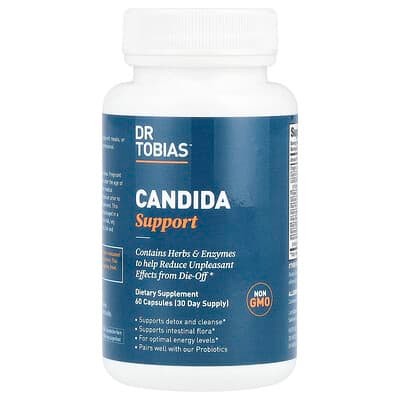
 iHerb iHerb | $ 26.02 |
The formula takes a broad digestive approach, combining 500 mg of oregano extract and 400 mg of caprylic acid with a probiotic, enzymes, aloe, and arabinogalactan. Those ingredients may contribute to microbial balance, food breakdown, soothing, and prebiotic support, but they do not establish a medical benefit.
The acidophilus entry is measured only by weight rather than live-organism count, and neither protease nor cellulase is given in activity units. Aloe lacks an extract ratio, polysaccharide standardization, and confirmation of aloin removal, while a malformed magnesium-caprylate line further weakens label clarity.
Most of the supporting herbs are present at 50 mg or less, so the formula has breadth without consistent dose depth. It best fits adults who want a multi-pathway digestive blend and tolerate concentrated botanicals, provided the wormwood and oregano cautions fit their situation.
The broad ingredient set addresses several digestive pathways. Modest caprylic acid, missing probiotic and enzyme potency measures, and multiple low-dose botanicals limit effective dose confidence.
Most ingredients have stated weights and no proprietary blend hides them. A blank caprylate entry, missing probiotic and enzyme potency measures, and absent inactive ingredients leave important gaps.
The supplied satisfaction average is strong and supported by a large response volume. No comment-level evidence was provided, so recurring complaints and purpose-specific experiences remain uncertain.
The serving cost is high for a formula with several uncertain potency measures. Broad pathway coverage adds some value, but weak dose verification and low-dose extras limit the practical return.

Oregano, caprylic acid, acidophilus, digestive enzymes, aloe, and arabinogalactan cover microbial balance, food breakdown, soothing, and prebiotic support. The formula is directly relevant but relies on several ingredients with incomplete potency details.
Caprylic acid is below a fuller target, the probiotic lacks strain counts, and enzymes lack activity units. Concentrated oregano and wormwood may irritate a sensitive gut, and wormwood is inappropriate during pregnancy.
No linked studies yet.
| Ingredient | Amount per serving |
|---|---|
Oregano leaf extract | 500 mg |
Caprylic Acid | 400 mg |
L. acidophilus | 100 mg |
Protease | 50 mg |
Cellulase | 32 mg |
Aloe vera leaf gel extract | 50 mg |
Arabinogalactan | 50 mg |
Anise seed extract | 50 mg |
Black Walnut hulls powder | 50 mg |
Wormwood leaf powder | 50 mg |
Reishi Mushroom 4:1 extract | 25 mg |
The leaf gel extract is clearly dosed and delivered conveniently, but purification and aloin removal are not confirmed. Its amount is meaningful for an extract, though no ratio or polysaccharide standardization is given. Value is moderate for the aloe delivered.
The label clearly identifies 400 mg of caprylic acid as magnesium caprylate, a form often used for digestive tolerance. The dose falls below the collection target, and the high cost per active amount limits its value. Concentrated oregano and wormwood may irritate the digestive tract, and wormwood is not appropriate during pregnancy.
Published studies used for the product analysis and the top-ranked studies for each ingredient and goal.