
Nutrient quality
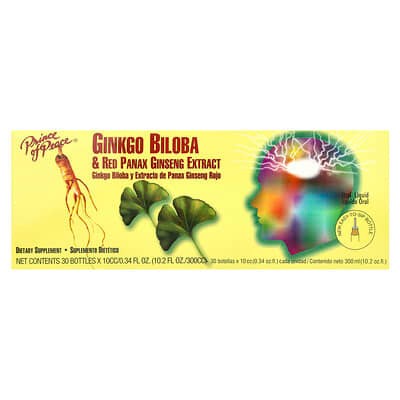
Ginkgo and red ginseng form a plausible botanical pairing. Low ginkgo potency, absent standardization, and token vitamin A make the formula weak for focused use.
 iHerb iHerb | $ 23.48 | |
 Pure Formulas Pure Formulas | $ 18.79 | |
 Amazon Amazon | $ 18.50 | |
 Vitacost Vitacost | $ 20.65 |
The liquid combines ginkgo and Panax ginseng in clearly stated amounts. Their circulation-oriented roles may be relevant in a broad sense, but neither substitutes for core eye nutrients.
The ginkgo amount is below the usual range for a standardized extract, and no flavone, terpene, or ginkgolic-acid limits are given. Vitamin A is present only at a trace amount with no identified form.
The bottled serving contains sugar and carbohydrate without an oil base to support vitamin A absorption. It lacks lutein, zeaxanthin, zinc, vitamin E, and structural lipids for broader vision nutrition.
Ginkgo and red ginseng form a plausible botanical pairing. Low ginkgo potency, absent standardization, and token vitamin A make the formula weak for focused use.
All active amounts are stated without a proprietary blend. Botanical marker specifications, vitamin A form, directions, and non-active liquid ingredients remain missing.
The supplied satisfaction metric is strong and response volume is large. Specific firsthand feedback was not supplied, so recurring complaints and purpose alignment remain uncertain.
The modest botanical amounts do not support the high serving cost well. Standardized ginkgo products offer stronger category value and clearer potency.
| Ingredient | Amount per serving |
|---|---|
Calories | 25 {Calories} |
Total Carbohydrates | 6 Gram(s) |
Dietary Fiber | 1 Gram(s) |
Sugar | 4 Gram(s) |
Vitamin A | 108 IU |
Calcium | 22 mg |
Ginkgo biloba (leaf) extract | 48 mg |
Red Panax ginseng (root) extract | 100 mg |
The 48 mg leaf extract falls below the usual daily range for standardized ginkgo. No active-marker percentages or ginkgolic acid limit are provided, leaving potency and purity uncertain. The disclosed amount is easy to verify, but the low, unstandardized dose offers weak value for this use.
The serving contains only a trace amount of vitamin A and does not identify its chemical form. A sweetened bottled liquid without an oil base offers no dependable absorption advantage. The tiny amount creates very poor standardized value for vitamin A.
Published studies used for the product analysis and the top-ranked studies for each ingredient and goal.