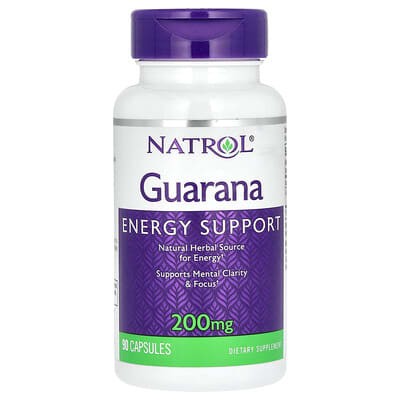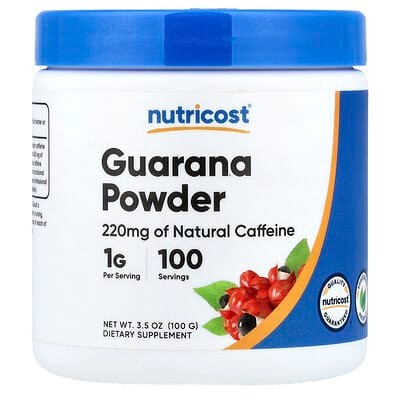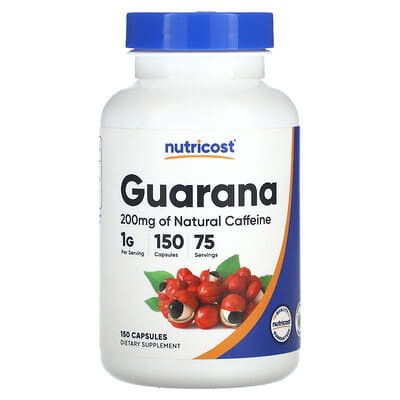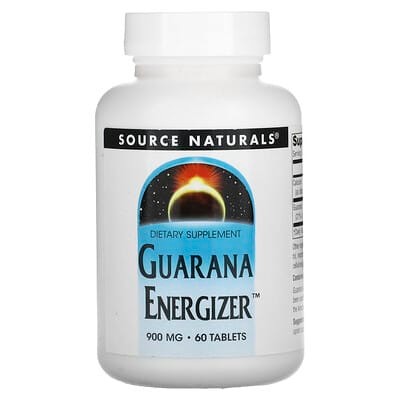
Guarana

botanical

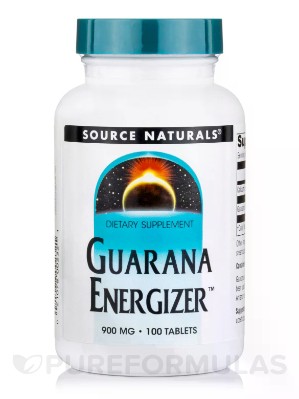
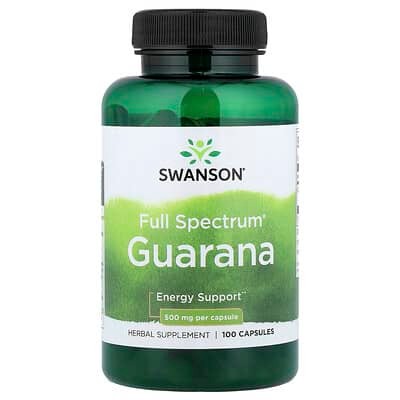
Guarana (Paullinia cupana) originates from the Amazon basin. Its seeds contain stimulants like caffeine, theobromine, and theophylline, alongside antioxidants such as tannins, saponins, and flavonoids. These components contribute to its role in supporting central nervous system activity, making it a common ingredient in energy drinks, supplements, and herbal remedies. Indigenous Amazonian tribes have traditionally used these seeds to manage fatigue, suppress appetite, and maintain focus during long hunts. Modern use follows these traditions, often focusing on physical endurance, mental clarity, and weight management through its stimulating effects on metabolism. The high tannin content is believed to modulate the release of caffeine, which may result in a more sustained energy boost and fewer jitters compared to synthetic stimulants. This slower, prolonged stimulation helps to maintain concentration over extended periods for those seeking lasting cognitive and physical support.

Natural sources
Seeds of the Guarana plant (Paullinia cupana)

Ingredient forms

No public comparison lists found.

Timing & Intake
MorningWith foodAvoid before bedTake with Food or a meal to minimize potential stomach upset.
Taking this in the morning or early afternoon may help avoid sleep disruption. Avoid late-day use because of its stimulating properties.
Optimal Dosage
Minimum200 mg
Maximum800 mg
Safety & Toxicity
5 safety notes
  • Individuals sensitive to caffeine should use with caution or avoid.
  • Pregnant or nursing women should avoid due to caffeine content.
  • Not recommended for children.
  • Individuals with heart conditions, high blood pressure, anxiety disorders, or sleep disorders should consult a healthcare professional before use.
  • Do not exceed recommended dosages to avoid adverse effects related to excessive stimulant intake.
Goals
Cognitive Support
Impact
High effect
Typical dose:200–800 mg
Guarana is a potent natural source of caffeine, which acts as a central nervous system stimulant to increase alertness, reduce fatigue, and sharpen focus. Its effects are felt acutely, making it effective for short-term cognitive enhancement.

Study evidence

11 studies

Guarana may slightly speed responses during cognitive tasks, but it has not consistently improved accuracy or overall cognitive performance. Evidence for lasting memory benefits is limited, and it remains unclear whether any advantage comes from guarana itself or its caffeine content.

View goal

Energy
Impact
High effect
Typical dose:200–800 mg
Guarana seeds contain a high concentration of caffeine, along with other alkaloids like theobromine. The complex of compounds can lead to a slightly slower release and more sustained energy boost compared to pure caffeine, making it a popular ingredient in energy drinks and supplements.

Study evidence

8 studies

Guarana may improve alertness or reduce mental fatigue in some settings, but the evidence does not show a reliable general energy boost. Cancer-related fatigue findings are mixed, and favorable results from products containing vitamins and minerals cannot establish guarana's independent effect.

View goal

Studies

Research connections will load here.
Interactions
Sources

Up to five highest-ranked published examples per goal. Study counts and charts include all published studies for the connection.

  1. Cognitive effects of guarana supplementation with maximal intensity cycling.
    Gurney T; Bradley N; Izquierdo D; Ronca F · The British journal of nutrition · 2023
    Randomized trial25 participantsCognitive Support
  2. Cognitive Performance Enhancement Induced by Caffeine, Carbohydrate and Guarana Mouth Rinsing during Submaximal Exercise.
    Pomportes L; Brisswalter J; Casini L; Hays A; Davranche K · Nutrients · 2018
    Randomized trial24 participantsCognitive Support
  3. Improved cognitive performance in human volunteers following administration of guarana (Paullinia cupana) extract: comparison and interaction with Panax ginseng.
    Kennedy DO; Haskell CF; Wesnes KA; Scholey AB · Pharmacology, biochemistry, and behavior · 2005
    Non-randomized trial28 participantsCognitive Support
  4. The effect of plant active substances on cognitive function in healthy older adults: a systematic review and network meta-analysis of randomized controlled trials.
    Feng X; Fan S; Wei F · Frontiers in pharmacology · 2026
    Meta-analysis1,861 participants25 studies pooledCognitive Support
  5. Effect of Guarana (Paullinia cupana) on Cognitive Performance: A Systematic Review and Meta-Analysis.
    Hack B; Penna EM; Talik T; Chandrashekhar R; Millard-Stafford M · Nutrients · 2023
    Meta-analysis328 participants8 studies pooledCognitive Support
  6. Dietary supplements and fatigue in patients with breast cancer: a systematic review.
    Pereira PTVT; Reis AD; Diniz RR; Lima FA; Leite RD; da Silva MCP; Guerra RNM; de Moraes Vieira ÉB; Garcia JBS · Breast cancer research and treatment · 2019
    Systematic review932 participants8 studies pooledEnergy
  7. Purified dry extract of Paullinia cupana (guaraná) (PC-18) for chemotherapy-related fatigue in patients with solid tumors: an early discontinuation study.
    del Giglio AB; Cubero Dde I; Lerner TG; Guariento RT; de Azevedo RG; Paiva H; Goldman C; Carelli B; Cruz FM; Schindler F; Pianowski L; de Matos LL; del Giglio A · Journal of dietary supplements · 2014
    Randomized trial40 participantsEnergy
  8. Placebo-Controlled, Double-Blind, Randomized Study of a Dry Guarana Extract in Patients with Head and Neck Tumors Undergoing Chemoradiotherapy: Effects on Fatigue and Quality of Life.
    Martins SPDS; Ferreira CL; Del Giglio A · Journal of dietary supplements · 2019
    Randomized trial60 participantsEnergy
  9. Effects of Acute Guarana (Paullinia cupana) Ingestion on Mental Performance and Vagal Modulation Compared to a Low Dose of Caffeine.
    Talik TN; Penna EM; Hack BP; Harp A; Millard-Stafford M · Nutrients · 2024
    Randomized trial20 participantsEnergy
  10. Effectiveness of guaraná (Paullinia cupana) for postradiation fatigue and depression: results of a pilot double-blind randomized study.
    da Costa Miranda V; Trufelli DC; Santos J; Campos MP; Nobuo M; da Costa Miranda M; Schlinder F; Riechelmann R; del Giglio A · Journal of alternative and complementary medicine (New York, N.Y.) · 2009
    Randomized trial36 participantsEnergy