Valerian
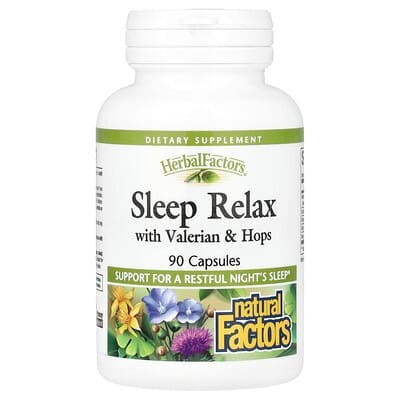
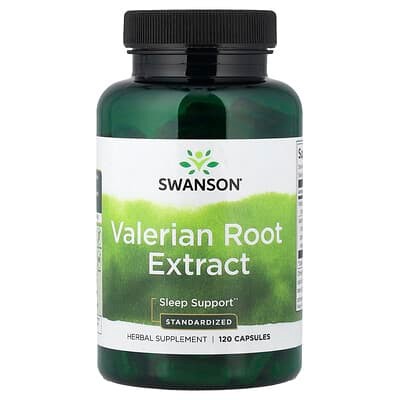
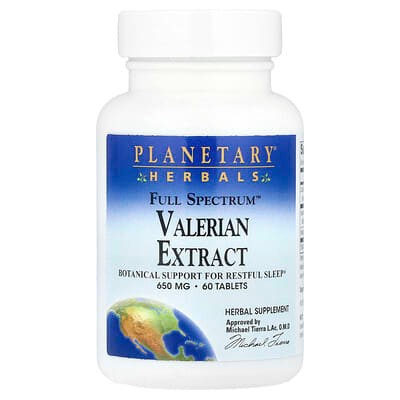
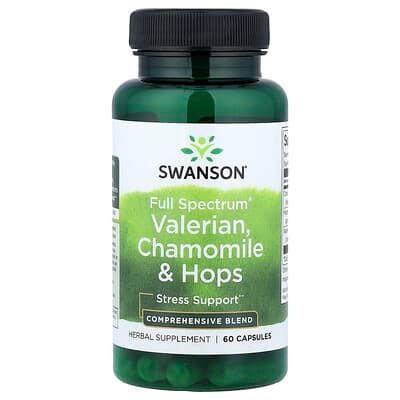
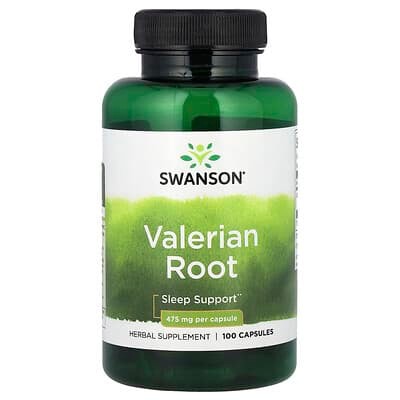
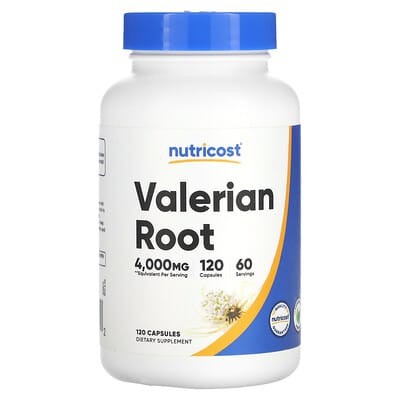
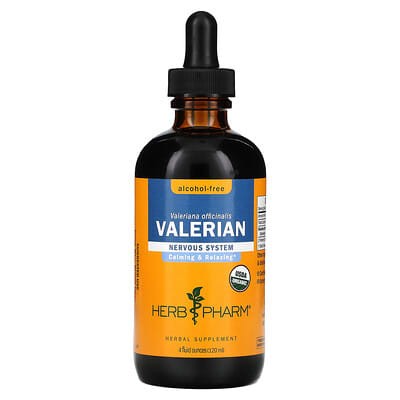
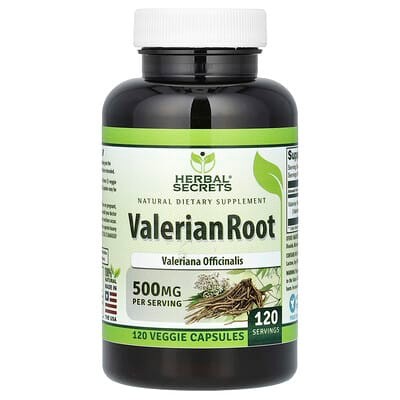
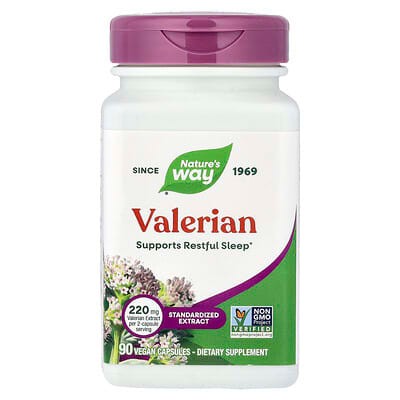
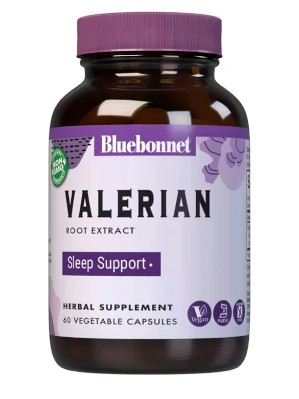
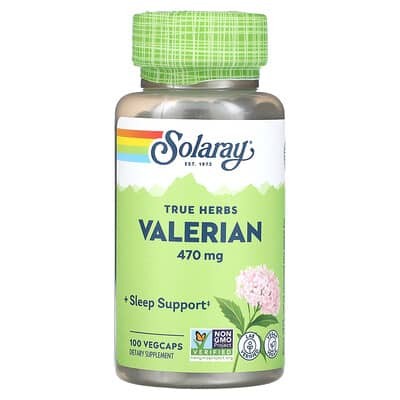
Valerian is a perennial flowering plant native to Europe and Asia, whose roots have been utilized for centuries as a traditional herbal remedy. It is predominantly known for its mild sedative effects, making it a popular natural choice for individuals seeking to enhance sleep onset and duration, as well as manage occasional feelings of nervousness or mild stress. The therapeutic actions of Valerian are believed to stem from its diverse array of bioactive compounds, including valerenic acid, iridoids (like valepotriates), and various flavonoids. These constituents are thought to interact with gamma-aminobutyric acid (GABA) receptors in the brain, a key neurotransmitter that helps to regulate nerve impulses. This interaction facilitates a calming effect on the central nervous system, often compared to the action of some conventional anxiolytic medications but typically with a milder impact. Historically, Valerian was applied to a range of conditions, from insomnia to digestive discomfort. In contemporary practice, its primary applications are centered on its anxiolytic (anxiety-reducing) and hypnotic (sleep-inducing) properties. It is frequently employed as a sleep aid or to mitigate symptoms of daily stress, contributing to overall mental relaxation without commonly leading to residual drowsiness upon waking when used as directed.


Positive Interactions
Negative Interactions
- Represents a standardized active complex for Valerian extracts
- Well-recognized markers for product quality and potency
- Associated with the main pharmacological effects of Valerian
- Focuses only on one class of compounds, potentially overlooking other beneficial constituents in whole Valerian
- Specific individual roles of each valerenic acid are still being researched
- Represents a standardized active complex for Valerian extracts
- Well-recognized markers for product quality and potency
- Associated with the main pharmacological effects of Valerian
- Focuses only on one class of compounds, potentially overlooking other beneficial constituents in whole Valerian
- Specific individual roles of each valerenic acid are still being researched
- Contributes to the characteristic aroma of Valerian, a traditional marker
- May have some minor synergistic effects within the whole plant extract
- Not considered a primary active compound for Valerian's sedative or anxiolytic effects
- Its direct therapeutic impact is less understood compared to valerenic acids
- Responsible for the unpleasant odor sometimes associated with Valerian