
Nutrient quality
Natural vitamin E and calcium caprylate are useful forms, while the botanical extracts lack potency markers. Moderate caprylic acid and a narrow antimicrobial focus limit digestive depth.
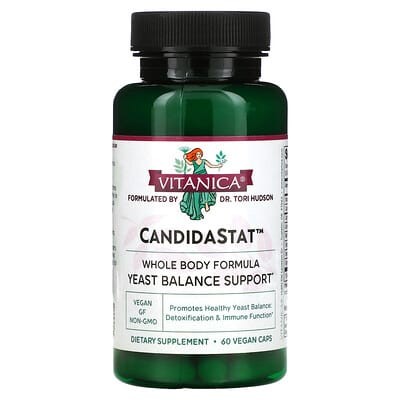
 Vitacost Vitacost | $ 20.95 | |
 iHerb iHerb | $ 20.95 |
Caprylic acid delivered as calcium caprylate gives the formula a clear gut-focused anchor. Garlic and Oregon grape add related botanical pathways, while vitamin E and milk thistle broaden antioxidant support.
Several blank ingredient names and null amounts make the supplied label difficult to trust, even though the main active weights are visible. Milk thistle has no silymarin percentage, and the repeated Oregon grape entries are not explained.
The blend is aimed at targeted microbial-balance use rather than everyday digestive maintenance. It lacks fiber, probiotics, enzymes, and mucosal-support nutrients, so users with broad digestive goals may find it incomplete.
Natural vitamin E and calcium caprylate are useful forms, while the botanical extracts lack potency markers. Moderate caprylic acid and a narrow antimicrobial focus limit digestive depth.
Most active weights can be identified and no proprietary blend is used. Blank ingredient names, null amounts, duplicate entries, and missing inactive ingredients reduce label clarity.
The aggregate rating is strong and supported by a useful feedback volume. No detailed comments are supplied to show repeated benefits or complaints.
The focused ingredient theme partly supports the serving cost. Label defects, moderate dosing, and weak botanical standardization reduce category value.
| Ingredient | Amount per serving |
|---|---|
Vitamin E | 50 IU |
Calcium | 52 mg |
Caprylic Acid | 350 mg |
Garlic bulb extract | 250 mg |
Milk thistle seed extract | 140 mg |
Oregon grape root extract | 100 mg |
Oregon Grape | 100 mg |
Grapefruit seed extract | 20 mg |
The natural succinate form provides good biological activity and clear source identification. Its maintenance dose is useful within a broader botanical formula, though no mixed tocopherols or tocotrienols are included. Value is fair for a natural form but sits above the collection median.
Caprylic acid is clearly identified and delivered as calcium caprylate, a mineral form that may be easier to tolerate for gut-focused use. The disclosed amount is moderate and would require more than one serving to reach the target range. Separate calcium and caprylic acid amounts improve clarity, but the source material is undisclosed and the cost per active dose is high.
Seed-derived milk thistle extract uses the preferred plant part, but the label does not disclose its silymarin standardization or active-marker amount. The conventional dry capsule has no named technology to address silymarin's limited absorption. A higher serving cost is difficult to justify when both active potency and enhanced delivery remain unconfirmed.