
Nutrient quality
Several enzymes and bile have meaningful weights and fit digestive use well. Missing biological activity, probiotic counts, and some source details prevent reliable potency comparison.
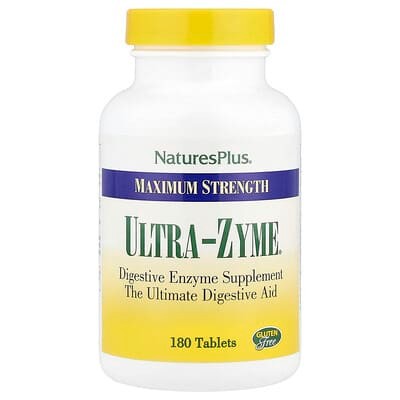
 Pure Formulas Pure Formulas | $ 37.36 | |
 iHerb iHerb | $ 37.36 | |
 Amazon Amazon | $ 37.36 | |
 Vitacost Vitacost | $ 37.36 |
Two tablets provide pancreatin, ox bile, pepsin, bromelain, papain, cellulase, hemicellulase, and lactase. The blend covers protein, fat, and carbohydrate digestion more broadly than a single-enzyme product.
Bromelain and papain have useful listed weights, but no activity units are provided and tablet delivery offers no enteric protection. Three acidophilus entries are reported only by weight rather than viable organism count, so probiotic value cannot be established.
The bottle supplies 90 servings and requires two tablets with each use. the serving cost is moderate, but animal-derived pancreatin and ox bile narrow dietary suitability.
Several enzymes and bile have meaningful weights and fit digestive use well. Missing biological activity, probiotic counts, and some source details prevent reliable potency comparison.
Listed active ingredients have specific weights and no proprietary blend hides their doses. Complete use directions and a full other-ingredients list are not included in the supplied facts.
The supplied average rating is strong, and review volume provides a stable broad signal. No detailed comments are provided to assess repeated complaints or whether experiences match the intended use.
Useful core ingredients provide fair value, but formula limitations reduce competitiveness. Incomplete form, activity, or use details remain the main value trade-off.
| Ingredient | Amount per serving |
|---|---|
Pancreatin 4x | 325 mg |
Glutamic Acid | 200 mg |
Acidophilus (Bifidus, Bulgaricus, Lactobacillus acidophilus) | 150 mg |
Ox Bile | 120 mg |
Bromelain (Pineapple) | 100 mg |
Pepsin | 65 mg |
Papain | 65 mg |
Cellulase | 20 mg |
Betaine HCl | 5 mg |
Hemicellulase | 5 mg |
Lactase | 5 mg |
The disclosed glutamic acid amount is substantial, but the label does not confirm the biologically preferred L-form. Its standard form is usable in a digestive blend, though a hydrochloride form would fit that role better. The serving cost remains reasonably close to the collection norm.
The formula names papain but omits its source and activity units, leaving potency only partly defined. The serving amount is suitable for standard protein-digestion support. Cost per serving is moderate but less efficient than lower-cost options. Papain may trigger a reaction in people with papaya or latex allergy.
100 mg supplies a meaningful amount within a multi-ingredient formula. Missing enzyme activity units prevent a reliable judgment of true proteolytic potency. The delivery format broadly fits digestive use, but absent timing directions and weak cost efficiency limit confidence.