SuppHelper
search

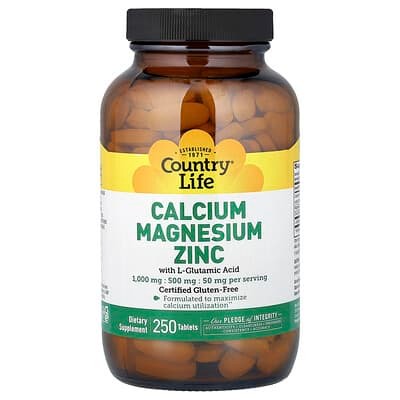
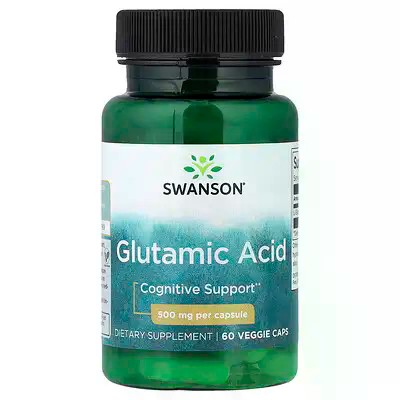
Glutamic Acid

notesDescription

Glutamic acid is a naturally occurring non-essential amino acid, meaning the human body can synthesize it. It plays a crucial role in various metabolic processes, most notably as the principal excitatory neurotransmitter in the central nervous system. It is extensively involved in cognitive functions such as learning, memory formation, and synaptic plasticity. Beyond its direct role as a neurotransmitter, glutamic acid is a critical precursor for other vital compounds. It is converted into gamma-aminobutyric acid (GABA), which is the primary inhibitory neurotransmitter, helping to balance excitatory signals. Furthermore, it is one of the three amino acids (along with cysteine and glycine) that are required for the synthesis of glutathione, a powerful endogenous antioxidant. Its multifaceted involvement in neurotransmission, cellular detoxification pathways via glutathione, and general protein synthesis highlights its broad importance for overall physiological health. Glutamic acid particularly contributes to maintaining optimal brain health, supporting cognitive function, and providing cellular protection against oxidative stress.

ecoSources
MeatPoultryFishEggsDairy products (e.g., cheese)NutsLegumesMushroomsTomatoesSoy products
Cheapest Glutamic Acid Supplements
Discover the most affordable glutamic acid supplements for detoxification, comparing options to help you achieve your wellness goals without breaking the bank.
Best Glutamic Acid Supplements
Compare the best Glutamic Acid supplements to support detoxification and overall health.
Value Glutamic Acid supplements
Compare top value Glutamic Acid supplements for effective detoxification support.
check_circleOptimal Dosage
Minimum1000 mg
Maximum3000 mg
report_problemSafety & Toxicity
track_changesGoals
Detoxification
scienceDetoxification
Impact
Lower effect
Typical dose:250–1000 mg
While glutamic acid is a building block for glutathione, the availability of cysteine is the rate-limiting factor in its production. The body can typically synthesize sufficient glutamic acid, making supplementation with L-Cysteine (NAC) and Glycine a much more effective strategy for boosting glutathione levels.
View goal →
sync_altInteractions

add_circle_outlinePositive Interactions

add_circle
Gluthathione
Glutamic acid is a direct precursor for the synthesis of glutathione, enhancing the body's antioxidant capacity.
add_circle
Glutathione
Glutamic acid is a direct precursor for the synthesis of glutathione, enhancing the body's antioxidant capacity.
add_circle
Cysteine
Cysteine works synergistically with glutamic acid and glycine as key amino acids for the synthesis of glutathione.
add_circle
Glycine
Glycine works synergistically with glutamic acid and cysteine as key amino acids for the synthesis of glutathione.
add_circle
Vitamin B6
Vitamin B6 is an essential cofactor for the enzyme that converts glutamic acid into GABA, thus supporting GABA production.
add_circle
GABA
Glutamic acid is directly converted into GABA, the primary inhibitory neurotransmitter, contributing to neurotransmitter balance.
analyticsProduct stats
sellPrice per product
Average$26.78
Median$22.14
restaurantPrice per serving
Average$0.58
Median$0.41
sciencePrice per 10 mg
Average$0.19
Median$0.08
bar_chartPrice distribution
bar_chartPrice per serving distribution
bar_chartPrice per 10 mg
Reference amount: 10 mg
categoryForms
bar_chartPaired ingredients
water_dropIngredient forms
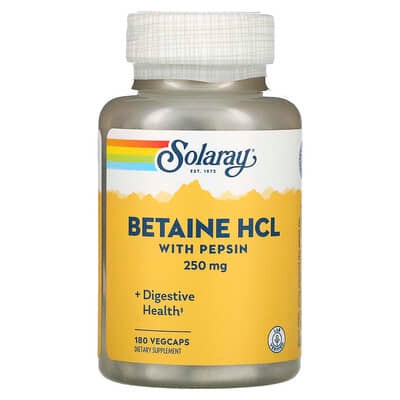
category Glutamic Acid Hydrochloride (4) 60
Glutamic Acid Hydrochloride is a compound that provides both glutamic acid, a non-essential amino acid, and hydrochloric acid (HCl). It is commonly utilized as a digestive aid to increase stomach acidity, particularly for individuals with hypochlorhydria (low stomach acid). By restoring optimal stomach pH, it can improve protein digestion, enhance the absorption of certain minerals like iron and calcium, and support overall nutrient assimilation. As glutamic acid, it also serves as a precursor to other amino acids and neurotransmitters, contributing to general metabolic health.
thumb_upPros
  • Can improve protein digestion and nutrient absorption, especially for individuals with low stomach acid.
  • May alleviate symptoms associated with hypochlorhydria, such as bloating and indigestion.
  • Provides glutamic acid, a vital amino acid for various metabolic functions.
  • Supports a healthy gut environment by maintaining proper stomach pH.
thumb_downCons
  • May cause stomach irritation, heartburn, or acid reflux in some individuals, particularly those with normal or high stomach acid.
  • Not suitable for individuals with ulcers, gastritis, or a history of stomach bleeding.
  • Potential for electrolyte imbalance if used in excessive doses.
  • Less direct impact on broad detoxification processes compared to other specialized agents.
sellPer product
Avg$21.00
Med$21.00
restaurantPer serving
Avg$0.23
Med$0.23
science Per 1 mg
Avg$0.05
Med$0.05
Price distribution

SuppHelper

Compare supplements smarter. Science-backed, user-rated, updated daily.

Explore

  • Compare Supplements
  • Health Goals
  • Stacks

Legal

  • Privacy Policy
  • Terms of Use
  • Medical Disclaimer

Stay in the Loop

Medical disclaimer: Information on SuppHelper is for educational purposes only and is not medical advice. Statements on this site about dietary supplements have not been evaluated by the Food and Drug Administration. Dietary supplements are not intended to diagnose, treat, cure, or prevent any disease. Always consult a qualified healthcare professional before using supplements. Read full disclaimer

© 2025 SuppHelper. All rights reserved.