
Nutrient quality
Polysaccharide labeling adds useful form detail, though no percentage or fruiting-body source is supplied. The mushroom ingredient is supplied at a practical amount, though potency depends on extract quality.
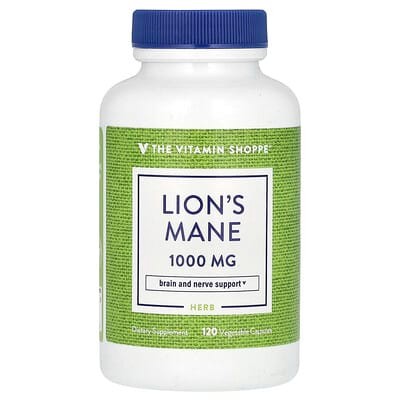
 iHerb iHerb | $ 39.99 |
A substantial daily amount of organic Hericium erinaceus supports focused, continued use. The larger capsule count is practical for users planning a longer trial.
The label names polysaccharides without giving their concentration. Fruiting-body status, extraction, substrate, and beta-glucan content are not provided.
Value is favorable for the disclosed weight, but weight alone does not establish active quality. A standardized extract would allow a more confident comparison.
Polysaccharide labeling adds useful form detail, though no percentage or fruiting-body source is supplied. The mushroom ingredient is supplied at a practical amount, though potency depends on extract quality.
A specific amount is supplied for the mushroom ingredient. No proprietary blend hides the active quantity.
The supplied aggregate rating metric is favorable, though it gives no specific experience details. The limited response count leaves considerable uncertainty.
Formula quality compares well with the cost. The serving cost is reasonable for the disclosed mushroom amount.

Organic lion’s mane provides a substantial daily amount with a direct neurotrophic and cognitive rationale. Human evidence is promising but still limited, and the label does not identify fruiting body, mycelium, or extraction method.
Polysaccharides are named without a percentage, so beta-glucan potency cannot be confirmed. The focused single-mushroom design avoids padding and offers useful depth if the raw material quality is sound.

Lion’s mane has plausible relevance to memory and mental clarity. The disclosed mushroom amount is substantial for a simple daily capsule.
The label does not identify fruiting body versus mycelium, extraction method, or beta-glucan percentage. Human cognitive evidence remains promising but limited and cannot establish a dependable acute productivity effect.

The single-mushroom formula has plausible relevance to long-term nerve and cognitive support. A substantial Lion's Mane amount is provided from an identified organic species.
The mushroom part, extraction method, beta-glucan level, and polysaccharide percentage are not disclosed. Those gaps make active potency and alignment with human research difficult to judge.

The 1,000 mg Lion's Mane serving may support longer-term cognitive resilience rather than immediate concentration. Human evidence for noticeable focus improvement remains limited and less consistent than evidence for caffeine.
The label does not identify fruiting body versus mycelium, extraction method, or a beta-glucan percentage. Those omissions make the active strength difficult to judge despite the substantial raw amount.
| Ingredient | Amount per serving |
|---|---|
organic Lion's Mane (Hericium erinaceaus) Mushroom (Polysaccharides) | 1000 mg |
The 1,000 mg daily serving provides a substantial Lion's Mane amount. The label does not identify the mushroom part or extraction method, and it names polysaccharides without a percentage. Its serving cost is competitive, but clearer source and beta-glucan disclosure would make potency easier to judge.
Published studies used for the product analysis and the top-ranked studies for each ingredient and goal.