

Nutrient quality
The algae source is identified, but species detail and active-marker standardization are incomplete. The algae amount reaches a practical daily range.
 iHerb iHerb | $ 9.19 | |
 Amazon Amazon | $ 0.00 | |
 Walmart Walmart | $ 9.19 | |
| iHerb | $ 8.69 | |
| iHerb | $ 9.19 |
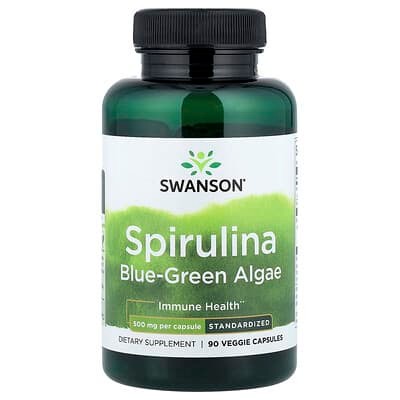
A 500 mg spirulina capsule offers a practical midrange amount with a simple daily routine. Vitamin A from beta-carotene and a small amount of vitamin K are disclosed, but spirulina remains the main reason to consider it.
The label states the active amount clearly and avoids hiding it in a blend. Species identity, phycocyanin content, organic status, and testing for microcystins or heavy metals are not supplied, leaving important source questions open.
The long serving count and low serving cost make ongoing use accessible. It suits buyers who value convenience and economy more than detailed sourcing and purity documentation.
The algae source is identified, but species detail and active-marker standardization are incomplete. The algae amount reaches a practical daily range.
The algae amount is clearly disclosed. Excipients and daily directions are absent from the supplied data, which leaves some label details uncertain.
The aggregate satisfaction average is strong, though no detailed feedback is supplied. The large volume provides a stable aggregate satisfaction signal.
A useful algae amount supports good formula value despite purity uncertainty. The serving cost is low for the disclosed amount.
| Ingredient | Amount per serving |
|---|---|
Vitamin A (Beta-Carotene, Spirulina) | 375 mcg RAE |
Vitamin K (Spirulina) | 4 mcg |
Spirulina | 500 mg |
The 500 mg spirulina amount provides a useful mid-range serving with clear dose disclosure. The label gives no organic claim, species name, or phycocyanin standardization, so source quality remains uncertain. No testing statement for microcystins or heavy metals is provided despite the low serving cost.