Lysine
Lysine is one of the nine essential amino acids vital for human health. It serves as a fundamental building block for proteins throughout the body, contributing to various physiological processes. Unlike non-essential amino acids, lysine cannot be synthesized by the body and must be acquired from dietary sources or supplementation to meet the body's requirements. Its functions are diverse, including supporting healthy growth and development, facilitating the absorption of calcium, and aiding in the formation of collagen, a crucial protein for bones, skin, tendons, and cartilage. Lysine is also involved in the production of enzymes, hormones, and antibodies, which are essential for immune function and overall physiological balance. Furthermore, lysine plays a role in energy production, fat metabolism, and may help maintain the integrity of blood vessels. It is particularly recognized for its potential to support the immune system and manage certain viral challenges, making it a valuable component of a healthy diet.


Positive Interactions
Super Lysine+ Immune Support
L-Lysine Advanced 1500 mg
Lysine 500 mg
Ortho C+ Lemon Flavor
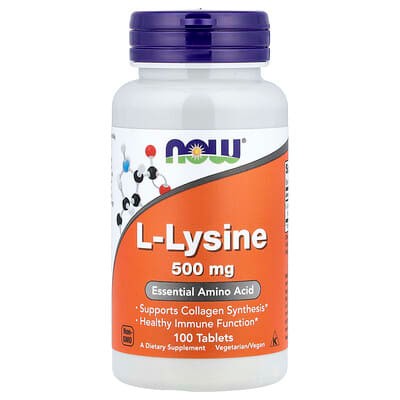
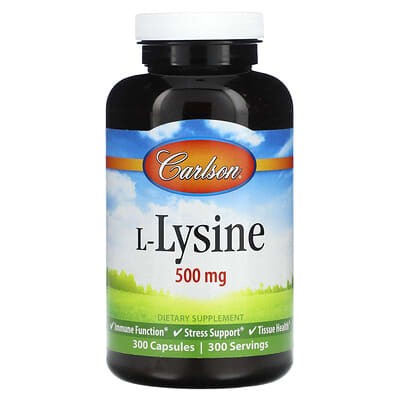
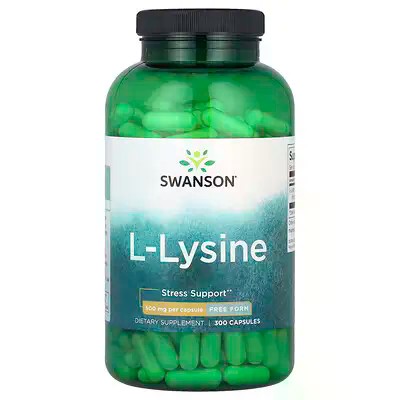
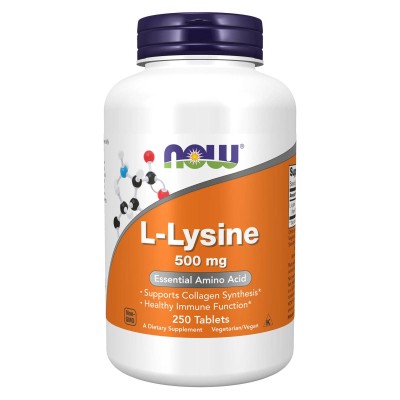
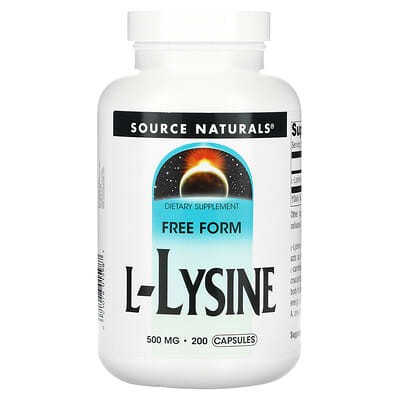
L-Lysine 500 mg
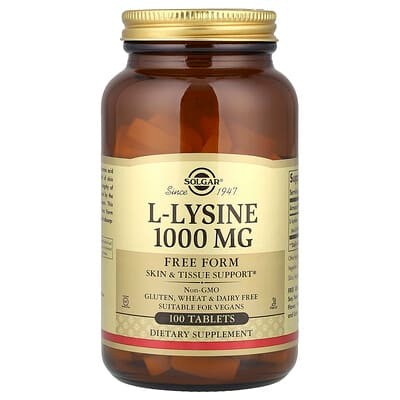
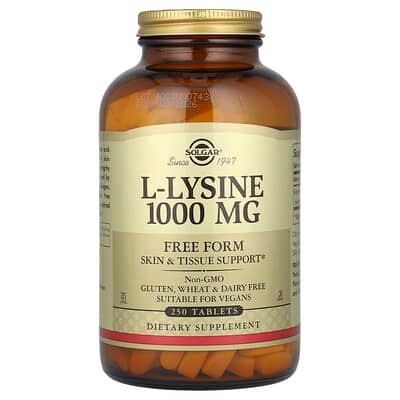
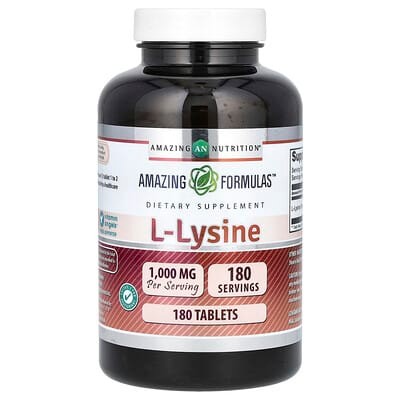
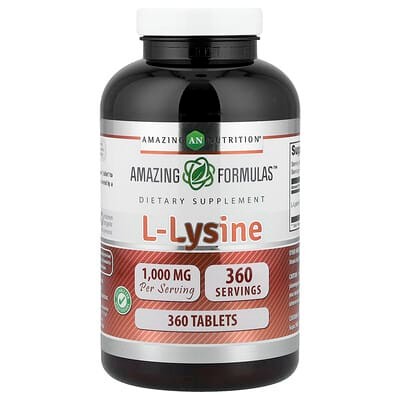
L-Lysine 1000 mg
L-Lysine 500 mg
L-Lysine 500 mg
L-Lysine
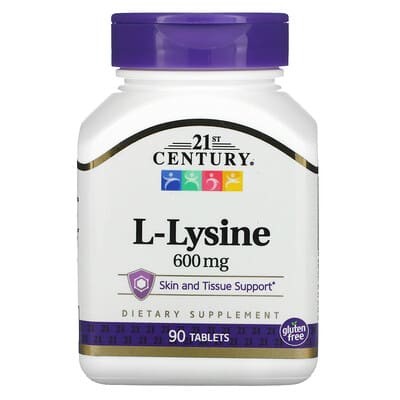
L-Lysine 600 mg
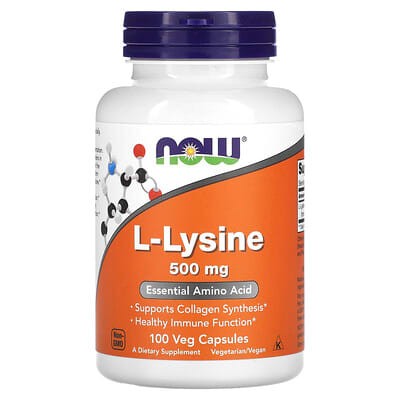
L-Lysine 500 mg
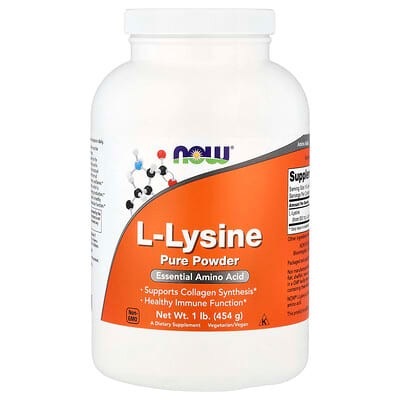
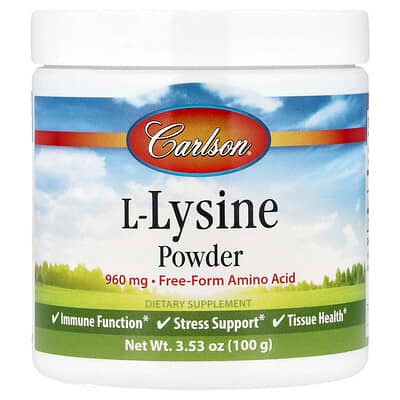
L-Lysine Powder 960 mg
L-Lysine 500 mg
L-Lysine 500 mg
L-Lysine 500 mg
L-Lysine 500 mg
L-Lysine
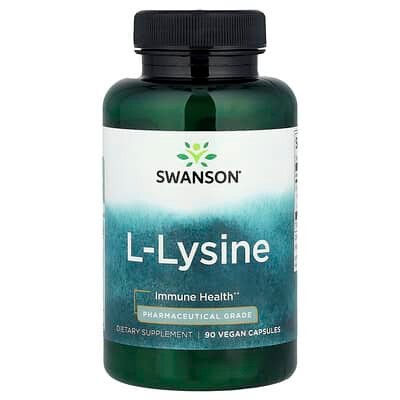
L-Lysine Pharmaceutical Grade
L-Lysine 1000 mg
L-Lysine 1000 mg
Lysine 500 mg
L-Lysine 500 mg
L-Lysine 1000 mg
- Highly stable and soluble
- Excellent bioavailability and absorption
- Widely available and well-researched
- Contains a small amount of chloride, generally not problematic but notable
- High stability and solubility
- Excellent bioavailability and absorption
- Standard and well-documented form
- Contains chloride, typically not a concern for most individuals
- High stability and solubility
- Generally well-absorbed
- Common and reliable form
- Potential ambiguity if the 'L-' isomer isn't explicitly stated, though usually implied
- Contains chloride
- Purest form, not bound to a salt
- Excellent direct bioavailability
- No added chloride
- May be slightly less stable or have different solubility characteristics than HCl forms in some applications
- Potentially less common or more expensive than HCl forms
- Stable and soluble
- Good bioavailability and absorption
- Provides the active L-isomer
- Contains chloride, generally not an issue but worth noting
- Stable and soluble
- Generally well-absorbed and utilized
- Cost-effective and widely available
- Potential ambiguity if the 'L-' isomer isn't explicitly stated, though usually implied in supplements
- Contains chloride