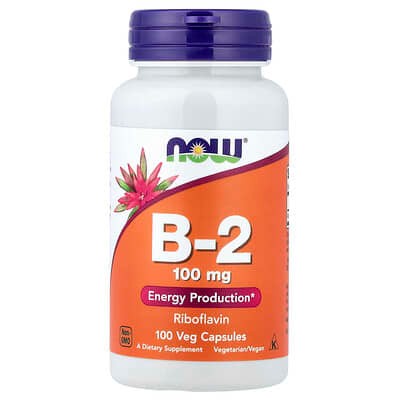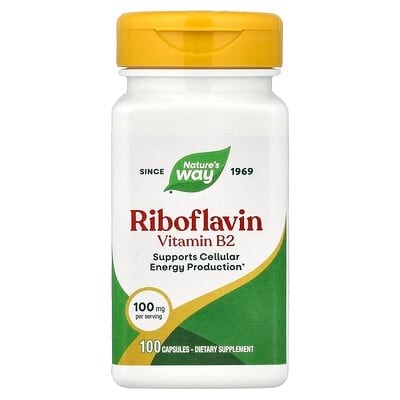
Riboflavin
Riboflavin, also known as Vitamin B2, is a water-soluble vitamin that plays a central role in energy metabolism. It is a precursor to the coenzymes flavin mononucleotide (FMN) and flavin adenine dinucleotide (FAD), which are involved in numerous metabolic reactions, including those that convert carbohydrates, proteins, and fats into usable energy for the body. Beyond energy production, Riboflavin is critical for cellular growth and function. It contributes to the maintenance of healthy skin, vision, and mucous membranes. It also aids in the metabolism and activation of other B vitamins, particularly Niacin (Vitamin B3) and Vitamin B6, as well as Folate and Iron. As an antioxidant, Riboflavin helps protect cells from oxidative stress. It is involved in the synthesis of red blood cells and supports the proper functioning of the nervous system. Due to its water-soluble nature, Riboflavin is not stored in large amounts in the body, necessitating regular dietary intake.


Positive Interactions
One Daily Essential
B-50 Gels
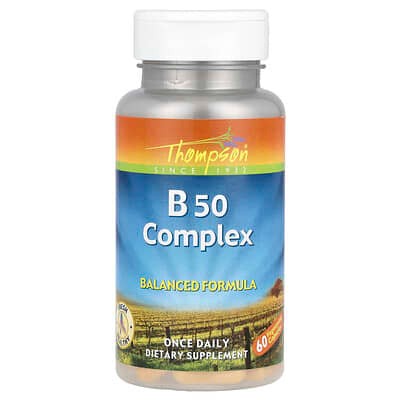
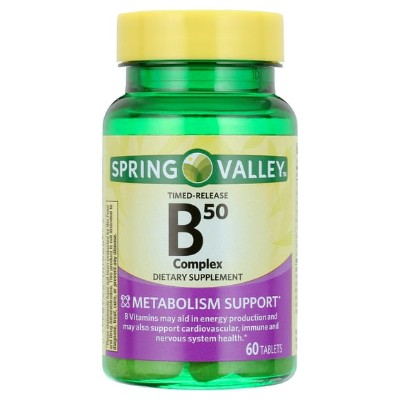
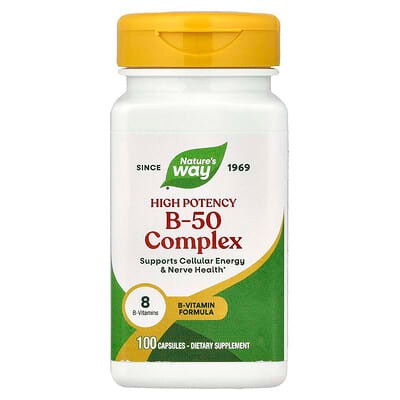
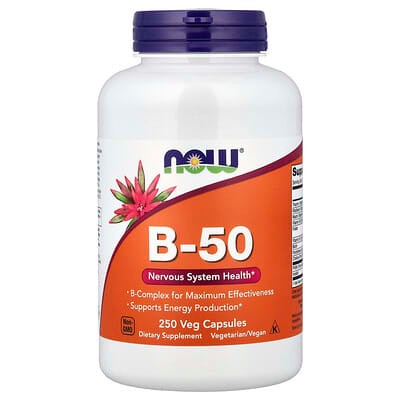
B-50
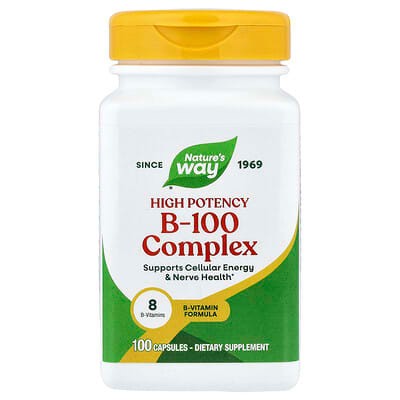
B-100
ATP Cofactors
B 100 Complex
Riboflavin 400 mg
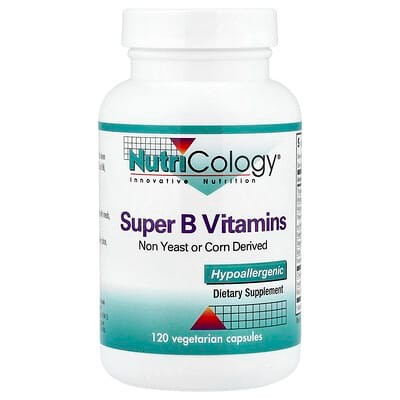
Super B-Complex
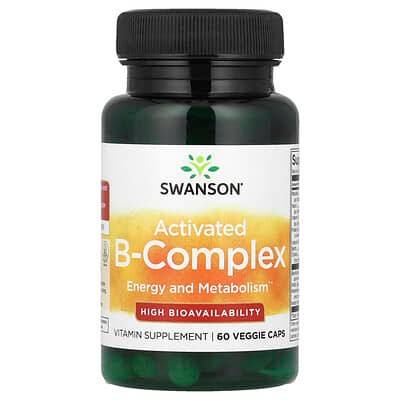
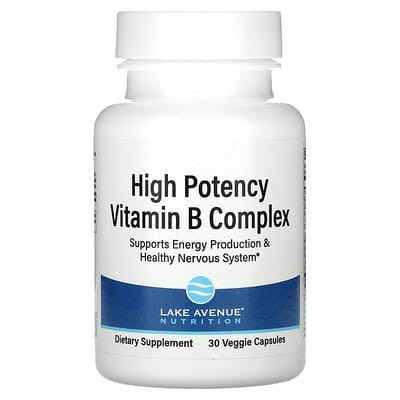
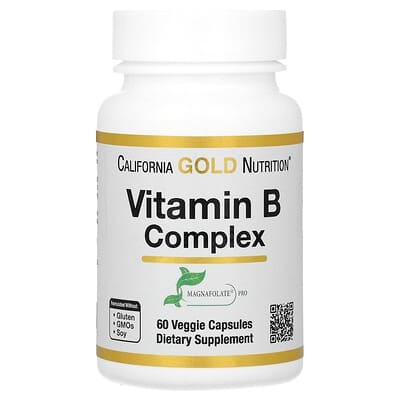
Vitamin B Complex
Super Vitamin B-Complex
Riboflavin Vitamin B2 100 mg
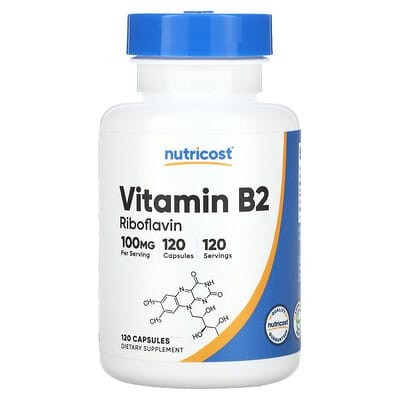
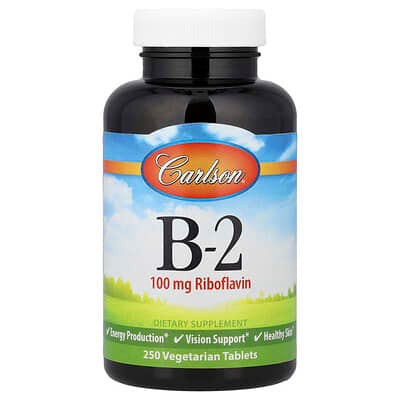
Vitamin B2 100 mg
Methyl-Guard Plus
Complete Multivitamin Adults 50+
Mature Multi
Multi Sport Men's Formula
Migra-Eeze
Riboflavin 400 mg
B Complex
Prenatal Multivitamin/Multimineral with Folate
Complete Multivitamin
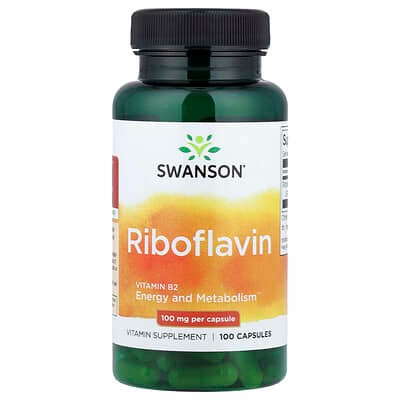
Riboflavin 100 mg
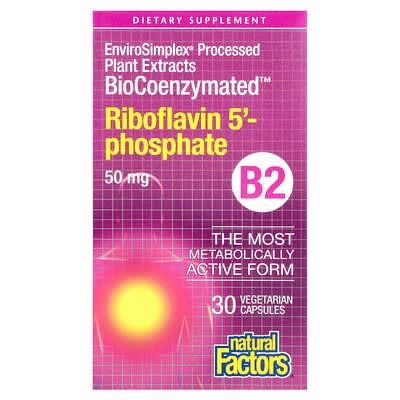
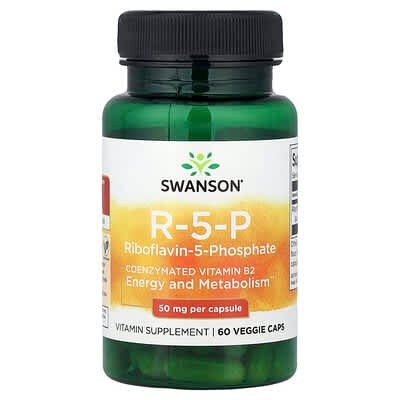
Riboflavin 5'-Phosphate
Liposomal Methyl B-Complex
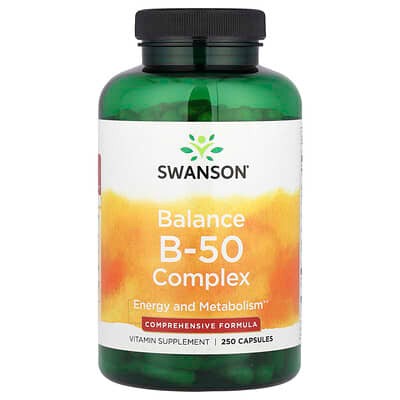
B-50 Complex
Mega Vitamin B-Stress
B-Complex 100
Sentry Senior
- Widely available and affordable
- Well-researched and recognized for its essential functions
- Generally well-tolerated
- Requires conversion to its active coenzyme forms (FMN and FAD) in the body
- Absorption can be limited at very high doses
- Sensitive to light exposure
- Essential for fundamental bodily functions
- Good general bioavailability
- Cost-effective
- Requires metabolic conversion to active forms
- Sensitive to light, which can degrade it in food or solutions
- Higher bioavailability
- Does not require metabolic conversion
- Potentially more effective for individuals with absorption or conversion issues
- Directly supports enzyme function
- Typically more expensive than standard riboflavin
- Less common in general supplements
- Active coenzyme form, no conversion needed
- High bioavailability and rapid utilization
- Excellent stability and water solubility
- Typically more expensive than basic riboflavin
- Potential for a slight bitter taste in some formulations
- Active coenzyme form, no conversion needed
- High bioavailability and rapid utilization
- Excellent stability and water solubility
- Typically more expensive than basic riboflavin
- Potential for a slight bitter taste in some formulations
- Natural food source
- Provides other beneficial nutrients and fiber
- Generally well-tolerated
- Supports a whole-foods diet
- Riboflavin concentration is relatively low
- Intake requires consuming larger quantities
- Bioavailability can vary depending on individual digestion and cooking methods
- Not suitable for addressing deficiencies rapidly
- Active coenzyme form, no conversion needed
- High bioavailability and rapid utilization
- Excellent stability and water solubility
- Typically more expensive than basic riboflavin
- Potential for a slight bitter taste in some formulations
- Higher bioavailability
- Does not require metabolic conversion
- Potentially more effective for individuals with absorption or conversion issues
- Directly supports enzyme function
- Typically more expensive than standard riboflavin
- Less common in general supplements
- Directly bioavailable and active
- Circumvents potential conversion issues
- Rapid utilization for metabolic support
- Generally well-tolerated
- Higher cost compared to basic riboflavin
- Sometimes less available than the sodium salt form