
Nutrient quality
Bromelain and papain provide useful multi-enzyme digestive coverage. Missing activity units and willow-bark safety concerns limit quality.
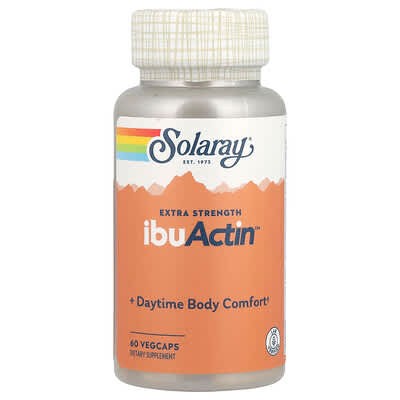
Meaningful enzyme weights are undermined by missing activity units and an inflammation-heavy design. White willow makes the formula a poor fit for some sensitive users.
Meaningful enzyme weights are undermined by missing activity units and an inflammation-heavy design. White willow makes the formula a poor fit for some sensitive users.
 Vitacost Vitacost | $ 21.29 | |
 iHerb iHerb | $ 21.29 |
Bromelain at 200 mg and papain at 75 mg are the main digestive-relevant ingredients. Their weights are visible, but missing activity units prevent a reliable comparison of enzyme potency.
Hops, white willow, turmeric, and ginger make the formula more oriented to discomfort and inflammation than everyday digestion. Ginger and turmeric are too small and poorly characterized to add dependable digestive support.
A two-capsule serving is manageable, but the price is high for enzymes without activity standardization or acid protection. White willow may also irritate the stomach, which conflicts with use by some digestion-sensitive people.
Bromelain and papain provide useful multi-enzyme digestive coverage. Missing activity units and willow-bark safety concerns limit quality.
Most active amounts are disclosed without a hidden blend. Enzyme activity, duplicate hops detail, directions, and inactive ingredients remain incomplete.
The aggregate rating is mixed and the evidence base is modest. Specific experience details are unavailable, so complaint patterns and purpose fit remain uncertain.
Meaningful enzyme weights provide moderate value. Missing activity units and safety trade-offs limit competitiveness.

Bromelain and papain provide proteolytic enzyme support, while ginger may add minor digestive-comfort value. The formula covers more than one gastrointestinal mechanism despite being designed mainly for inflammation.
Enzyme activity units are missing, ginger and turmeric are lightly dosed, and ordinary capsules lack acid protection. White willow can irritate the stomach and may increase bleeding risk with anticoagulant or antiplatelet medicines.
| Ingredient | Amount per serving |
|---|---|
Calories | 5 Calorie(s) |
Total Carbohydrates | 1 Gram(s) |
Protein | 1 Gram(s) |
Biotin | 0 mcg |
Hops cones extract (Alpha Acids, Iso-Alpha Acids) | 500 mg |
Turmeric extract | 50 mg |
Bromelain (Pineapple) | 200 mg |
White Willow | 100 mg |
Papain | 75 mg |
Ginger extract | 50 mg |
The label reports papain only by weight, so biological activity cannot be verified in standardized units. The source and purification details are not identified, limiting confidence in enzyme consistency. The clearly disclosed 75 mg dose is suitable for standard protein-digestion support, and the high serving cost weakens value without activity-standardized papain or an advanced delivery feature.
The ginger extract has an exact weight, but its concentration and active-marker strength are unknown. At 50 mg daily, the amount is too low for dependable focused ginger support. Dose efficiency is poor relative to the serving cost.
The blend supplies a meaningful bromelain amount with several inflammation-focused ingredients. Pineapple is named, but enzyme activity and the plant part are not disclosed. Standard capsules lack acid protection, and the bromelain amount is costly for the serving.
Published studies used for the product analysis and the top-ranked studies for each ingredient and goal.