
Nutrient quality
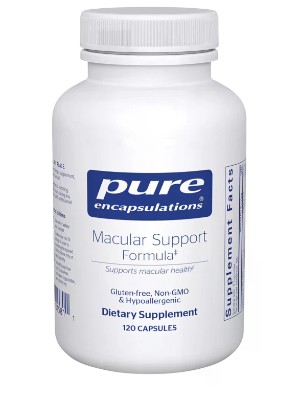
Multiple antioxidant and carotenoid forms support the intended eye-health use. High beta-carotene and an opaque blend create important balance concerns.
.
 Pure Formulas Pure Formulas | $ 107.00 | |
 Vitacost Vitacost | $ 107.00 |
The 50 mg serving provides setria glutathione alongside Vitamin A and Vitamin C in capsule(s). The low-dose amount sits within a broader formula, so each included ingredient should fit the intended use.
The amount is stated, but the supplied information leaves some formulation detail unspecified. Value is a notable trade-off compared with more economical options, and the broader ingredient list needs more careful comparison with simpler alternatives.
The strongest practical fit is everyday coq10 supplementation, with related assessments also supporting glutathione-focused use. The main decision is whether 50 mg and the capsule(s) format match the user's preferred routine and budget.
Multiple antioxidant and carotenoid forms support the intended eye-health use. High beta-carotene and an opaque blend create important balance concerns.
.Most active amounts and forms are disclosed. The carotenoid blend, complete directions, and inactive ingredients remain unclear.
.Customer sentiment is very strong. The rating base is adequate but not deep, while no narrative feedback was supplied.
.Serving economics are weak. Quality limitations keep practical value low.
.| Ingredient | Amount per serving |
|---|---|
Vitamin A (Beta-Carotene) | 7500 mcg |
Vitamin C (Ascorbic Acid) | 800 mg |
N-Acetyl-L-Cysteine | 250 mg |
Setria Glutathione | 50 mg |
Bilberry (Vaccinium myrtillus) extract (Anthocyanosides) | 80 mg |
Grape (Vitis vinifera) extract (Polyphenols) | 50 mg |
FloraGLO Lutein | 10 mg |
Zeaxanthin | 2 mg |
Proprietary Mixed Carotenoid Blend | 1445 mcg |
Setria supports strong source purity, but the formula supplies only 50 mg of glutathione. A standard two-capsule serving lacks enhanced delivery and falls below a practical dose. The 7,500 mcg beta-carotene amount may be unsuitable for current or former smokers because high supplemental intake is linked to increased lung cancer risk.