
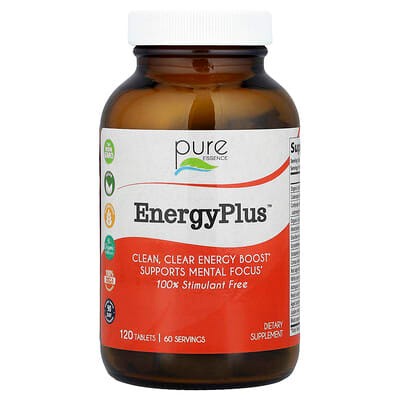
Nutrient quality
Organic spirulina is clearly identified, but the many botanical extracts lack ratios, plant parts, or active-marker strengths. Spirulina is meaningful, while cordyceps, astragalus, reishi, and most other extracts are modest.
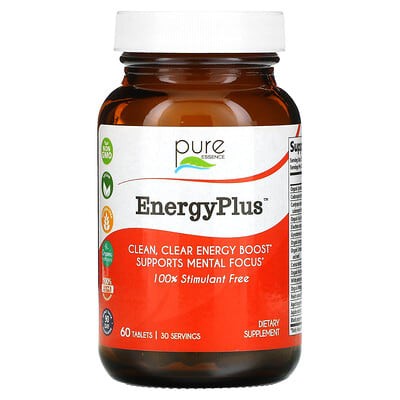
 iHerb iHerb | $ 25.61 | |
 Amazon Amazon | $ 33.62 |
Organic spirulina at 1,000 mg is the most meaningful ingredient and provides a useful algae serving. Cordyceps, goji, and codonopsis follow at 150 mg each, with numerous smaller traditional extracts.
Eleuthero reaches only the minimum useful extract range, while astragalus and reishi are each 50 mg. Species, plant parts, extraction ratios, and active-marker levels are largely absent across the blend.
The formula offers broad ingredient variety and discloses individual amounts. Two tablets per serving and moderate cost are reasonable, but purity testing for spirulina and standardized potency for the botanicals are not shown.
Organic spirulina is clearly identified, but the many botanical extracts lack ratios, plant parts, or active-marker strengths. Spirulina is meaningful, while cordyceps, astragalus, reishi, and most other extracts are modest.
Every listed botanical has an individual amount. Excipients and daily directions are absent from the supplied data, which leaves some label details uncertain.
The aggregate satisfaction average is favorable, though no detailed feedback is supplied. The substantial volume provides a useful aggregate satisfaction signal.
The meaningful spirulina amount helps, but the long undercharacterized blend weakens formula quality. The serving cost is moderate for the broad formula but not compelling for its modest key extracts.

A full spirulina amount and several adaptogenic botanicals provide broad antioxidant and immune-modulating support. Human evidence and active-marker disclosure are uneven across the botanical blend.
Black pepper may aid absorption, but most extracts lack standardization and spirulina contaminant testing is not shown. The energy-focused blend offers breadth with inconsistent depth.
| Ingredient | Amount per serving |
|---|---|
organic Spirulina | 1000 mg |
Codonopsis extract | 150 mg |
Cordyceps extract | 150 mg |
organic Goji | 150 mg |
Eleuthero extract | 100 mg |
Gynostemma extract | 100 mg |
organic Atractylodes extract | 100 mg |
organic Schizandra extract | 100 mg |
Cornus extract | 75 mg |
organic Red Sage extract | 75 mg |
White Peony extract | 75 mg |
organic Astragalus extract | 50 mg |
Reishi extract | 50 mg |
sun-dried aged ripe Tangerine extract | 25 mg |
Jujube extract | 25 mg |
Black Pepper fruit extract | 1 mg |
The algae is described as organic, but no recognized certification body is identified. The algae portion uses spirulina alone, so cellulose cell-wall processing is not required. The 1000 mg algae serving reaches the high-dose range. No algae-specific contaminant testing is disclosed. The effective algae dose is priced near the collection median.
The extract provides no eleutheroside standardization, extraction ratio, or plant-part identification. Its clearly disclosed 100 mg amount just reaches the minimum effective extract threshold. The per-serving cost is moderate, giving acceptable value despite limited quality detail.
The generic extract lacks the plant part, species, ratio, and active-marker details needed for a confident quality assessment. The exact 50 mg amount falls below the preferred range for focused astragalus support. Its cost per standard extract amount is high.
Published studies used for the product analysis and the top-ranked studies for each ingredient and goal.