

Nutrient quality
Calcium citrate is a strong form, but magnesium oxide lowers the formula’s absorption quality. Both amounts are useful for basic support without appearing excessive.
.
 iHerb iHerb | $ 13.39 | |
| iHerb | $ 13.39 |
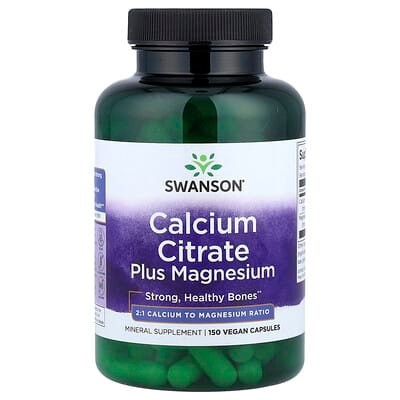
Calcium citrate supplies a moderate amount that can help close a dietary gap without relying heavily on stomach acid. Added magnesium makes the formula broader than calcium alone and may support normal muscle and bone function.
Magnesium oxide is typically less well absorbed than better-solubilized magnesium forms and may be more likely to loosen stools. The formula also omits vitamin D and vitamin K, so it does not cover several common bone-support pathways.
The capsule format and clearly named mineral forms make routine use easy to judge. It fits people who want calcium plus some magnesium, but those specifically seeking magnesium may prefer a different form.
Calcium citrate is a strong form, but magnesium oxide lowers the formula’s absorption quality. Both amounts are useful for basic support without appearing excessive.
.Active amounts and serving counts are mostly clear from the supplied label facts. Missing non-active ingredients and complete directions leave practical disclosure gaps.
.The aggregate rating is strong and supported by a large feedback volume. Specific experience details are missing, so recurring problems and purpose fit remain uncertain.
.A useful calcium amount and added magnesium provide strong quality for the accessible cost. Serving value is strong for a two-mineral formula.
.| Ingredient | Amount per serving |
|---|---|
Calcium (Calcium Citrate) | 300 mg |
Magnesium (Magnesium Oxide) | 150 mg |
Calcium citrate offers reliable absorption even when stomach acid is low. The 300 mg serving provides a useful amount but may require another daily dose for higher needs. Calcium can reduce absorption of levothyroxine and tetracycline or quinolone antibiotics, so doses should be separated.