Psyllium fiber

botanical

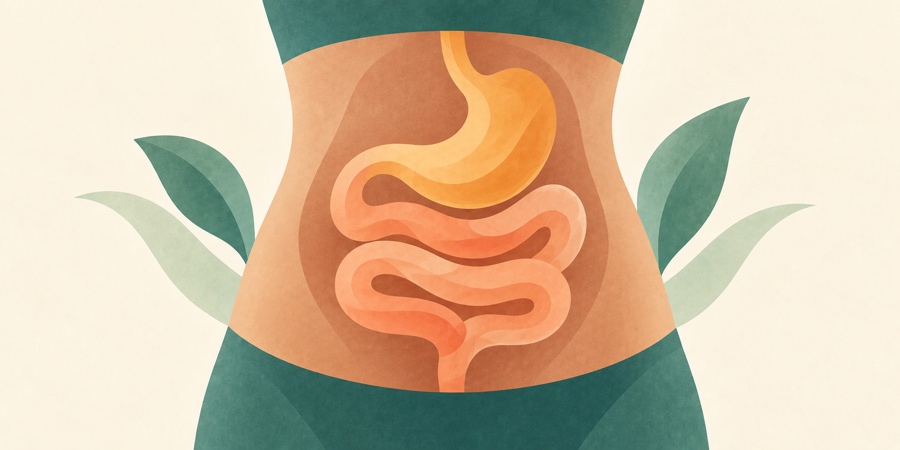
Psyllium fiber is a natural, bulk-forming laxative and a valuable source of soluble dietary fiber extracted from the husks of the *Plantago ovata* plant seeds. When mixed with water, it forms a viscous gel that aids in the smooth passage of waste through the digestive system, promoting regular bowel movements and alleviating constipation. This gel-forming action also contributes to softer stools, making it beneficial for those needing to avoid straining. Beyond its laxative effects, psyllium fiber plays a significant role in broader digestive and metabolic health. It can help regulate blood sugar levels by slowing the absorption of glucose after meals, which is particularly beneficial for maintaining stable energy. Furthermore, psyllium contributes to cardiovascular health by binding to bile acids in the gut, prompting the liver to use cholesterol to produce more bile, thereby helping to reduce LDL ("bad") cholesterol levels. Additionally, psyllium fiber acts as a prebiotic, feeding beneficial gut bacteria, which supports a healthy microbiome. Its ability to absorb water and expand in the stomach can create a feeling of fullness, potentially reducing overall calorie intake and supporting weight management efforts. Due to its potent water-absorbing properties, it is crucial to consume psyllium fiber with a large amount of water to prevent digestive discomfort or choking.

Natural sources
Husks of the Plantago ovata plant (also known as ispaghula or Indian plantain)

No public comparison lists found.

Timing & Intake
AnytimeWith foodTake with A large glass of water (at least 8 oz or 240ml)
It is crucial to consume psyllium fiber with adequate fluid to prevent choking or intestinal blockage. Consider taking other medications or supplements at least 1-2 hours before or after psyllium fiber to avoid reduced absorption.
Optimal Dosage
Minimum3000 mg
Maximum6000 mg
Safety & Toxicity
5 safety notes
  • Always take with a full glass of water (at least 8 ounces per dose) and drink plenty of fluids throughout the day to prevent choking or intestinal blockage.
  • Do not use if you have difficulty swallowing, narrowing of the esophagus, or a pre-existing bowel obstruction.
  • Start with a small dose and gradually increase to allow your body to adjust and minimize gas and bloating.
  • Discontinue use and seek medical attention immediately if you experience chest pain, vomiting, or difficulty swallowing or breathing after taking this product.
  • Psyllium fiber may reduce the absorption of certain medications and nutrients; consult a healthcare professional before use, especially if you are on medication.
Goals
Cardiovascular Support
Impact
Highest effect
Typical dose:5–15 g
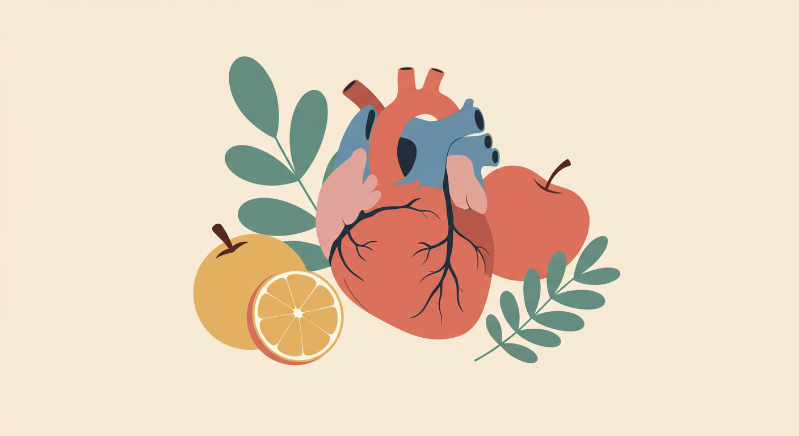
Psyllium is a highly viscous soluble fiber that forms a gel in the intestines. This gel effectively traps bile acids, preventing their reabsorption and compelling the liver to draw cholesterol from the bloodstream to synthesize new bile acids. This direct mechanism is a powerful and well-established method for reducing LDL cholesterol levels, making it a foundational supplement for lipid management.

Study evidence

No published studies for this goal yet.

View goal
Digestive Health
Impact
Highest effect
Typical dose:5–15 g
As a soluble, viscous fiber, psyllium normalizes stool by absorbing water, which can alleviate both constipation and diarrhea. It also acts as a prebiotic, fermenting in the colon to produce short-chain fatty acids like butyrate, which nourishes colon cells.

Study evidence

No published studies for this goal yet.

View goal
General Health
Impact
High effect
Typical dose:5–15 g
Psyllium is a soluble fiber that forms a gel in the digestive tract, which helps promote regular bowel movements and feeds beneficial gut bacteria. This action also slows the absorption of sugar and can bind to cholesterol, supporting healthy blood sugar and lipid levels, which are cornerstones of general health.

Study evidence

No published studies for this goal yet.

View goal
Weight Loss
Impact
High effect
Typical dose:5–15 g
When mixed with water, psyllium forms a viscous, gel-like substance in the digestive tract. This slows stomach emptying and promotes a strong sense of satiety, making it an effective tool for managing hunger between meals and reducing portion sizes.

Study evidence

No published studies for this goal yet.

View goal
Detoxification
Impact
Situational effect
Typical dose:5–15 g
The liver packages many toxins into bile, which is then released into the gut. Soluble fiber like psyllium creates a gel-like substance that traps this bile, carrying it out in the stool. This interrupts the enterohepatic circulation, which can otherwise allow toxins to be reabsorbed.

Study evidence

No published studies for this goal yet.

View goal
Heart Health
Impact
Situational effect
Typical dose:5–15 g
When psyllium forms a gel in the gut, it traps cholesterol-rich bile acids, forcing the body to pull cholesterol from the bloodstream to produce more bile. This is a direct and proven mechanism for reducing LDL levels, a key risk factor for heart disease.

Study evidence

No published studies for this goal yet.

View goal

Studies

Research connections will load here.