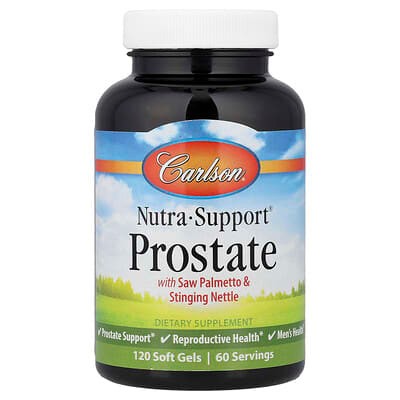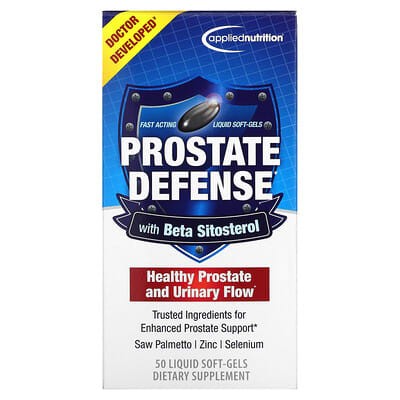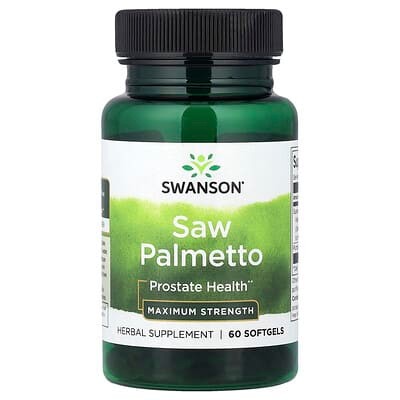
Saw Palmetto
Saw Palmetto is a small palm tree native to the southeastern United States, with its therapeutic properties primarily found in its dark berries. The extract from these berries is rich in fatty acids, phytosterols, and flavonoids, which are believed to be responsible for its health benefits. It is commonly used as a natural supplement for various health concerns. The primary mechanism of action for Saw Palmetto is thought to involve the inhibition of 5-alpha-reductase, an enzyme responsible for converting testosterone into dihydrotestosterone (DHT). DHT is a potent androgen that plays a crucial role in prostate growth and hair loss. By inhibiting this enzyme, Saw Palmetto may help reduce the size of the prostate and alleviate associated urinary symptoms. Beyond its hormonal effects, Saw Palmetto also exhibits anti-inflammatory properties, which can be beneficial in reducing inflammation associated with prostate conditions. It may also contribute to improved urinary flow and overall urinary tract comfort. While most research focuses on men's health, its anti-inflammatory and hormonal balancing effects may have broader applications.
Positive Interactions
Negative Interactions
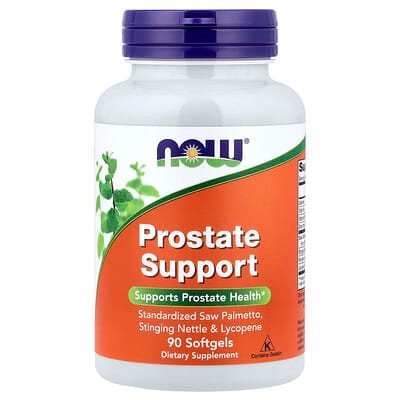
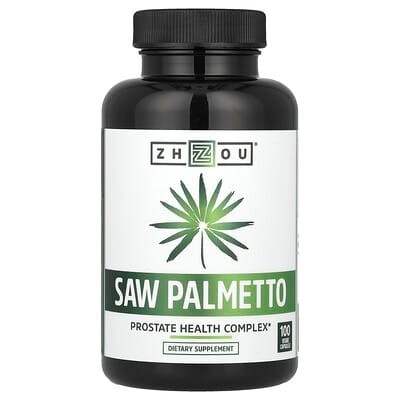
ProFlo Prostate Health Complex
SP Ultimate
Prostate Health
Saw Palmetto 320
Standardized Extra-Strength Saw Palmetto Berry Extract
Saw Palmetto Maximum Strength
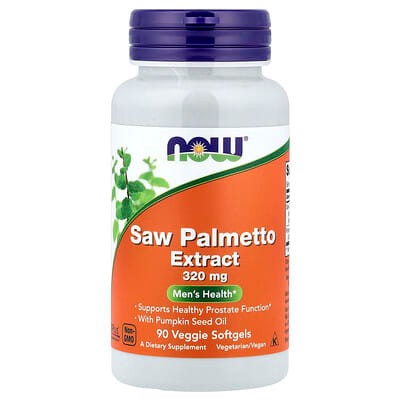
Saw Palmetto Extract 320 mg
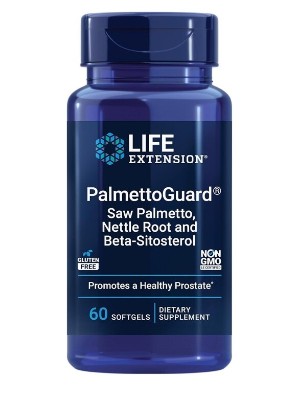
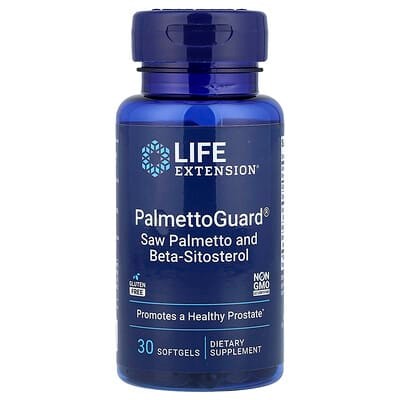
PalmettoGuard
Saw Palmetto 1000 mg
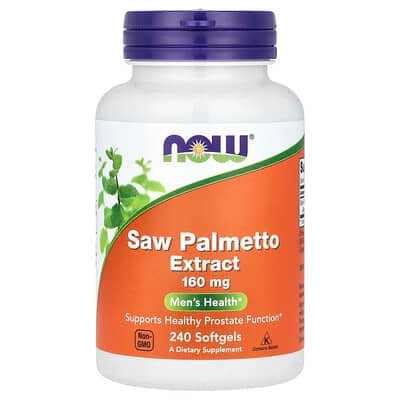
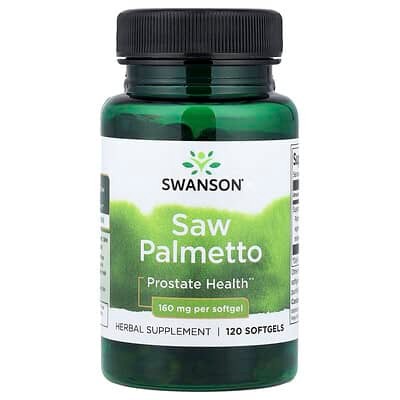
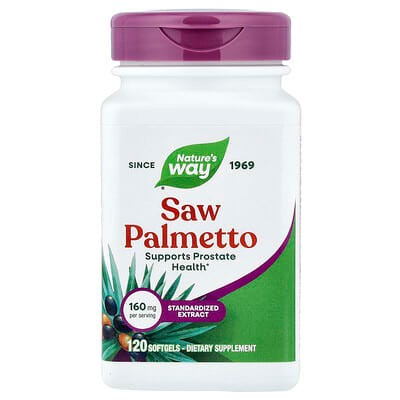
Saw Palmetto Extract 160 mg
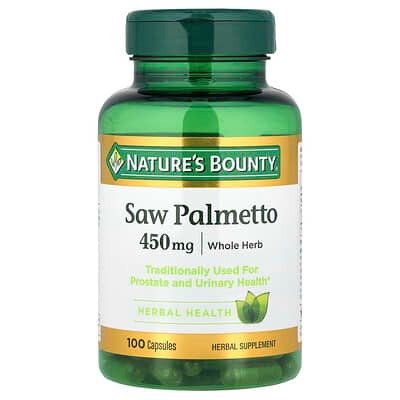
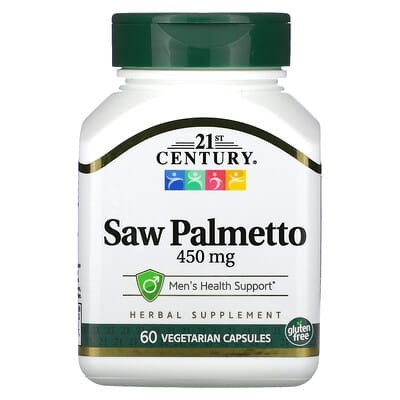
Saw Palmetto 450 mg
Prosta-Response
Prost-Mate
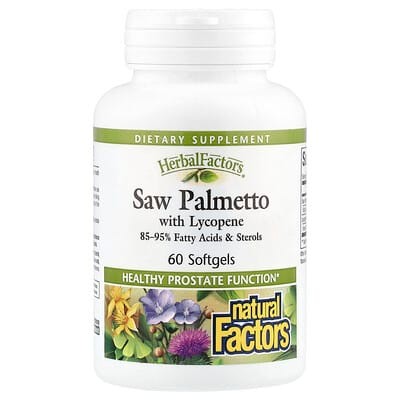
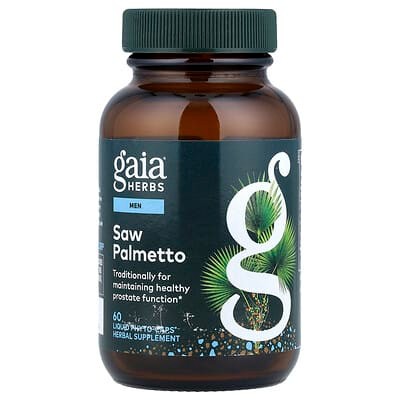
Saw Palmetto
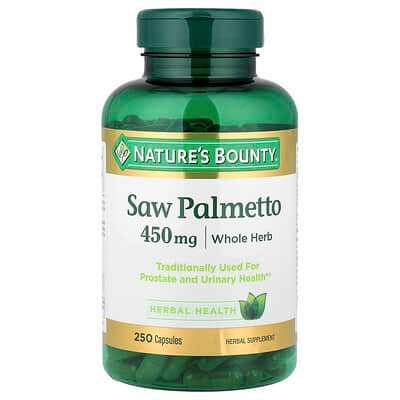
Saw Palmetto 450 mg
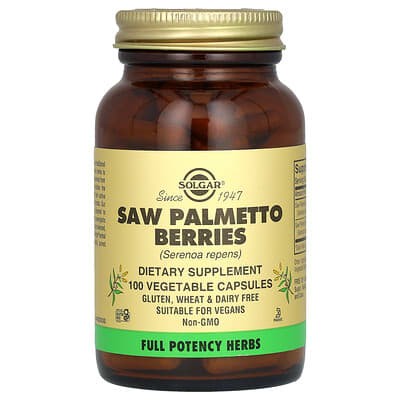
Saw Palmetto Berries 585 mg
Saw Palmetto Extract 160 mg
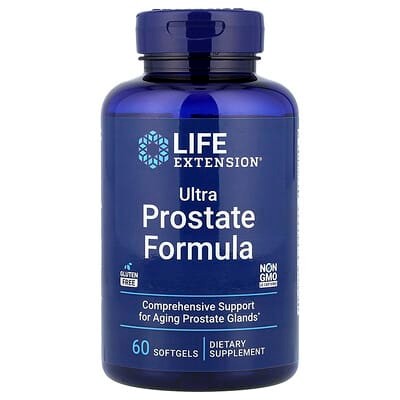
Ultra Prostate Formula
Saw Palmetto Berries 585 mg
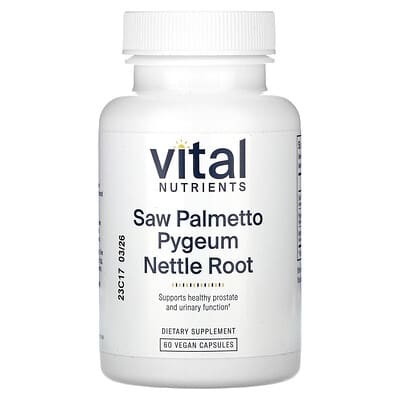
Saw Palmetto Pygeum Nettle Root
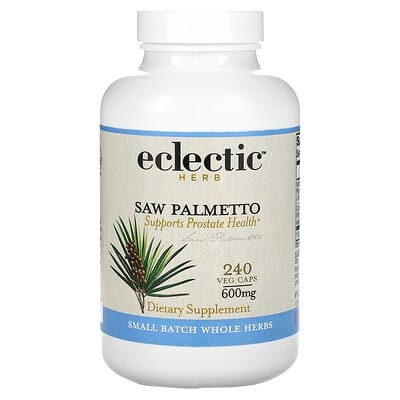
Saw Palmetto 540 mg
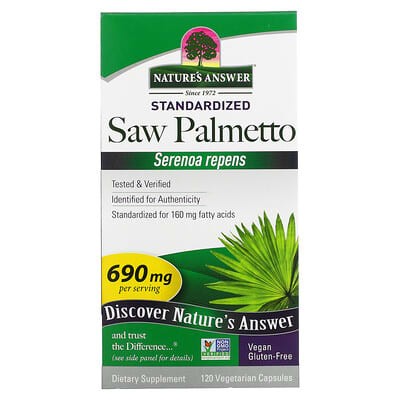
Saw Palmetto 690 mg
Saw Palmetto 580 mg
Saw Palmetto 580 mg
Saw Palmetto 450 mg
- Directly involved in the primary mechanism of action (5-alpha-reductase inhibition)
- Often standardized in high-quality Saw Palmetto extracts
- Well-researched for their role in Saw Palmetto's effects
- Typically consumed as part of a complex extract rather than isolated
- Efficacy depends on the specific profile and concentration of different fatty acids
- Common and reliable standardization for potent Saw Palmetto extracts
- Directly linked to the main mechanism of action (5-alpha-reductase inhibition)
- Ensures a high concentration of the key active compounds
- The specific profile of fatty acids can vary between extracts, affecting nuanced efficacy
- May not fully account for the synergistic effects of other minor compounds like sterols
- Common and reliable standardization for potent Saw Palmetto extracts
- Directly linked to the main mechanism of action (5-alpha-reductase inhibition)
- Ensures a high concentration of the key active compounds
- The specific profile of fatty acids can vary between extracts, affecting nuanced efficacy
- May not fully account for the synergistic effects of other minor compounds like sterols
- Focuses on the most functionally significant sterol components
- Implies a higher quality extract that emphasizes known active ingredients
- Directly targets the mechanism of DHT reduction
- Can sometimes be a marketing term if not accompanied by specific standardization percentages
- May not capture the full synergistic effect of all fatty acids present in the berry oil
- Specific compound with established anti-androgenic activity
- Contributes to 5-alpha-reductase inhibition
- Can be standardized in extracts for consistent potency
- May not capture the full synergistic effects of all Saw Palmetto compounds if used in isolation
- Often more expensive to isolate and standardize compared to total extracts
- Directly involved in the primary mechanism of action (5-alpha-reductase inhibition)
- Often standardized in high-quality Saw Palmetto extracts
- Well-researched for their role in Saw Palmetto's effects
- Typically consumed as part of a complex extract rather than isolated
- Efficacy depends on the specific profile and concentration of different fatty acids
- Represents the directly bioavailable and active form of fatty acids
- More readily available for interaction with target enzymes
- Difficult to precisely isolate or standardize specifically for 'free fatty acids' in commercial extracts, which often specify 'Total Fatty Acids'
- Stability might be a concern compared to esterified forms in some contexts
- Essential active components of Saw Palmetto
- Contribute to the plant's efficacy against DHT-related issues
- A general term; specific impact depends on the concentration and type of sterols present
- Less precise for standardization compared to 'Total Sterols' or 'Beta-Sitosterol'
- Represents a significant active fraction of the Saw Palmetto plant
- Includes multiple compounds that contribute to the desired effects
- Often part of standardization for comprehensive extracts
- Less specific than standardizing for individual active sterols like beta-sitosterol
- The overall effectiveness can depend on the specific profile of sterols included