Stinging Nettle
Stinging Nettle (Urtica dioica) is a common herbaceous perennial plant found in temperate regions worldwide. Known for its characteristic stinging hairs that release histamine and other irritants upon contact, it has been used for centuries in traditional medicine, culinary preparations, and even textile production. The leaves, stems, and roots are all utilized for their therapeutic properties. Rich in vitamins (A, C, K, B vitamins), minerals (iron, calcium, magnesium, potassium), amino acids, fatty acids, and powerful antioxidants like carotenoids and polyphenols, Stinging Nettle is a nutritional powerhouse. Its diverse phytochemical composition contributes to its wide array of purported health benefits, including anti-inflammatory, antioxidant, and diuretic effects. Traditionally, Stinging Nettle has been employed to address a variety of ailments, from joint pain and eczema to urinary issues and hay fever. Modern research has begun to support some of these traditional uses, particularly concerning its role in prostate health, reducing inflammation, and alleviating symptoms of seasonal allergies due to its antihistamine properties.


Positive Interactions
Prostate Wellness
JustBreathe
Nettle
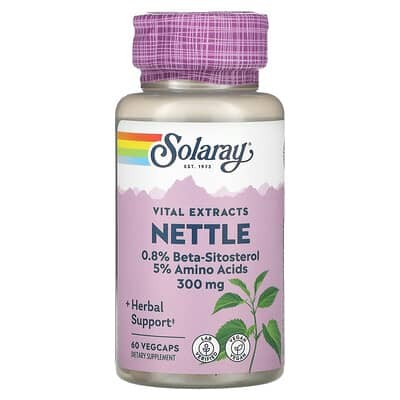
Nettle 300 mg
Skin Nails & Hair 2
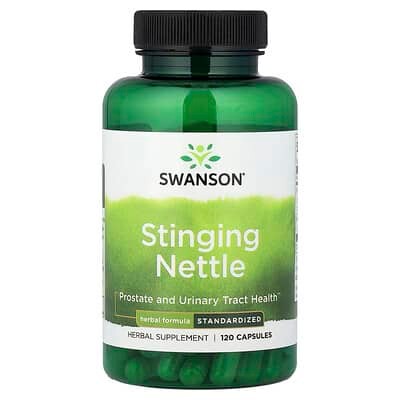
Stinging Nettles
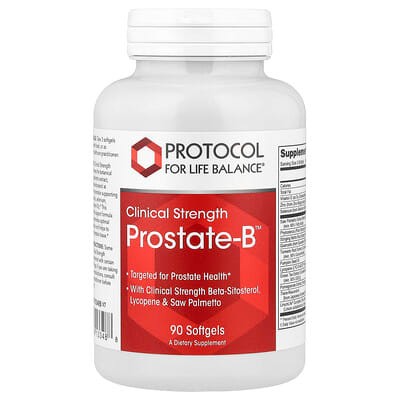
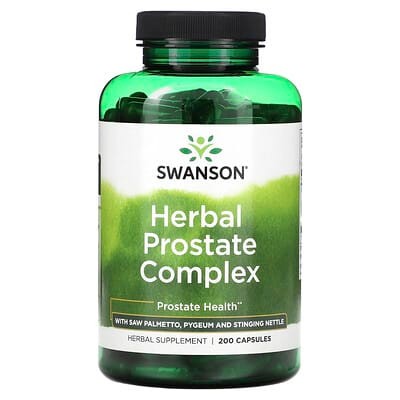
Herbal Prostate Complex
Nettles Quercetin 350 mg
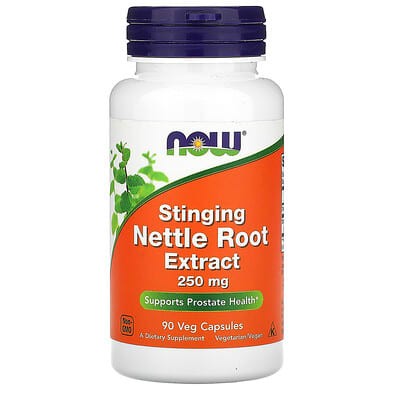
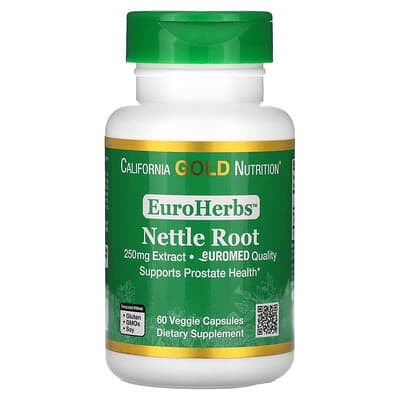
Nettle Root 250 mg
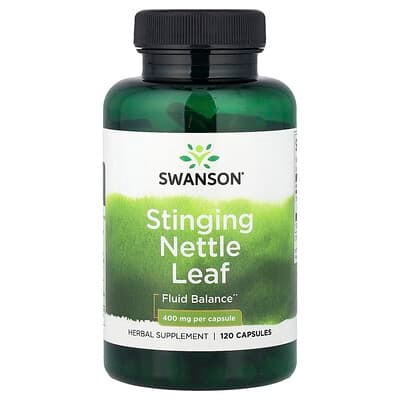
Stinging Nettle Leaf 400 mg
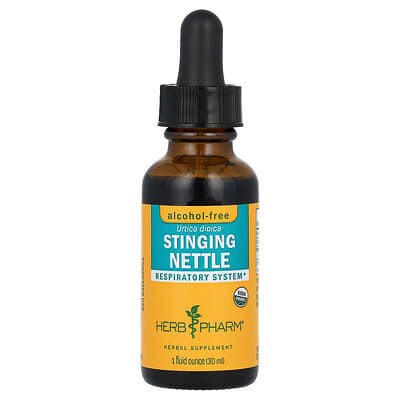
Stinging Nettle Alcohol-Free
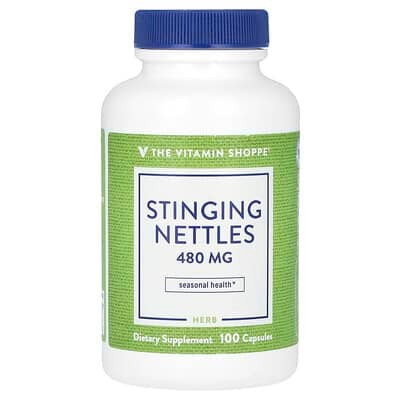
Stinging Nettles 480 mg
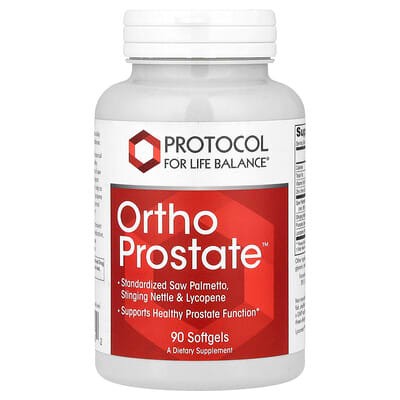
Ortho Prostate
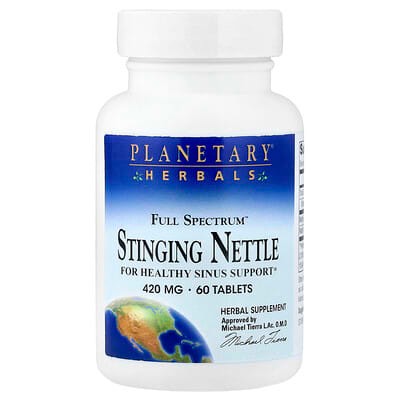
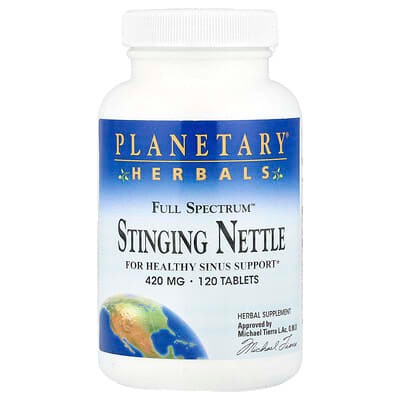
Freeze-Dried Stinging Nettles 420 mg
Stinging Nettle Root Extract 250 mg
Organic Stinging Nettle
Prostate Essentials Plus
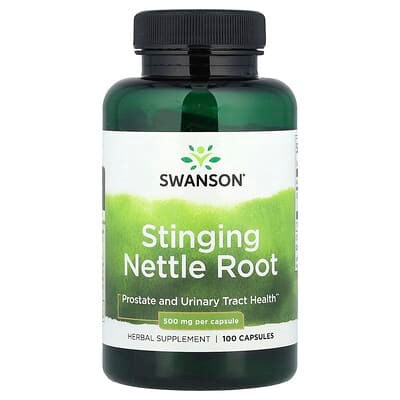
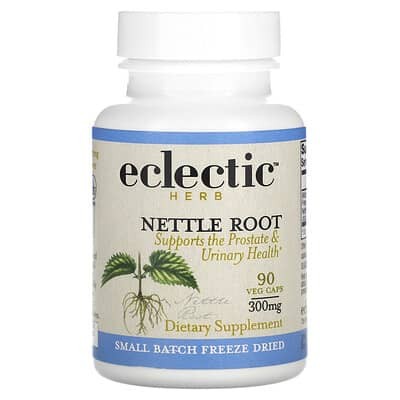
Stinging Nettle Root 500 mg
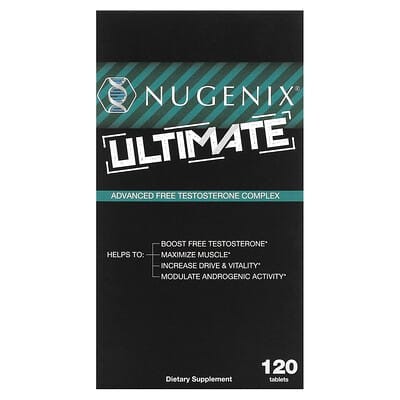
Nugenix Ultimate
HistaEze
Concentrated Ultra Prostagen
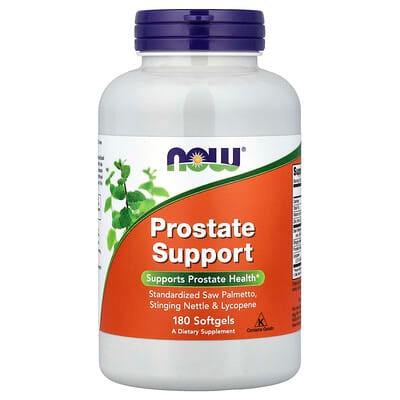
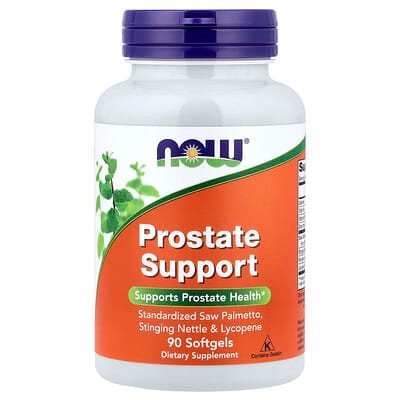
Prostate Support
Prostate Essentials
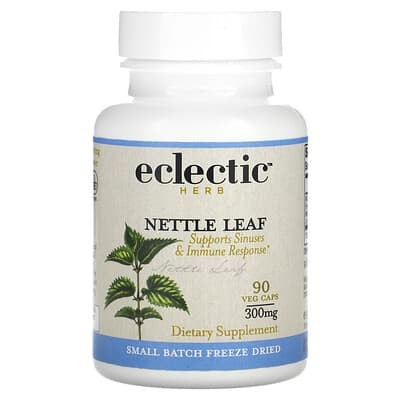
Nettle Leaf
Advanced Inflammation Support
Freeze-Dried Stinging Nettles 420 mg
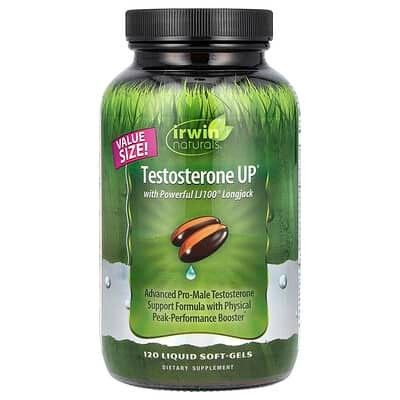
Testosterone UP
- Provides targeted action for prostate health and hormone modulation
- Often standardized for potency, ensuring consistent dosage of active compounds
- Contributes to increasing free testosterone by inhibiting SHBG binding
- May not offer the full spectrum of benefits from other nettle compounds found in whole extracts
- Can be isolated from other botanical sources besides nettle, so source purity is important
- Offers whole-plant synergy with a wide range of nutrients
- Has a long history of traditional use for general wellness
- Leaves are well-regarded for anti-inflammatory properties
- Potency and specific benefits can vary depending on the plant parts used (leaf vs. root)
- Less concentrated for specific effects compared to standardized extracts
- Raw plant can cause temporary skin irritation due to stinging hairs
- Highly effective and targeted for prostate health support (e.g., BPH symptoms)
- Well-documented for increasing free testosterone by inhibiting SHBG binding
- Concentrated and often standardized for key active compounds
- May be more expensive than whole herb forms due to extraction and standardization
- Can have a strong diuretic effect due to its natural properties
- Potential for similar benefits to Urtica dioica root extract for prostate and hormonal health
- Provides an alternative source of compounds beneficial for testosterone support
- Exhibits anti-inflammatory properties common to the nettle family
- Less extensive scientific research and clinical evidence compared to Urtica dioica root extract for specific goals
- Availability may be more limited than Urtica dioica forms
- Versatile and widely available in various forms (teas, capsules)
- Supports general wellness and provides a good source of nutrients
- Leaves are recognized for broad anti-inflammatory and allergy-relief properties
- Ambiguous regarding specific plant part (leaf vs. root), which can significantly affect targeted benefits
- Potency and compound profile may vary considerably between products
- Supports bone health and mineralization
- Contributes to healthy skin elasticity and collagen production
- Strengthens hair and nails, reducing brittleness
- Not the primary active compound in nettle for achieving testosterone or direct anti-inflammatory goals
- Can be obtained from many other dietary and supplemental sources besides nettle