Study evidence
No published studies for this goal yet.
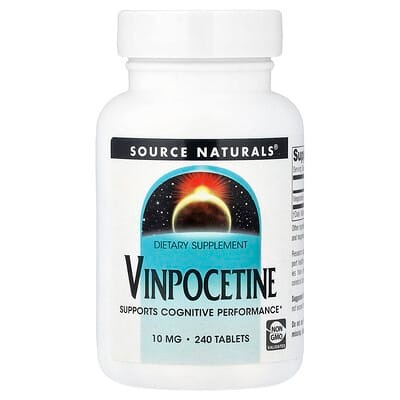
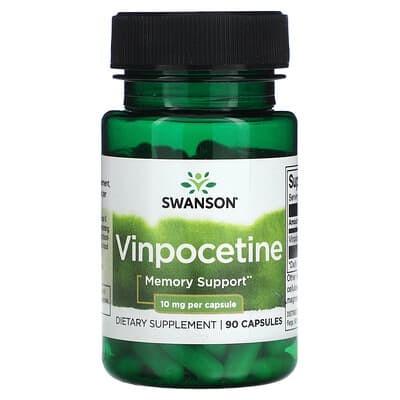
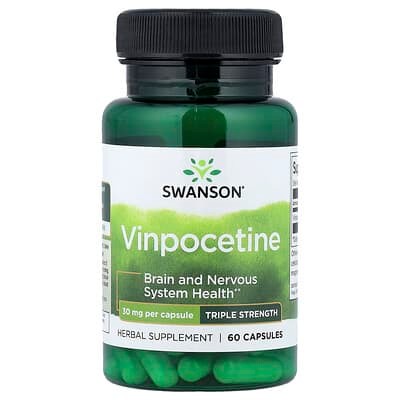
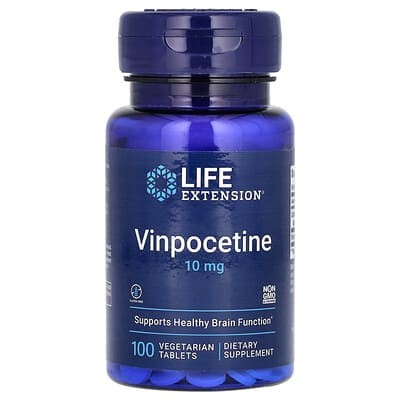
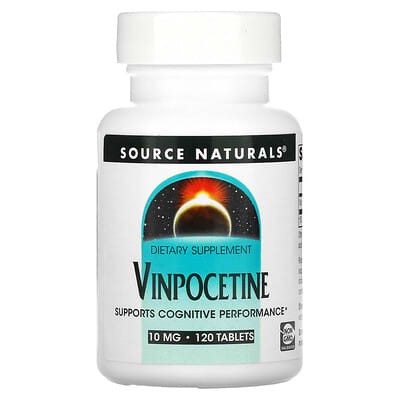
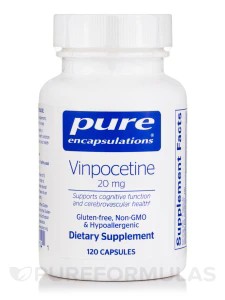
Vinpocetine is a semi-synthetic derivative of vincamine, an alkaloid found in the Vinca minor or lesser periwinkle plant. While based on a plant extract, the compound is synthesized in a laboratory setting. It is used as a nootropic supplement to support brain health and cognitive performance by assisting the brain's microcirculation. Its mechanism is thought to involve selective inhibition of phosphodiesterase type 1 (PDE1), which may increase cerebral cyclic GMP (cGMP) levels. Such action can relax smooth muscles in blood vessels, supporting improved cerebral blood flow and oxygen utilization. It also demonstrates neuroprotective and anti-inflammatory properties that contribute to brain resilience. Supplementation is commonly used for its potential to support memory, concentration, and general cognitive function. Research specifically investigates its role in brain health where circulation might be compromised, assisting in the delivery of nutrients and oxygen to neural tissues and potentially aiding in neurological recovery.
No public comparison lists found.

No published studies for this goal yet.

Vinpocetine has preliminary evidence for improving some cognitive scores in people with existing impairment, but support for better mental focus in healthy adults is weak. Limited healthy-volunteer research found a narrow memory benefit without consistent improvements across other measures of mental performance.

Vinpocetine shows possible cognitive benefits in people with impaired brain circulation or existing cognitive problems, but the evidence has important limitations. Findings from medical treatments, including intravenous and combination therapy, do not establish general brain-health benefits for healthy people taking supplements.

Vinpocetine has preliminary evidence of improving selected visual measures when added to treatment for early age-related macular degeneration. The limited, nonrandomized research does not establish a reliable benefit for vision, prevention of eye disease or use as a stand-alone supplement.
Up to five highest-ranked published examples per goal. Study counts and charts include all published studies for the connection.