
Nutrient quality
Saw palmetto, beta-sitosterol, nettle, and pygeum create coherent prostate-focused coverage. Key extracts lack standardization and several supporting amounts are small.
.
 Amazon Amazon | $ 20.97 | |
 iHerb iHerb | $ 20.97 | |
 Vitacost Vitacost | $ 20.97 |
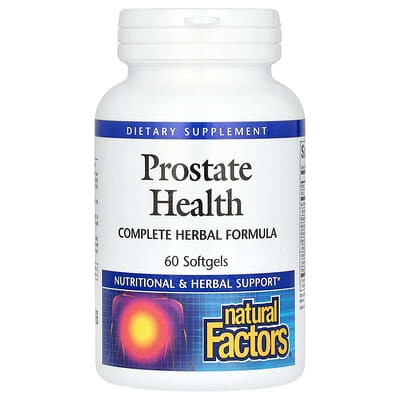
One softgel provides 160 mg saw palmetto extract, 100 mg beta-sitosterol, 75 mg nettle, 25 mg each of rye pollen, pygeum, and turmeric, plus 1 mg tomato extract. The oil-based softgel is suitable for fat-soluble saw palmetto compounds and keeps use convenient.
The blend covers several prostate-related pathways, but saw palmetto lacks fatty-acid standardization and is below a common full daily extract amount. Nettle plant part is not stated, while its amount and those of pygeum and turmeric are modest.
Sixty servings and low-to-moderate daily cost provide reasonable breadth. It fits general prostate support better than hair, testosterone, turmeric, or nettle-focused use.
Saw palmetto, beta-sitosterol, nettle, and pygeum create coherent prostate-focused coverage. Key extracts lack standardization and several supporting amounts are small.
.Individual active weights are clearly disclosed. Some extract percentages, enzyme activity, or non-active label details remain incomplete.
.The supplied rating is favorable and the feedback base is adequate. No complaint-level evidence was supplied to assess recurring issues or purpose-specific experiences.
.The serving cost is favorable for the amount of formula provided. Potency and standardization gaps still reduce certainty about effective value.
.
Saw palmetto gives the formula situational relevance to androgen-related pattern hair loss. Evidence is limited, and the extract amount and standardization do not match the better-studied approach.
The oil-based softgel suits lipid compounds, but key extract quality details are absent. Saw palmetto can affect androgen-sensitive conditions and may be unsuitable during pregnancy or when trying to conceive.

Turmeric and nettle offer some inflammation-related activity, but the formula is primarily designed for prostate support. Most botanicals are supplied in small amounts, and the key extracts lack active-marker standardization.
Saw palmetto and beta-sitosterol dominate the serving without providing broad systemic anti-inflammatory depth. The many minor botanicals create breadth on paper but little confidence in effective pathway coverage.
| Ingredient | Amount per serving |
|---|---|
Calories | 10 Calorie(s) |
Total Fat | 1 Gram(s) |
Saw Palmetto Fruit Extract | 160 mg |
Phytosterol (Beta Sitosterol, Soy) | 100 mg |
Nettle extract | 75 mg |
Rye flower pollen extract | 25 mg |
Pygeum extract | 25 mg |
Turmeric extract | 25 mg |
Tomato extract | 1 mg |
The oil-based softgel should suit absorption of saw palmetto's fat-soluble compounds, but the extract lacks fatty-acid standardization and extraction details. The saw palmetto amount is below the common clinical target, while one softgel keeps use convenient. Several complementary prostate-focused botanicals add breadth, though the unstandardized extract limits confidence in value.
A generic nettle extract is present, but the missing plant part makes its suitability for prostate support uncertain. The 75 mg amount is well below the more useful extract range. The low cost cannot fully compensate for the weak dose and limited source detail.
The turmeric component is a very small, unstandardized part of a prostate-focused blend. Softgel delivery may offer some lipid support, but active curcuminoids are not disclosed. It is not an efficient choice when turmeric is the main priority.
Published studies used for the product analysis and the top-ranked studies for each ingredient and goal.