
Nutrient quality
Ashwagandha and iodine sources are partly identified, while a proprietary extract blend prevents full form assessment. Low ashwagandha potency, ambiguous iodine, and an opaque blend make the formula difficult to judge safely.
 iHerb iHerb | $ 49.49 | |
| iHerb | $ 49.49 | |
 Amazon Amazon | $ 49.49 | |
 Pure Formulas Pure Formulas | $ 49.49 | |
 Vitacost Vitacost | $ 49.49 |
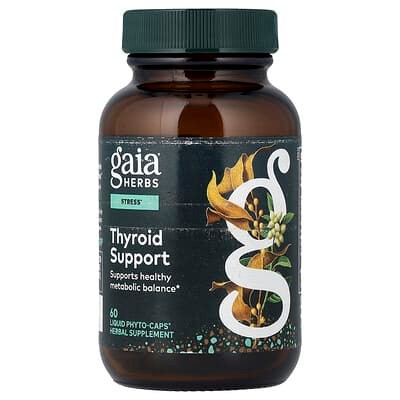
unstandardized ashwagandha root extract supplies 80 mg in two-capsule serving. Ashwagandha is a minor component beside iodine and a 630 mg proprietary extract blend.
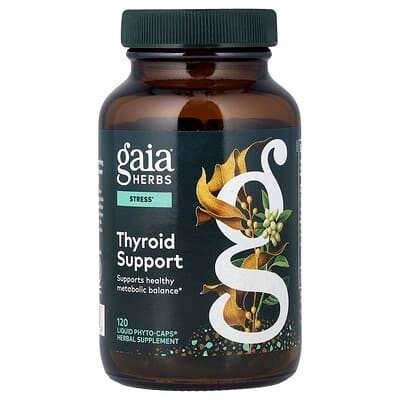
The product targets thyroid support rather than delivering a well-characterized ashwagandha serving. The larger bottle provides sixty servings, though serving cost remains high for the small ashwagandha amount.
Unknown blend composition and absent withanolide standardization make both effectiveness and interaction assessment difficult. Start with the lowest practical serving and judge tolerance before making it a regular part of the routine.
Ashwagandha and iodine sources are partly identified, while a proprietary extract blend prevents full form assessment. Low ashwagandha potency, ambiguous iodine, and an opaque blend make the formula difficult to judge safely.
Ashwagandha is quantified, while the proprietary blend hides its components and iodine appears twice. A proprietary blend conceals component-level doses.
The supplied average is favorable, with very large response volume. Complaint patterns and purpose-related experiences are not supplied.
The asking price is difficult to justify for the disclosed formula. Serving value is weak relative to the ashwagandha support provided.
| Ingredient | Amount per serving |
|---|---|
Calories | 5 Calorie(s) |
Total Carbohydrates | 2 Gram(s) |
Iodine (Brown Seaweed, Kelp) | 100 mcg |
Ashwagandha (Withania somnifera) root extract | 80 mg |
Proprietary Extract Blend | 630 mg |
Reported customer feedback averages 4.66 out of 5 across 3,531 reviews. An unbranded extract without marker standardization limits ingredient-form confidence; the exact milligram quantity is transparent, but dose alignment is limited or uncertain. Ashwagandha may affect thyroid function and has rare liver-injury reports, so pregnancy, thyroid or liver concerns, and potentially interacting medicines warrant clinician guidance.