

Nutrient quality
Vitamin D3 complements calcium, but carbonate is less flexible than citrate. The oversized calcium serving is the main weakness and should be divided.
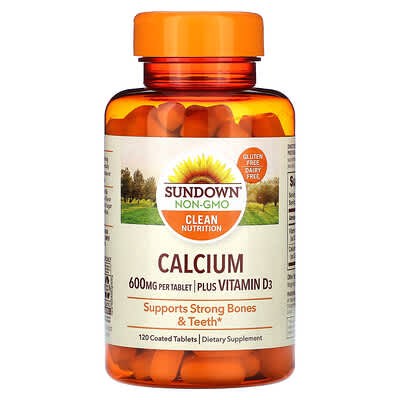
.
 iHerb iHerb | $ 8.54 | |
 Walmart Walmart | $ 11.56 |
The formula pairs calcium carbonate with vitamin D3, supplying mineral and support for calcium use. That pairing is coherent for people with confirmed dietary gaps.
The full serving contains substantially more calcium than is generally absorbed efficiently at once. Taking the tablets at separate meals may improve use and tolerance if the label directions allow it.
Carbonate should be taken with food and may be less dependable for people with low stomach acid. The product fits a high-intake plan only when the serving can be managed across the day.
Vitamin D3 complements calcium, but carbonate is less flexible than citrate. The oversized calcium serving is the main weakness and should be divided.
.Active amounts and serving counts are mostly clear from the supplied label facts. Missing non-active ingredients and complete directions leave practical disclosure gaps.
.The aggregate rating is strong and based on a limited feedback volume. Specific experience details are missing, so recurring problems and purpose fit remain uncertain.
.The ordinary calcium form and oversized serving limit quality relative to the cost. Serving value is only fair because the full amount is inefficient if taken together.
.
Calcium and vitamin D3 directly support bone mineral supply and absorption. Their evidence is well established, though the formula omits vitamin K, magnesium, and matrix support.
The calcium serving is large for one sitting and uses acid-dependent carbonate, while vitamin D3 provides a useful cofactor. A focused two-nutrient design is coherent and free of padding but does not cover the full skeletal system.
| Ingredient | Amount per serving |
|---|---|
Vitamin D (Cholecalciferol, Vitamin D3) | 6 mcg |
Calcium (Calcium Carbonate) | 1200 mg |
Calcium carbonate is common but depends more on food and stomach acid for absorption. The 1,200 mg serving is inefficient because it exceeds the single-dose absorption ceiling. Calcium can reduce absorption of levothyroxine and tetracycline or quinolone antibiotics, so doses should be separated.
Published studies used for the product analysis and the top-ranked studies for each ingredient and goal.