
Nutrient quality
Ginseng and black cohosh markers are partly described, while green tea lacks catechin standardization. Useful botanical doses are present, but unclear green tea potency and a mixed purpose reduce coherence.
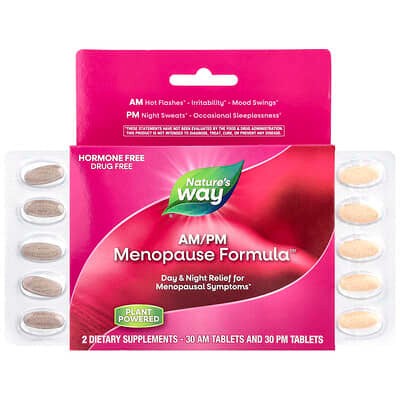
 Vitacost Vitacost | $ 20.94 | |
 iHerb iHerb | $ 21.35 | |
 Pure Formulas Pure Formulas | $ 18.52 | |
| Vitacost | $ 20.94 |
Green-tea extract at 250 mg, Asian-ginseng extract at 100 mg, and black-cohosh extract at 20 mg provide a concise three-botanical formula. Ginsenosides and triterpene glycosides are named, but their standardization percentages are not supplied.
Ginseng may support daytime energy, while black cohosh is more narrowly aligned with menopausal symptoms. Green tea adds potential catechins and caffeine, but neither EGCG nor stimulant exposure is disclosed.
One morning tablet is convenient and avoids a large blend. The formula fits users deliberately seeking its combined purpose, though the ingredients do not form a broad anti-aging, skin, or cognitive product.
Ginseng and black cohosh markers are partly described, while green tea lacks catechin standardization. Useful botanical doses are present, but unclear green tea potency and a mixed purpose reduce coherence.
All three botanical amounts are stated clearly. No proprietary blend hides the listed active doses.
The supplied average is positive, with moderate response volume. Complaint patterns and purpose-related experiences are not supplied.
The asking price is difficult to justify for the disclosed formula. Serving value is weak relative to the green tea support provided.

Green tea may support alertness and ginseng may help mental stamina, creating a plausible daytime cognitive combination. Their active caffeine and ginsenoside yields are not fully disclosed, while black cohosh has little direct focus or memory value.
Evidence is moderate for ginseng-related fatigue support but less consistent for broad cognitive improvement. Unknown caffeine exposure from green tea may disturb sleep or cause jitters in sensitive users.

Green tea and ginseng may support antioxidant defense, metabolic resilience, and energy, while black cohosh addresses a narrower life-stage concern. The combination has some healthy-aging relevance but lacks a clear, unified longevity strategy.
Green tea does not disclose EGCG or caffeine, and ginseng does not state a ginsenoside percentage. Unknown stimulant exposure may worsen restlessness or sleep in sensitive users.

Green tea extract can modulate inflammatory signaling and oxidative stress through its polyphenols. Green tea has meaningful human and mechanistic evidence, especially when EGCG content is known.
The 250 mg extract amount cannot be judged well because EGCG and total polyphenols are not disclosed. Lack of standardization and caffeine disclosure substantially weakens confidence in the active form.
| Ingredient | Amount per serving |
|---|---|
Green Tea leaf extract | 250 mg |
Asian Ginseng root extract (Ginsenosides) | 100 mg |
Black Cohosh root and rhizome extract (Triterpene Glycosides) | 20 mg |
Green tea extract is the leading ingredient, but its active-marker content is not standardized. Caffeine exposure and EGCG dosing remain unclear. Value for active EGCG cannot be established.
Published studies used for the product analysis and the top-ranked studies for each ingredient and goal.