Nutrient quality
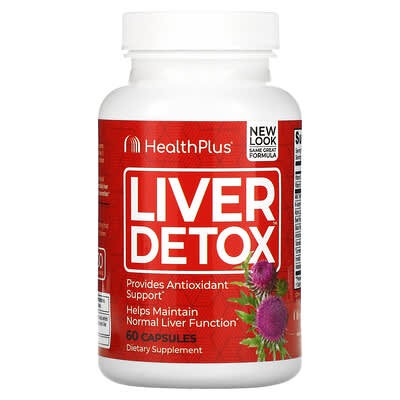
The ingredient selection is coherent, but the botanical doses are modest and poorly standardized. An implausibly large stated astaxanthin dose creates a major safety and data-quality concern.
.
 Amazon Amazon | $ 23.62 | |
 iHerb iHerb | $ 23.62 | |
 Pure Formulas Pure Formulas | $ 23.62 |
Milk thistle, artichoke, dandelion, beet, turmeric, and black radish provide a broad liver-oriented ingredient list. Vitamin B6 and B12 add basic nutrient support at a low serving cost.
Each principal herb is supplied at only 90 mg or less, and key active markers such as silymarin and curcuminoids are not stated. Cyanocobalamin is a standard B12 form, while turmeric powder lacks an absorption strategy.
The supplied label lists astaxanthin at 500 mg, an amount that is difficult to reconcile with typical capsule formulas and should be verified before purchase. Until that figure and the botanical specifications are confirmed, the product is better viewed as a low-depth blend than a precise liver formula.
The ingredient selection is coherent, but the botanical doses are modest and poorly standardized. An implausibly large stated astaxanthin dose creates a major safety and data-quality concern.
.The main active amounts are generally available and no broad proprietary blend obscures the formula. Complete usage directions and non-active ingredients are not supplied, while any noted duplicate or vague entries reduce clarity.
.Aggregate satisfaction is very strong and supported by a large evidence base. No firsthand experience details are supplied, so recurring complaints and purpose alignment remain uncertain.
.A long supply supports affordability. Low herbal doses and a major dose-verification concern prevent the formula from delivering dependable value.
.Vitamin B12 and vitamin B6 provide limited foundational support within a formula centered on liver-cleansing botanicals. Most botanical ingredients are present at modest amounts and lack standardized active markers.
The label discloses individual quantities, which is helpful, but cyanocobalamin is a less preferred B12 form. The specialized blend has weaker relevance to broad daily nutrition than a conventional vitamin or mineral formula.
| Ingredient | Amount per serving |
|---|---|
Vitamin B6 (Pyridoxine Hydrochloride) | 10 mg |
Vitamin B12 (Cyanocobalamin) | 100 mcg |
Artichoke leaf extract | 90 mg |
Beet | 90 mg |
Dandelion | 90 mg |
Milk Thistle seed extract 4:1 | 90 mg |
Turmeric root powder | 90 mg |
Black Radish | 30 mg |
Inositol | 10 mg |
Astaxanthin | 500 mg |
The listed astaxanthin amount is far beyond usual supplemental ranges, creating a major dosing concern or possible label-data error. No source, branded standard, lipid carrier, or oxidation protection is disclosed. The apparent cost efficiency therefore should not be treated as meaningful evidence of quality or suitability.
Cyanocobalamin is a less preferred B12 form, while the swallowed capsule provides standard rather than optimized absorption. The 100 mcg amount is suited only to basic maintenance rather than higher needs. Cost per active amount remains unfavorable.
The seed source and concentrated extract ratio are disclosed, but no silymarin standardization is given. A plain capsule provides no identified absorption support. The inexpensive serving cannot be tied to a verified active dose.
Published studies used for the product analysis and the top-ranked studies for each ingredient and goal.