Impact
Situational effect
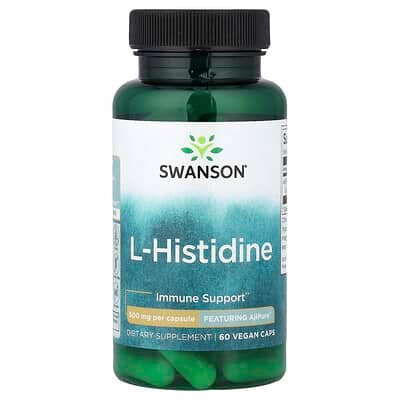
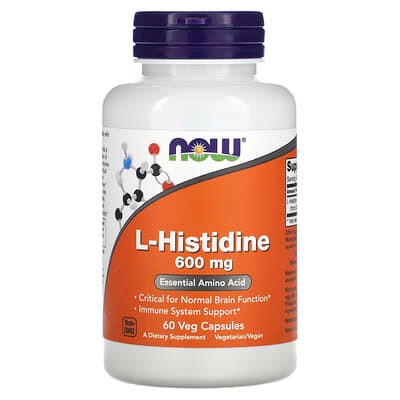
Typical dose:500–1000 mg
While histidine is an essential amino acid involved in neuronal health, supplementation for direct cognitive benefit is not well-established. Its role is supportive and foundational rather than for acute enhancement. Benefits are most likely seen only in cases of dietary insufficiency, which is rare.
Study evidence
2 studiesHistidine shows preliminary promise for reducing mental fatigue and improving selected cognitive tasks in people with fatigue and disrupted sleep. Higher dietary intake is also associated with better memory, but neither finding establishes broad brain protection or prevention of cognitive decline.
View goal