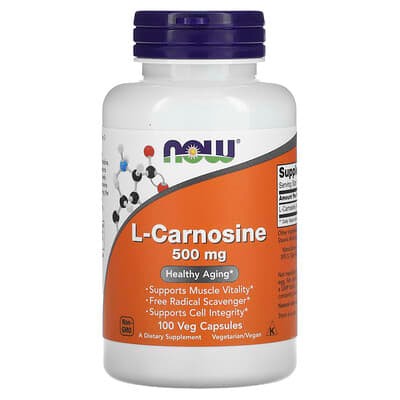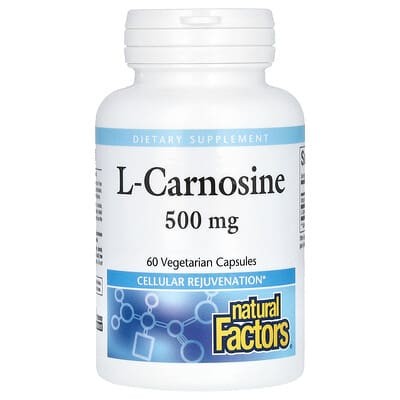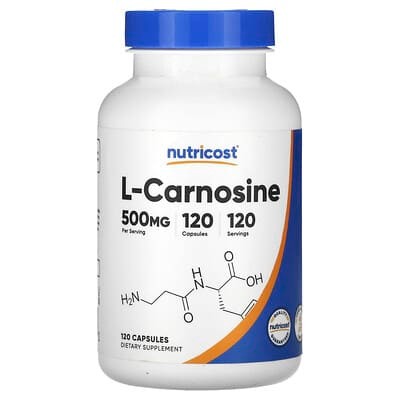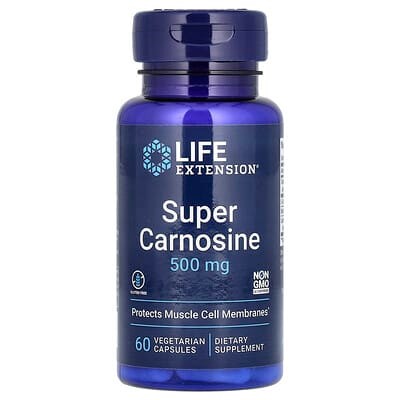
Carnosine

non-nutrient_non-botanical

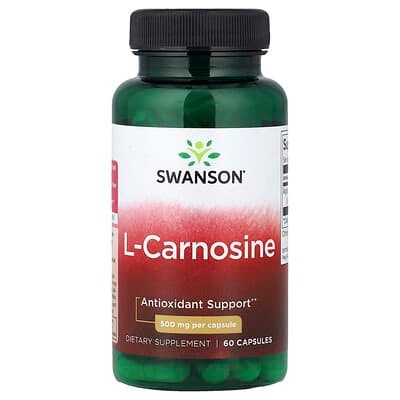
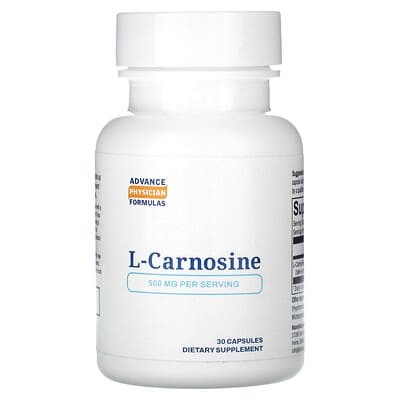
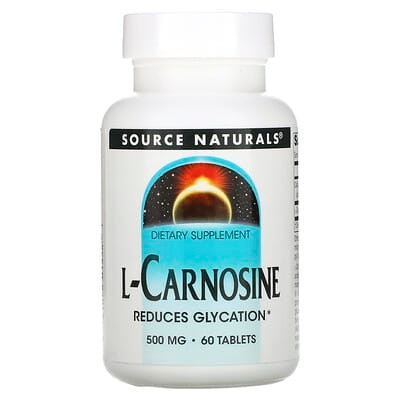
Carnosine is a dipeptide composed of the amino acids beta-alanine and histidine, predominantly found in muscle and brain tissue. It is synthesized within the body and plays a role in cellular health, particularly in tissues with high energy demands or exposure to oxidative stress. Biological functions include acting as an antioxidant to neutralize free radicals and reactive oxygen species and as an anti-glycating agent to prevent the formation of advanced glycation end products (AGEs) associated with cellular aging and disease. It also provides pH-buffering capacity, which helps maintain optimal acidity levels in muscle cells during intense physical activity. Because of these properties, the compound is studied for its potential to support muscle performance, promote healthy aging, and protect tissues from oxidative damage. It is frequently used to assist athletic performance, support cognitive function, and provide general cellular protection.

Natural sources
Meat (beef, pork, lamb, poultry)Fish

No public comparison lists found.

Optimal Dosage
Minimum500 mg
Maximum1500 mg
Safety & Toxicity
Toxicity Threshold3000 mg
Toxicity EffectNone known; limited data
3 safety notes
  • Individuals with pre-existing medical conditions, particularly kidney disease, should consult a healthcare professional before use.
  • Pregnant or breastfeeding women should avoid use due to insufficient safety data.
  • Do not exceed recommended dosages as high amounts may intensify the tingling sensation.
Goals
Anti-Aging
Impact
High effect
Typical dose:500–2000 mg
Glycation is a process where sugar molecules bind to proteins, impairing their function and leading to cellular damage. Carnosine is one of the most effective agents at preventing this process. By protecting proteins in the skin, brain, and arteries from glycation, it helps maintain tissue elasticity and function, directly targeting a fundamental driver of aging.

Study evidence

6 studies

Carnosine-containing products show preliminary benefits for selected skin and memory measures, but they have not been shown to slow aging overall. Most relevant human findings involve combinations or specialized formulations, making the contribution of carnosine alone uncertain.

View goal

Brain Health
Impact
Moderate effect
Typical dose:500–1500 mg
Carnosine is a protective agent that helps shield brain cells from long-term damage caused by oxidative stress and advanced glycation end-products (AGEs). While its benefits are significant for cellular health and aging, it does not typically produce immediate or directly felt nootropic effects like enhanced focus or memory, making it a supportive, rather than primary, agent for cognitive performance.

Study evidence

9 studies

Carnosine-containing supplements show possible benefits for selected memory and thinking measures, but results are inconsistent. Much of the favorable evidence uses combinations with other ingredients, and the supplied research does not establish that Carnosine alone broadly protects brain health or prevents dementia.

View goal
Anti-Inflammatory Support
Impact
Situational effect
Typical dose:500–1500 mg
Carnosine's main strength is in its anti-glycation properties, preventing the formation of advanced glycation end-products (AGEs) that are a source of chronic inflammation. This makes it a supportive, situational supplement for managing inflammation driven by high blood sugar and metabolic dysfunction, rather than a direct, potent anti-inflammatory agent.

Study evidence

7 studies

Carnosine may reduce some markers of inflammation, but human findings are inconsistent and do not establish broad anti-inflammatory benefits. Positive results mainly concern selected clinical populations, and research on related compounds or zinc-carnosine products cannot be attributed to carnosine alone.

View goal
Cardiovascular Support
Impact
Situational effect
Typical dose:500–1500 mg
Carnosine is a dipeptide with potent antioxidant and anti-glycation properties. It helps protect proteins and lipids in heart and blood vessel tissue from damage caused by advanced glycation end-products (AGEs), which contribute to arterial stiffening. Its role is supportive, particularly in contexts of metabolic stress.

Study evidence

6 studies

Carnosine may improve selected cardiovascular risk markers, particularly triglycerides, but results are inconsistent. Research on enriched foods also suggests possible blood-vessel benefits; neither these findings nor supplement studies establish that carnosine prevents or treats cardiovascular disease.

View goal

Studies

Research connections will load here.
Interactions
Sources

Up to five highest-ranked published examples per goal. Study counts and charts include all published studies for the connection.

  1. Anserine/Carnosine Supplementation Preserves Blood Flow in the Prefrontal Brain of Elderly People Carrying APOE e4.
    Ding Q; Tanigawa K; Kaneko J; Totsuka M; Katakura Y; Imabayashi E; Matsuda H; Hisatsune T · Aging and disease · 2020
    Randomized trial68 participantsAnti-Aging
  2. Skin beautification with oral non-hydrolized versions of carnosine and carcinine: Effective therapeutic management and cosmetic skincare solutions against oxidative glycation and free-radical production as a causal mechanism of diabetic complications and skin aging.
    Babizhayev MA; Deyev AI; Savel'yeva EL; Lankin VZ; Yegorov YE · The Journal of dermatological treatment · 2013
    Randomized trial42 participantsAnti-Aging
  3. Telomere Attrition in Human Lens Epithelial Cells Associated with Oxidative Stress Provide a New Therapeutic Target for the Treatment, Dissolving and Prevention of Cataract with N-Acetylcarnosine Lubricant Eye Drops. Kinetic, Pharmacological and Activity-Dependent Separation of Therapeutic Targeting: Transcorneal Penetration and Delivery of L-Carnosine in the Aqueous Humor and Hormone-Like Hypothalamic Antiaging Effects of the Instilled Ophthalmic Drug Through a Safe Eye Medication Technique.
    Babizhayev MA; Yegorov YE · Recent patents on drug delivery & formulation · 2017
    Narrative reviewAnti-Aging
  4. Nutritional Strategies Targeting Glucose Metabolism to Slow Cognitive Aging: A Scoping Review of Human Trials.
    Fernando MG; Sullivan K; Simons M; Squillace A; Kiat H; Martins RN · The American journal of clinical nutrition · 2026
    Scoping review32 studies pooledAnti-Aging
  5. Multinuclear MRS at 7T Uncovers Exercise Driven Differences in Skeletal Muscle Energy Metabolism Between Young and Seniors.
    Krumpolec P; Klepochová R; Just I; Tušek Jelenc M; Frollo I; Ukropec J; Ukropcová B; Trattnig S; Krššák M; Valkovič L · Frontiers in physiology · 2021
    Cross-sectional studyAnti-Aging
  6. A preliminary, randomized, double-blind, placebo-controlled trial of L-carnosine to improve cognition in schizophrenia.
    Chengappa KN; Turkin SR; DeSanti S; Bowie CR; Brar JS; Schlicht PJ; Murphy SL; Hetrick ML; Bilder R; Fleet D · Schizophrenia research · 2013
    Randomized trialBrain Health
  7. Carnosine treatment for gulf war illness: a randomized controlled trial.
    Baraniuk JN; El-Amin S; Corey R; Rayhan R; Timbol C · Global journal of health science · 2013
    Randomized trial25 participantsBrain Health
  8. Carnosine supplementation improves cognitive outcomes in younger participants of the NEAT trial.
    O'Toole TE; Amraotkar AR; Gao H; Sears CG; Rai SN; Basner M; Bhatnagar A · Neurotherapeutics : the journal of the American Society for Experimental NeuroTherapeutics · 2025
    Randomized trial299 participantsBrain Health
  9. Anserine and carnosine supplementation in the elderly: Effects on cognitive functioning and physical capacity.
    Szcześniak D; Budzeń S; Kopeć W; Rymaszewska J · Archives of gerontology and geriatrics · 2014
    Observational studyBrain Health
  10. Histidine-containing dipeptide supplementation improves delayed recall: a systematic review and meta-analysis.
    Bell SM; Hariharan R; Laud PJ; Majid A; de Courten B · Nutrition reviews · 2024
    Meta-analysis10 studies pooledBrain Health
  11. Carnosine-Enriched Chicken Meat Improves Microvascular Function and Anti-Inflammatory Phenotype in Patients with Chronic Coronary Syndrome.
    Uršić D; Kolobarić N; Drenjančević I; Mihaljević Z; Šušnjara P; Stupin A; Jukić I; Kibel A · Nutrients · 2026
    Randomized trial38 participantsAnti-Inflammatory SupportCardiovascular Support
  12. L-Carnosine protects against Oxaliplatin-induced peripheral neuropathy in colorectal cancer patients: A perspective on targeting Nrf-2 and NF-κB pathways.
    Yehia R; Saleh S; El Abhar H; Saad AS; Schaalan M · Toxicology and applied pharmacology · 2019
    Randomized trial65 participantsAnti-Inflammatory Support
  13. l-Carnosine supplementation attenuated fasting glucose, triglycerides, advanced glycation end products, and tumor necrosis factor-α levels in patients with type 2 diabetes: a double-blind placebo-controlled randomized clinical trial.
    Houjeghani S; Kheirouri S; Faraji E; Jafarabadi MA · Nutrition research (New York, N.Y.) · 2019
    Randomized trial54 participantsCardiovascular SupportAnti-Inflammatory Support
  14. The role of Zinc L-Carnosine in the prevention and treatment of gastrointestinal mucosal disease in humans: a review.
    Efthymakis K; Neri M · Clinics and research in hepatology and gastroenterology · 2022
    Narrative reviewAnti-Inflammatory Support
  15. The Effect of a Zinc-L-Carnosine Mouthwash in the Management of Oral Surgical Wounds: Preliminary Results of a Prospective Cohort Study.
    Dell'Olio F; Siciliani RA; Novielli G; Tempesta A; Favia G; Limongelli L · Dentistry journal · 2023
    Cohort studyAnti-Inflammatory Support
  16. Carnosine and histidine-containing dipeptides improve dyslipidemia: a systematic review and meta-analysis of randomized controlled trials.
    Menon K; Marquina C; Hoj P; Liew D; Mousa A; de Courten B · Nutrition reviews · 2021
    Meta-analysis913 participants21 studies pooledCardiovascular Support
  17. Effect of carnosine supplementation on lipid profile, fasting blood glucose, HbA1C and insulin resistance: A systematic review and meta-analysis of long-term randomized controlled trials.
    Peng W; Mao P; Liu L; Chen K; Zhong Y; Xia W; Guo Q; Tan SC; Rahmani J; Kord Varkaneh H; He P · Complementary therapies in medicine · 2020
    Meta-analysis184 participants4 studies pooledCardiovascular Support
  18. Effect of L-Carnosine in Patients with Age-Related Diseases: A Systematic Review and Meta-Analysis.
    Sureshkumar K; Durairaj M; Srinivasan K; Goh KW; Undela K; Mahalingam VT; Ardianto C; Ming LC; Ganesan RM · Frontiers in bioscience (Landmark edition) · 2023
    Meta-analysis14 studies pooledCardiovascular Support