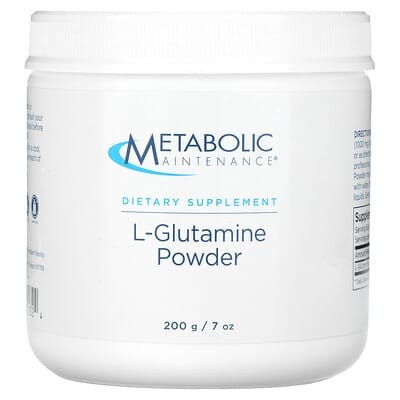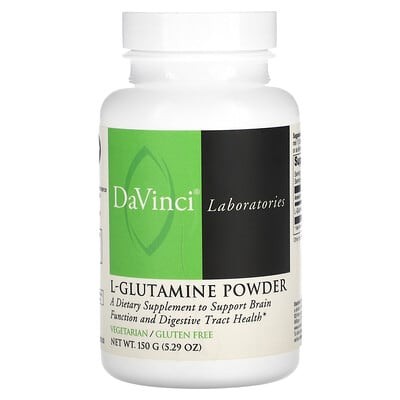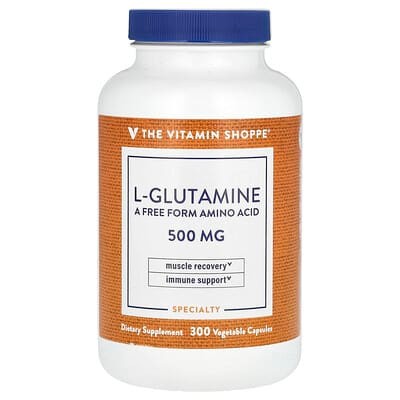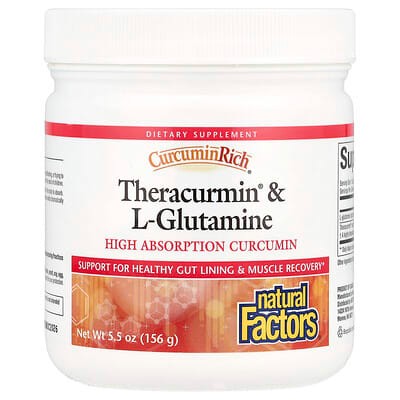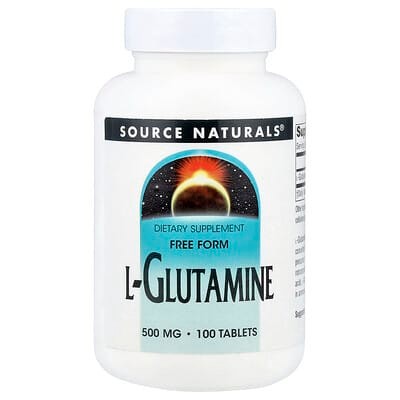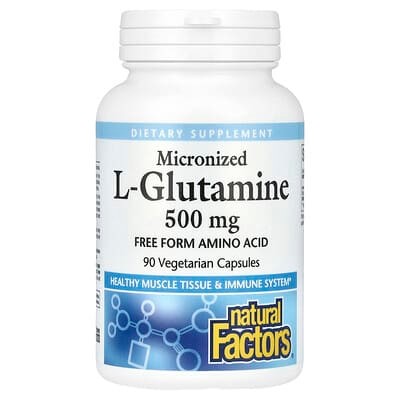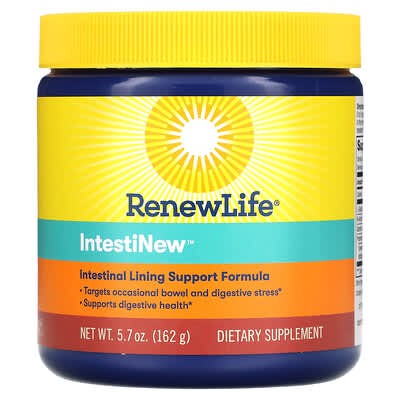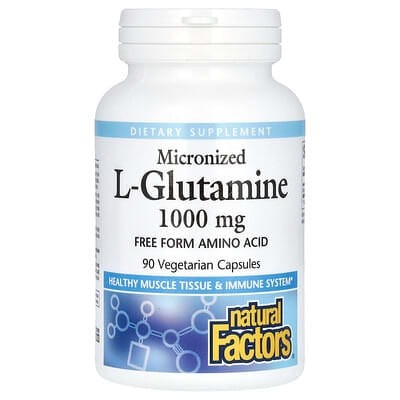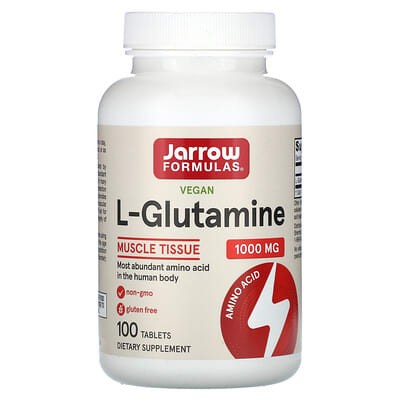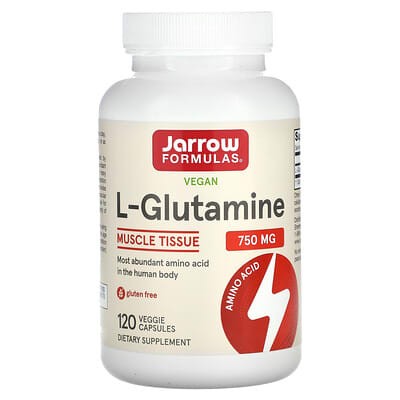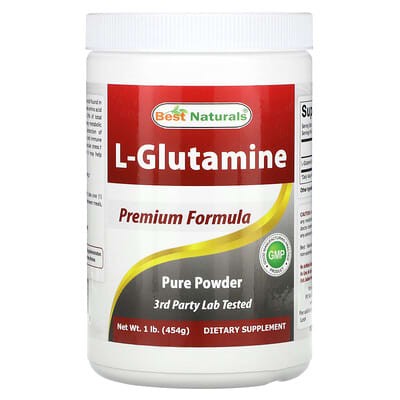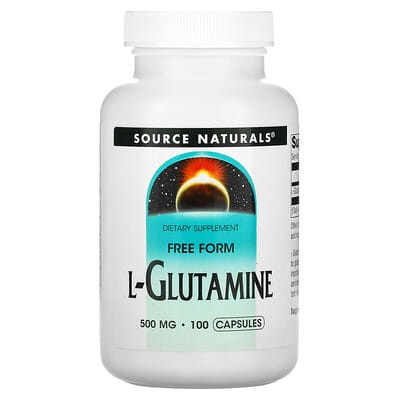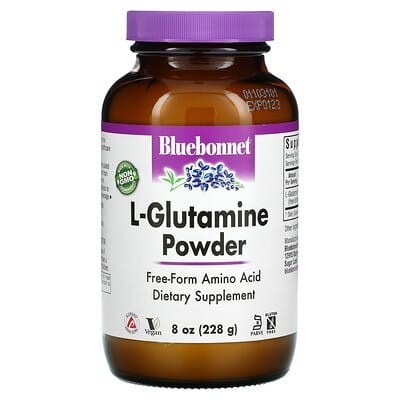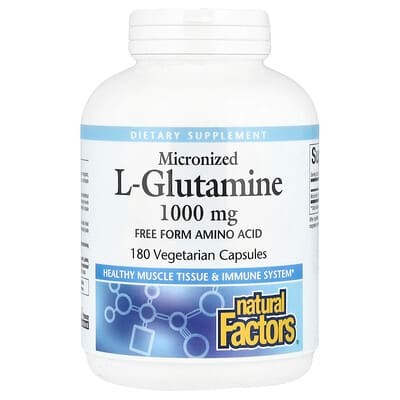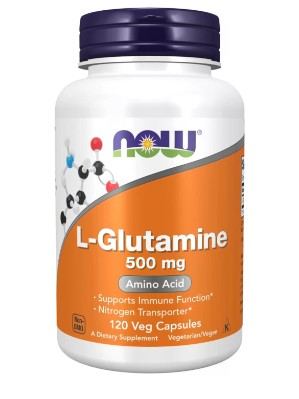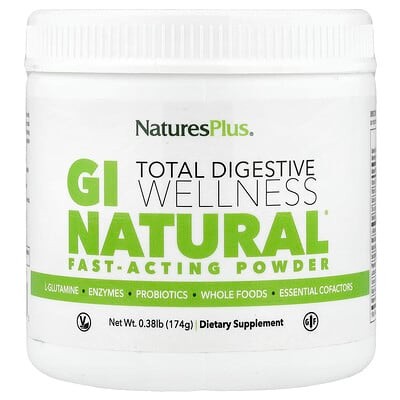
Glutamine

amino acid

Glutamine is a non-essential amino acid that the body synthesizes naturally, though it becomes conditionally essential during physiological stresses such as intense exercise, critical illness, or trauma. It is the most abundant amino acid in the bloodstream and is vital for protein synthesis, nitrogen transport, and maintaining the integrity of the intestinal lining. It fuels rapidly dividing cells, particularly immune cells and enterocytes, the cells lining the gut. In addition to its role in cellular metabolism, glutamine supports the immune system by supporting the growth and function of lymphocytes and macrophages. It is also critical for digestive health, helping repair and maintain the intestinal barrier, which can be compromised during stress or illness. Athletes often use it to support muscle protein synthesis and reduce soreness after strenuous physical activity. Glutamine acts as a precursor for other molecules, including the antioxidant glutathione and various amino acids. It also assists in maintaining acid-base balance and removing excess ammonia from the system. Because of these diverse functions, it is often supplemented to support immune health, athletic performance and recovery, and overall digestive well-being.

Natural sources
BeefChickenPorkFishEggsDairy products (milk, yogurt, cheese)SpinachParsleyCabbageBeetsBeansLentils

No public comparison lists found.

Optimal Dosage
Minimum5000 mg
Maximum10000 mg
Safety & Toxicity
4 safety notes
  • Individuals with liver disease, kidney disease, or Reye's syndrome should avoid glutamine supplementation unless advised by a healthcare professional.
  • Pregnant or breastfeeding women should consult a doctor before use.
  • Do not exceed recommended dosages.
  • Monitor for signs of allergic reaction, such as rash or difficulty breathing.
Goals
Digestive Health
Impact
Highest effect
Typical dose:5–15 g
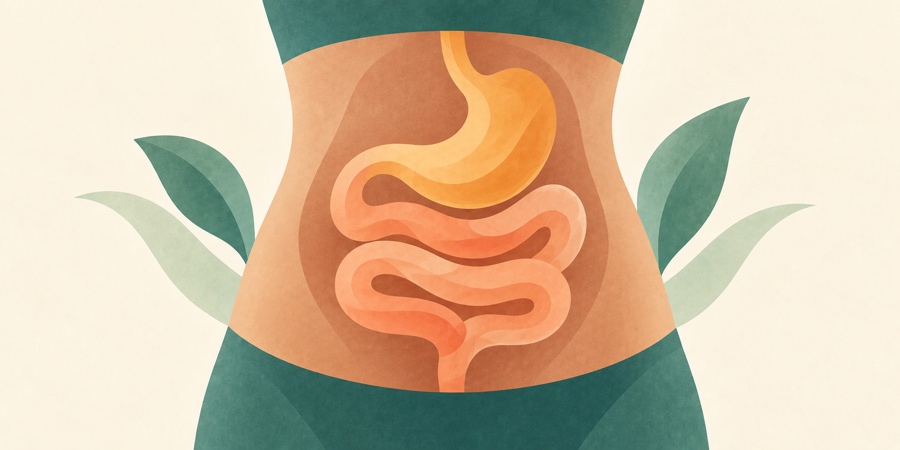
Glutamine is the primary energy source for enterocytes (cells lining the intestine). It plays a crucial role in maintaining tight junction integrity, preventing intestinal permeability (often called 'leaky gut'), and supporting tissue repair within the GI tract.

Study evidence

37 studies

Glutamine may support the intestinal barrier or reduce digestive complications in some medical settings, but results vary by condition. Evidence does not establish a general digestive benefit in healthy people, and improvements in gut markers do not always translate into fewer symptoms.

View goal

Detoxification
Impact
High effect
Typical dose:1000–5000 mg
Glutamine is the primary fuel for enterocytes, the cells lining the gut. A strong gut barrier prevents bacterial endotoxins like LPS from entering the bloodstream and traveling to the liver, thereby decreasing hepatic inflammation and the overall detoxification burden.

Study evidence

8 studies

Glutamine participates in ammonia metabolism, but the supplied research does not establish a general detoxification benefit from oral supplements. Favorable findings largely concern specialized medical nutrition and liver-related care, and liver enzyme elevations have occurred in some intravenous nutrition settings.

View goal
Immunity
Impact
Moderate effect
Typical dose:2–10 g
During illness or stress, immune cells like lymphocytes and macrophages have a high demand for glutamine as their preferred energy source. Supplementation supports their optimal function and proliferation. It also strengthens the gut lining, preventing pathogens from entering the bloodstream.

Study evidence

36 studies

Glutamine supports immune-cell function, and supplementation may reduce infections in some surgical or severely ill patients receiving specialized nutrition. These clinical findings do not establish that ordinary oral Glutamine improves everyday immunity, and evidence for protecting athletes from exercise-related immune changes is unconvincing.

View goal

Studies

Research connections will load here.
Interactions
Sources

Up to five highest-ranked published examples per goal. Study counts and charts include all published studies for the connection.

  1. Effect of perioperative glutamine-enriched nutritional support on patients with colorectal cancer: A systematic review and meta-analysis.
    Huang Y; Yang XZ; Qin SH; Zhang T; Xie M; Wang JW · World journal of gastrointestinal surgery · 2026
    Meta-analysis1,643 participants27 studies pooledDigestive HealthImmunity
  2. Glutamine prevents diarrhea in colorectal cancer patients undergoing chemotherapy or chemoradiotherapy: a meta-analysis.
    Chen L; Wang D; Meng C; Sun H; Li R; Miao G; Liu P · BMC gastroenterology · 2025
    Meta-analysis311 participants5 studies pooledDigestive Health
  3. Glutamine supplementation reduces markers of intestinal permeability during running in the heat in a dose-dependent manner.
    Pugh JN; Sage S; Hutson M; Doran DA; Fleming SC; Highton J; Morton JP; Close GL · European journal of applied physiology · 2018
    Randomized trial10 participantsDigestive Health
  4. Effect of glutamine supplementation on diarrhea, interleukin-8 and secretory immunoglobulin A in children with acute diarrhea.
    Yalçin SS; Yurdakök K; Tezcan I; Oner L · Journal of pediatric gastroenterology and nutrition · 2004
    Randomized trial128 participantsDigestive Health
  5. Improvement of intestinal permeability with alanyl-glutamine in HIV patients: a randomized, double blinded, placebo-controlled clinical trial.
    Leite RD; Lima NL; Leite CA; Farhat CK; Guerrant RL; Lima AA · Arquivos de gastroenterologia · 2013
    Randomized trial46 participantsDigestive Health
  6. Efficacy of glutamine supplementation in postoperative patients undergoing hepatic surgery: a systematic review and meta-analysis of randomized controlled trials.
    Meng X; Zhang M; Wang X · Clinics (Sao Paulo, Brazil) · 2026
    Meta-analysis1,198 participants18 studies pooledDetoxification
  7. Glutamine supplementation in preterm infants receiving parenteral nutrition leads to an early improvement in liver function.
    Wang Y; Cai W; Tao YX; Tang QY; Feng Y; Wu J · Asia Pacific journal of clinical nutrition · 2014
    Randomized trial30 participantsDetoxification
  8. Parenteral glutamine protects hepatic function during bone marrow transplantation.
    Brown SA; Goringe A; Fegan C; Davies SV; Giddings J; Whittaker JA; Burnett AK; Poynton CH · Bone marrow transplantation · 1998
    Randomized trial34 participantsDetoxification
  9. Protective effect of parenteral glutamine supplementation on hepatic function in very low birth weight infants.
    Wang Y; Tao YX; Cai W; Tang QY; Feng Y; Wu J · Clinical nutrition (Edinburgh, Scotland) · 2010
    Randomized trial30 participantsDetoxification
  10. A multistrain probiotic increases the serum glutamine/glutamate ratio in patients with cirrhosis: a metabolomic analysis.
    Laghi L; Román E; Lan Q; Nieto JC; Canalda-Baltrons A; Poca M; Sánchez-Rodríguez MB; Clària J; Alvarado E; Cuyàs B; Sánchez E; Vidal S; Guarner C; Escorsell À; Manichanh C; Soriano G · Hepatology communications · 2023
    Randomized trial32 participantsDetoxification
  11. Meta-analysis of Glutamine on Immune Function and Post-Operative Complications of Patients With Colorectal Cancer.
    Yang T; Yan X; Cao Y; Bao T; Li G; Gu S; Xiong K; Xiao T · Frontiers in nutrition · 2021
    Meta-analysis2,201 participants31 studies pooledImmunity
  12. Efficacy of Glutamine in Treating Severe Acute Pancreatitis: A Systematic Review and Meta-Analysis.
    Dong S; Zhao Z; Li X; Chen Z; Jiang W; Zhou W · Frontiers in nutrition · 2023
    Meta-analysis1,201 participants30 studies pooledImmunity
  13. Decreased mortality and infectious morbidity in adult burn patients given enteral glutamine supplements: a prospective, controlled, randomized clinical trial.
    Garrel D; Patenaude J; Nedelec B; Samson L; Dorais J; Champoux J; D'Elia M; Bernier J · Critical care medicine · 2003
    Randomized trial45 participantsImmunity
  14. Glutamine administration reduces Gram-negative bacteremia in severely burned patients: a prospective, randomized, double-blind trial versus isonitrogenous control.
    Wischmeyer PE; Lynch J; Liedel J; Wolfson R; Riehm J; Gottlieb L; Kahana M · Critical care medicine · 2001
    Randomized trial26 participantsImmunity