Histidine

amino acid

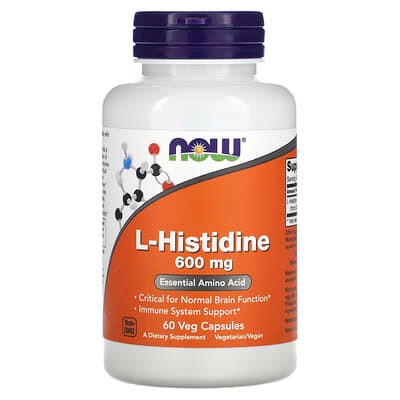
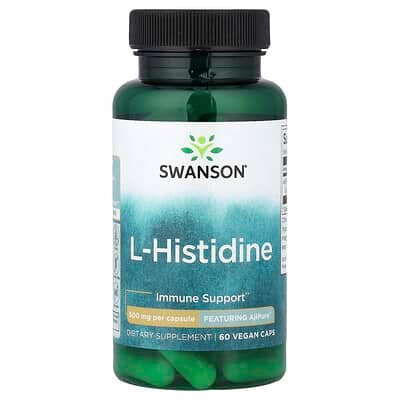
Histidine is one of the 20 common amino acids. It is essential because the body cannot produce it, so it must come from food or supplements. It serves as a building block for proteins and supports physiological processes related to growth and tissue repair. Its imidazole side chain provides a buffering capacity that helps regulate pH levels, particularly within muscle tissue. A significant role involves acting as a precursor to histamine, a compound that participates in immune responses, allergic reactions, stomach acid secretion, and neurotransmission. It is also used to produce carnosine, a dipeptide concentrated in muscle and brain tissue with antioxidant and anti-glycation properties. Furthermore, Histidine supports the formation of myelin sheaths that protect nerve cells and enable efficient nerve signaling and contributes to red blood cell production as a component of hemoglobin. Histidine supports immune function, contributes to protection against radiation damage, and can bind heavy metals through chelation. It is also important for maintaining healthy digestive function and neurological integrity.

Natural sources
Meat (beef, pork, poultry)Fish (tuna, salmon)EggsDairy products (milk, cheese)Legumes (lentils, beans)Nuts (peanuts, almonds)Seeds (chia, sesame)Grains (rice, wheat, oats)

Ingredient forms

No public comparison lists found.

Optimal Dosage
Minimum500 mg
Maximum1500 mg
Safety & Toxicity
4 safety notes
  • Individuals with bipolar disorder or gout should consult a healthcare professional before taking Histidine supplements.
  • Pregnant or nursing women should consult their doctor before use.
  • High doses may exacerbate histamine-related conditions, such as allergies or asthma, in sensitive individuals.
  • Do not exceed recommended dosages without professional guidance.
Goals
Brain Health
Impact
Situational effect
Typical dose:500–1000 mg
While histidine is an essential amino acid involved in neuronal health, supplementation for direct cognitive benefit is not well-established. Its role is supportive and foundational rather than for acute enhancement. Benefits are most likely seen only in cases of dietary insufficiency, which is rare.

Study evidence

2 studies

Histidine shows preliminary promise for reducing mental fatigue and improving selected cognitive tasks in people with fatigue and disrupted sleep. Higher dietary intake is also associated with better memory, but neither finding establishes broad brain protection or prevention of cognitive decline.

View goal
Studies

Research connections will load here.
Sources

Up to five highest-ranked published examples per goal. Study counts and charts include all published studies for the connection.

  1. [Cross-sectional association between the amino acid intake and episodic memory in middle- and old-aged community dwellers].
    Kinoshita K; Otsuka R; Takada M; Tsukamoto-Yasui M; Nishita Y; Tange C; Tomida M; Shimokata H; Imaizumi A; Arai H · Nihon Ronen Igakkai zasshi. Japanese journal of geriatrics · 2021
    Cross-sectional study2,082 participantsBrain Health
  2. The effect of histidine on mental fatigue and cognitive performance in subjects with high fatigue and sleep disruption scores.
    Sasahara I; Fujimura N; Nozawa Y; Furuhata Y; Sato H · Physiology & behavior · 2016
    Randomized trial20 participantsBrain Health