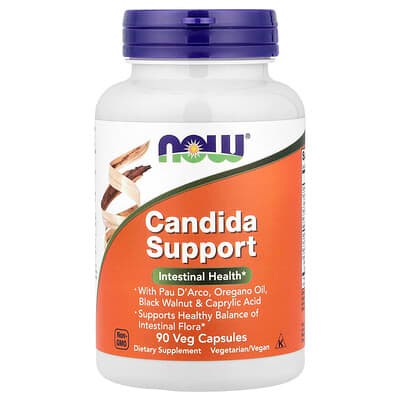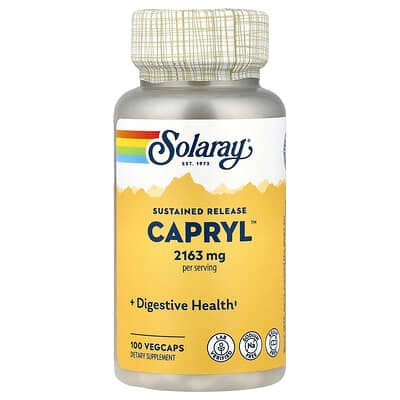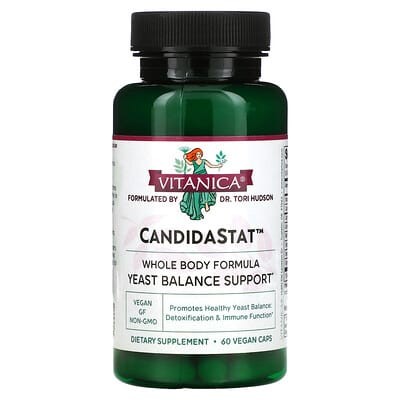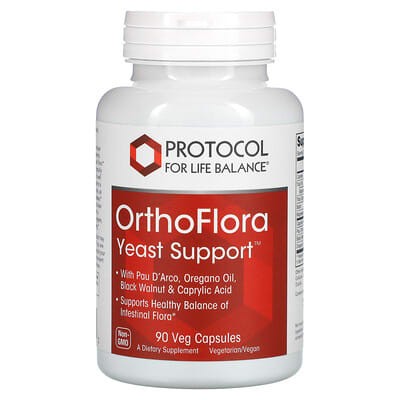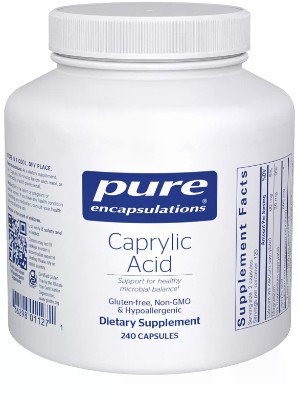
Caprylic Acid

fatty acid

Caprylic acid, also known as octanoic acid, is a saturated medium-chain fatty acid (MCFA) containing eight carbon atoms. Found naturally in coconut oil, palm kernel oil, and dairy products such as cow’s and goat’s milk, its molecular structure allows for rapid metabolism. Unlike longer-chain fatty acids, it does not require bile acids for digestion and is easily absorbed as an energy source. Its main functional properties are antimicrobial and antifungal. It disrupts the cell membranes of certain microorganisms, particularly yeasts such as Candida albicans, leading to their destruction. This property makes it a common choice for those seeking to maintain digestive well-being and a healthy internal environment. Caprylic acid also has industrial uses and is used as a food additive. In the body, it can be rapidly converted into ketones. This provides an alternative energy source for the brain and muscles, which may support cognitive function or ketogenic dietary goals.

Natural sources
Coconut oilPalm kernel oilHuman breast milkCow's milkGoat's milk

No public comparison lists found.

Optimal Dosage
Minimum5000 mg
Maximum15000 mg
Safety & Toxicity
4 safety notes
  • Pregnant or breastfeeding individuals should consult a healthcare professional before use.
  • Individuals with liver conditions should use caprylic acid with caution.
  • May potentially lower blood sugar levels; diabetics or those on blood sugar-lowering medications should monitor glucose closely.
  • Start with a low dose and gradually increase to assess tolerance.
Goals
Energy
Impact
Moderate effect
Typical dose:500–2000 mg
Caprylic acid is metabolized differently than other fats, being quickly converted into ketones by the liver. This offers a readily available, non-glucose-based fuel source, which can enhance mental clarity and physical energy, particularly for those on low-carb diets.

Study evidence

1 study

A triglyceride form of Caprylic Acid increases circulating ketones, which can serve as an alternative fuel for the brain. The supplied research measured fuel availability, not fatigue or alertness, so it does not establish a noticeable increase in everyday energy.

View goal

Cognitive Support
Impact
Situational effect
Typical dose:500–2000 mg
As a medium-chain triglyceride (MCT), caprylic acid is quickly converted into ketones by the liver. This provides an efficient energy source for the brain that is particularly useful for individuals on a ketogenic diet or in specific therapeutic contexts. Its benefit for general cognitive support in a glucose-fueled brain is not well-established, making 'VERY_EFFECTIVE' an overstatement.

Study evidence

1 study

Higher blood levels of caprylic acid have been linked to a lower likelihood of developing mild cognitive impairment in some groups of older adults. This observational evidence does not show that caprylic acid supplements improve cognition or prevent Alzheimer’s disease.

View goal
Digestive Health
Impact
Situational effect
Typical dose:350–1000 mg
Caprylic acid is primarily used to address gut dysbiosis, particularly Candida overgrowth, due to its ability to disrupt fungal cell membranes. Its application is specific and not intended for general, long-term digestive support.

Study evidence

No published studies for this goal yet.

View goal
Immunity
Impact
Situational effect
Typical dose:350–1000 mg
A significant portion of the immune system resides in the gut. Caprylic acid's main role is in controlling opportunistic fungi like Candida. For individuals whose immune system is burdened by gut dysbiosis, it can be situationally beneficial, but it is not a direct, general immune booster.

Study evidence

No published studies for this goal yet.

View goal

Studies

Research connections will load here.
Sources

Up to five highest-ranked published examples per goal. Study counts and charts include all published studies for the connection.

  1. Tricaprylin Alone Increases Plasma Ketone Response More Than Coconut Oil or Other Medium-Chain Triglycerides: An Acute Crossover Study in Healthy Adults
    Vandenberghe C, St-Pierre V, Pierotti T, Fortier M, Castellano CA, Cunnane SC · Current Developments in Nutrition · 2017
    Non-randomized trial9 participantsEnergy
  2. Association of Circulating Caprylic Acid with Risk of Mild Cognitive Impairment and Alzheimer's Disease in the Alzheimer's Disease Neuroimaging Initiative (ADNI) Cohort.
    Fan L; Zhu X; Borenstein AR; Huang X; Shrubsole MJ; Dugan LL; Dai Q · The journal of prevention of Alzheimer's disease · 2023
    Cohort study618 participantsCognitive Support