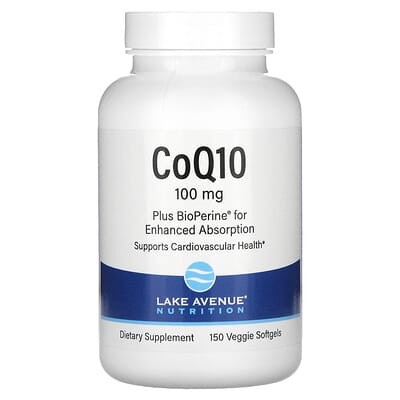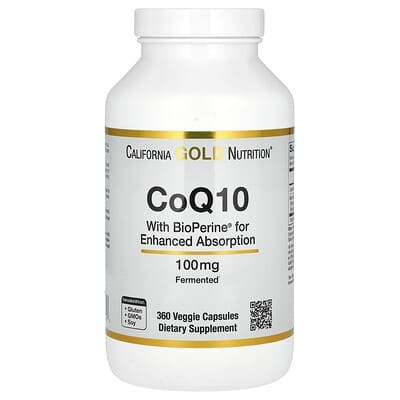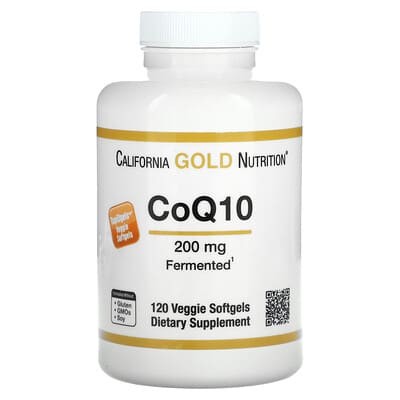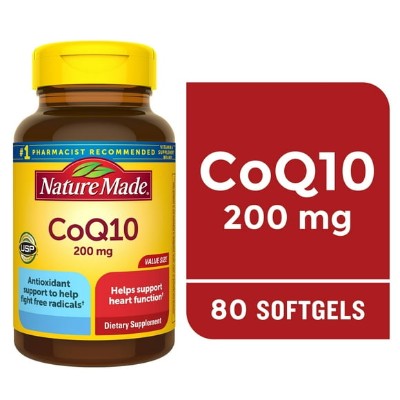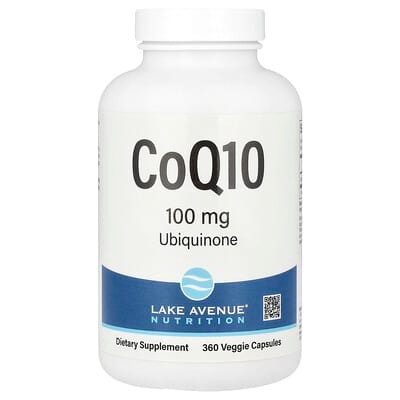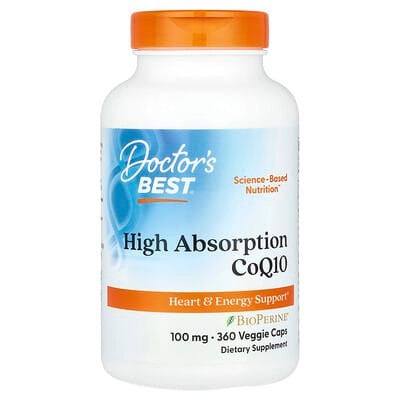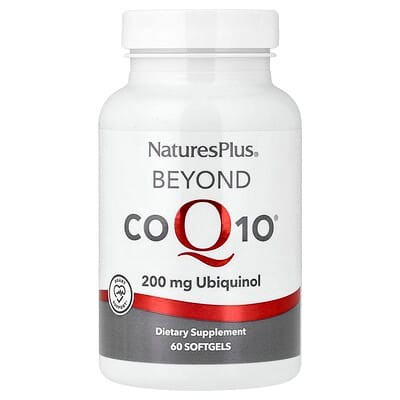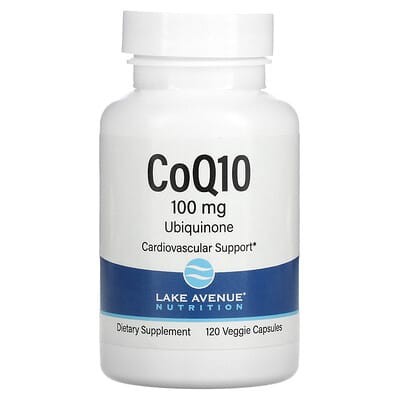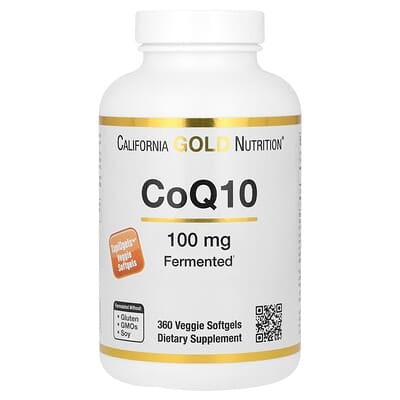
Coenzyme Q-10

non-nutrient_non-botanical

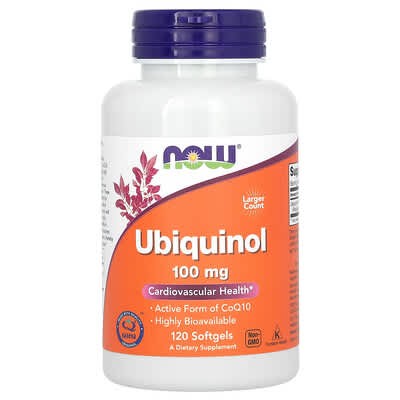
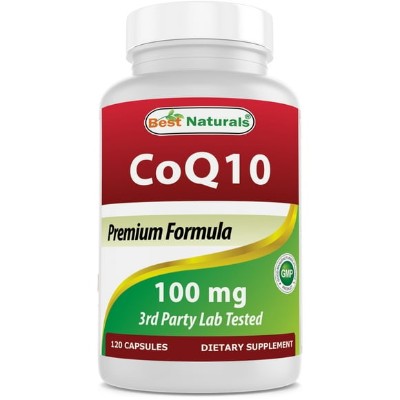
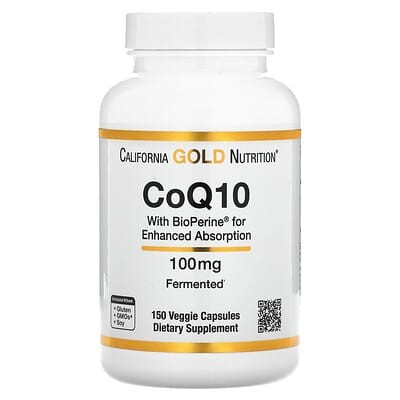
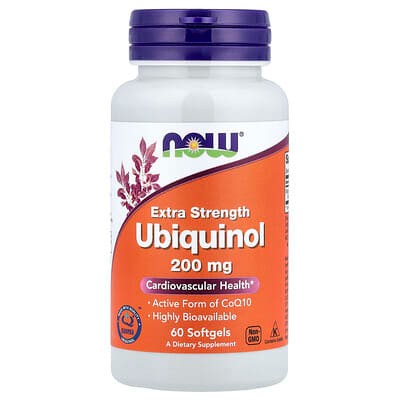
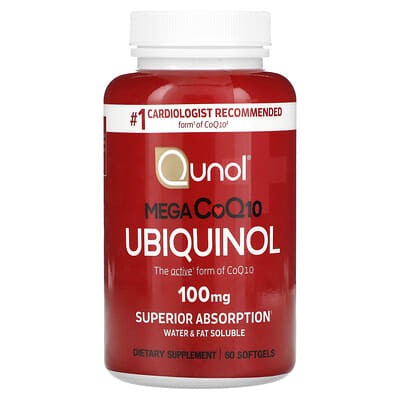
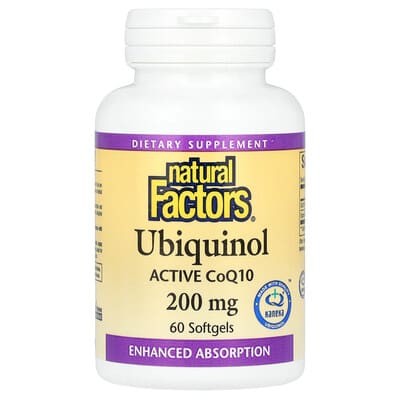
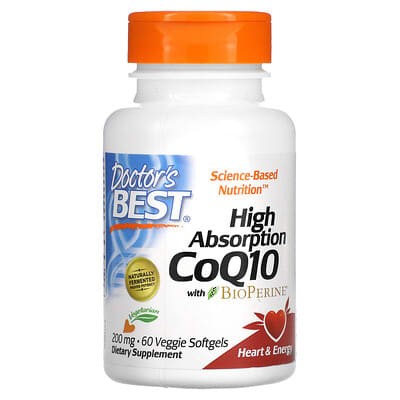
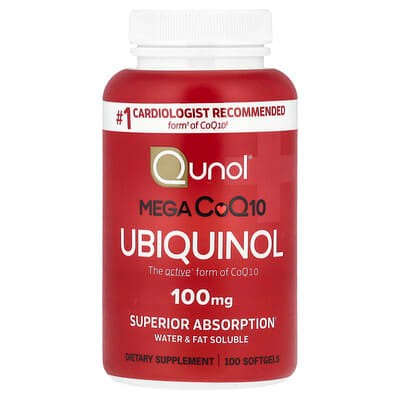
Coenzyme Q-10, also known as ubiquinone, is a fat-soluble, vitamin-like compound produced naturally in the body. It plays a vital role in the mitochondrial electron transport chain, where it is necessary for generating adenosine triphosphate (ATP), the primary energy source for cells. It is found in most tissues, with high concentrations in the heart, liver, and kidneys. In addition to energy metabolism, CoQ10 acts as a potent antioxidant. It helps protect cells from oxidative stress and free radical damage that can contribute to aging and other health problems. The compound exists in two forms: ubiquinone, the oxidized form, and ubiquinol, the reduced antioxidant form. The body converts ubiquinone into ubiquinol as needed. Levels of CoQ10 naturally decline with age and can be depleted by certain health conditions or medications. Supplementation is often used to restore levels, especially in people with deficiencies, and provide antioxidant and energy support for cardiovascular health, neurological function, and cellular health.

Natural sources
Organ meats (liver, heart, kidney)Fatty fish (salmon, tuna, mackerel)Whole grainsNutsSeedsVegetable oils (soybean, canola)BroccoliSpinach

No public comparison lists found.

Safety & Toxicity
4 safety notes
  • Pregnant or breastfeeding women should consult a healthcare professional before use.
  • Individuals with liver or kidney disease should use with caution.
  • May lower blood pressure; those with low blood pressure or on blood pressure medication should monitor carefully.
  • May affect blood sugar levels; diabetics should monitor closely.
Goals
Anti-Aging
Impact
Highest effect
Typical dose:100–400 mg
CoQ10 is essential for the function of high-energy organs like the heart, liver, and brain. Supplementing can help combat age-related declines in cellular energy, reduce oxidative stress, and support cardiovascular health. The ubiquinol form offers superior bioavailability.

Study evidence

6 studies

Coenzyme Q-10 has promising findings for some age-related conditions and skin changes, but the available research does not establish that oral supplementation slows aging. Benefits from combinations or topical products cannot be assumed for Coenzyme Q-10 supplements alone.

View goal

Cardiovascular Support
Impact
Highest effect
Typical dose:100–300 mg
Coenzyme Q10 (CoQ10) is a critical component of the mitochondrial electron transport chain, which generates cellular energy (ATP). The heart has a very high concentration of mitochondria and is highly dependent on CoQ10. Supplementation supports cardiac energy, improves heart function, and can help offset CoQ10 depletion caused by statin medications.

Study evidence

89 studies

Coenzyme Q-10 shows promise as an addition to usual treatment for chronic heart failure, including fewer serious cardiovascular events in some research. Its effects on blood pressure and cholesterol are inconsistent, and these findings do not establish broad heart protection for otherwise healthy people.

View goal
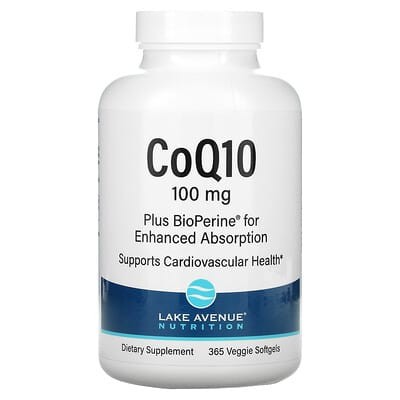
Heart Health
Impact
Highest effect
Typical dose:100–400 mg
CoQ10 is a critical component of the mitochondrial electron transport chain, directly involved in producing ATP, the body's energy currency. Statin drugs can deplete CoQ10 levels, making supplementation important for mitigating side effects and supporting cardiac energy.

Study evidence

114 studies

Coenzyme Q-10 may support some heart-health outcomes, especially as an addition to treatment for heart failure or cardiometabolic disease. Benefits vary across studies, and improvements in blood pressure, cholesterol or blood-vessel function do not establish general prevention of heart attacks or strokes.

View goal
Anti-Inflammatory Support
Impact
High effect
Typical dose:100–400 mg
CoQ10 is vital for cellular energy production and protects mitochondria from oxidative damage. By improving cellular bioenergetics and reducing oxidative stress, it effectively lowers systemic inflammatory markers like CRP, TNF-alpha, and IL-6.

Study evidence

46 studies

Coenzyme Q-10 can lower some inflammatory markers, with pooled trial evidence supporting an effect. Results vary across conditions and individual studies, and changes in blood markers do not by themselves establish meaningful relief of inflammatory symptoms or prevention of disease.

View goal
Energy
Impact
High effect
Typical dose:100–400 mg
CoQ10 is an antioxidant that every cell in the body needs to produce energy. Levels naturally decline with age and with the use of certain medications (like statins). Supplementing can help combat fatigue and improve physical performance, especially in older or deficient individuals.

Study evidence

32 studies

Coenzyme Q-10 may reduce fatigue, with pooled trials showing benefit in some healthy and clinical populations. Effects are not universal, and raising blood levels does not reliably improve physical performance or demonstrate a general boost in everyday energy.

View goal
Metabolism Boost
Impact
High effect
Typical dose:100–300 mg
CoQ10 is essential for cellular energy production. A higher metabolic rate demands more energy, and CoQ10 ensures the mitochondria can meet this demand efficiently. Supplementation can support energy levels, as natural production tends to decline with age.

Study evidence

11 studies

Coenzyme Q-10 may improve blood sugar and blood fat measures in people with metabolic disorders, but this is different from speeding up metabolism. The available trials do not show consistent improvements in muscle energy production, exercise capacity or fat burning.

View goal

Studies

Research connections will load here.
Interactions
Sources

Up to five highest-ranked published examples per goal. Study counts and charts include all published studies for the connection.

  1. Coenzyme Q10 and Degenerative Disorders Affecting Longevity: An Overview.
    Mantle D; Hargreaves I · Antioxidants (Basel, Switzerland) · 2020
    Narrative reviewAnti-Aging
  2. Coenzyme Q10 Supplementation in Aging and Disease.
    Hernández-Camacho JD; Bernier M; López-Lluch G; Navas P · Frontiers in physiology · 2022
    Narrative reviewAnti-Aging
  3. Coenzyme Q10, a cutaneous antioxidant and energizer.
    Hoppe U; Bergemann J; Diembeck W; Ennen J; Gohla S; Harris I; Jacob J; Kielholz J; Mei W; Pollet D; Schachtschabel D; Sauermann G; Schreiner V; Stäb F; Steckel F · BioFactors (Oxford, England) · 1999
    Clinical trialAnti-Aging
  4. Supplements and Drugs Are Associated With Biological Age in a Cohort of Exceptionally Healthy Individuals.
    Pabis K; Wang W; Selvarajoo K; Budovskaya YV; Sorrentino V; Gruber J; Kennedy BK · Aging cell · 2026
    Cross-sectional study4,260 participantsAnti-Aging
  5. Coenzyme Q10 supplementation raises plasma levels without improving mitochondrial function in older adults.
    Schmücker M; Tranberg C; Borch J; Kaae MK; Damgaard M; Flensted-Jensen M; Blom I; Morosetti M; Barbarossa S; Orlando P; Tiano L; Dela F; Helge JW; Larsen S · GeroScience · 2026
    Randomized trial40 participantsAnti-Aging
  6. Effects of Coenzyme Q10 Supplementation on Lipid Profiles in Adults: A Meta-analysis of Randomized Controlled Trials.
    Liu Z; Tian Z; Zhao D; Liang Y; Dai S; Liu M; Hou S; Dong X; Zhaxinima; Yang Y · The Journal of clinical endocrinology and metabolism · 2022
    Meta-analysis2,794 participants50 studies pooledHeart HealthCardiovascular Support
  7. Six-month supplementation with high dose coenzyme Q10 improves liver steatosis, endothelial, vascular and myocardial function in patients with metabolic-dysfunction associated steatotic liver disease: a randomized double-blind, placebo-controlled trial.
    Vrentzos E; Ikonomidis I; Pavlidis G; Katogiannis K; Korakas E; Kountouri A; Pliouta L; Michalopoulou E; Pelekanou E; Boumpas D; Lambadiari V · Cardiovascular diabetology · 2024
    Randomized trial60 participantsCardiovascular Support
  8. The effect of coenzyme Q10 on morbidity and mortality in chronic heart failure: results from Q-SYMBIO: a randomized double-blind trial.
    Mortensen SA; Rosenfeldt F; Kumar A; Dolliner P; Filipiak KJ; Pella D; Alehagen U; Steurer G; Littarru GP; Q-SYMBIO Study Investigators · JACC. Heart failure · 2015
    Randomized trial420 participantsCardiovascular Support
  9. [Coenzyme Q-10 in the treatment of patients with chronic heart failure and reduced left ventricular ejection fraction: systematic review and meta-analysis].
    Mareev VY; Mareev YV; Begrambekova YL · Kardiologiia · 2022
    Meta-analysis1,139 participants6 studies pooledCardiovascular Support
  10. Effect of coenzyme Q10 in Europeans with chronic heart failure: A sub-group analysis of the Q-SYMBIO randomized double-blind trial.
    Mortensen AL; Rosenfeldt F; Filipiak KJ · Cardiology journal · 2020
    Randomized trialCardiovascular Support
  11. Ubiquinol Ameliorates Endothelial Dysfunction in Subjects with Mild-to-Moderate Dyslipidemia: A Randomized Clinical Trial.
    Sabbatinelli J; Orlando P; Galeazzi R; Silvestri S; Cirilli I; Marcheggiani F; Dludla PV; Giuliani A; Bonfigli AR; Mazzanti L; Olivieri F; Antonicelli R; Tiano L · Nutrients · 2021
    Randomized trial51 participantsHeart Health
  12. Dose-Response Effect of Coenzyme Q10 Supplementation on Blood Pressure among Patients with Cardiometabolic Disorders: A Grading of Recommendations Assessment, Development, and Evaluation (GRADE)-Assessed Systematic Review and Meta-Analysis of Randomized Controlled Trials.
    Zhao D; Liang Y; Dai S; Hou S; Liu Z; Liu M; Dong X; Zhan Y; Tian Z; Yang Y · Advances in nutrition (Bethesda, Md.) · 2022
    Meta-analysis1,831 participants26 studies pooledHeart Health
  13. Effects of Coenzyme Q10 on Lipid, Glycemic, and Inflammatory Markers in Metabolic Disorders: A Systematic Review and Meta-Analysis.
    Zhang Z; Liu Z; Geng Y; Huang Y; Hu R; Li F; Song Y; Zhang M · Journal of diabetes research · 2026
    Meta-analysis3,422 participants64 studies pooledHeart HealthMetabolism Boost
  14. Treatment of coenzyme Q10 for 24 weeks improves lipid and glycemic profile in dyslipidemic individuals.
    Zhang P; Yang C; Guo H; Wang J; Lin S; Li H; Yang Y; Ling W · Journal of clinical lipidology · 2019
    Randomized trial101 participantsHeart Health
  15. The effect of coenzyme Q10 supplementation on inflammatory and endothelial dysfunction markers in overweight/obese polycystic ovary syndrome patients.
    Taghizadeh S; Izadi A; Shirazi S; Parizad M; Pourghassem Gargari B · Gynecological endocrinology : the official journal of the International Society of Gynecological Endocrinology · 2021
    Randomized trial43 participantsAnti-Inflammatory Support
  16. The effects of coenzyme Q10 supplementation on metabolic profiles and parameters of mental health in women with polycystic ovary syndrome.
    Karamali M; Gholizadeh M · Gynecological endocrinology : the official journal of the International Society of Gynecological Endocrinology · 2022
    Randomized trial55 participantsAnti-Inflammatory Support
  17. Efficacy and Optimal Dose of Coenzyme Q10 Supplementation on Inflammation-Related Biomarkers: A GRADE-Assessed Systematic Review and Updated Meta-Analysis of Randomized Controlled Trials.
    Hou S; Tian Z; Zhao D; Liang Y; Dai S; Ji Q; Fan Z; Liu Z; Liu M; Yang Y · Molecular nutrition & food research · 2023
    Meta-analysis1,517 participants31 studies pooledAnti-Inflammatory Support
  18. Can coenzyme Q10 supplementation effectively reduce human tumor necrosis factor-α and interleukin-6 levels in chronic inflammatory diseases? A systematic review and meta-analysis of randomized controlled trials.
    Farsi F; Heshmati J; Keshtkar A; Irandoost P; Alamdari NM; Akbari A; Janani L; Morshedzadeh N; Vafa M · Pharmacological research · 2020
    Meta-analysis509 participants9 studies pooledAnti-Inflammatory Support
  19. Promising efficacy of coenzyme Q10 supplementation as adjunctive therapy in juvenile idiopathic arthritis: a randomized-controlled pilot study.
    Elsherif N; Shousha G; Sabri NA; Shawki MA · Immunopharmacology and immunotoxicology · 2026
    Randomized trial58 participantsAnti-Inflammatory Support
  20. Effects of Coenzyme Q10 on Statin-Induced Myopathy: An Updated Meta-Analysis of Randomized Controlled Trials.
    Qu H; Guo M; Chai H; Wang WT; Gao ZY; Shi DZ · Journal of the American Heart Association · 2019
    Meta-analysis575 participants12 studies pooledEnergy
  21. Coenzyme Q10 Supplementation in Athletes: A Systematic Review.
    Fernandes MSS; Fidelis DEDS; Aidar FJ; Badicu G; Greco G; Cataldi S; Santos GCJ; de Souza RF; Ardigò LP · Nutrients · 2026
    Systematic review16 studies pooledEnergy
  22. Effectiveness of Coenzyme Q10 Supplementation for Reducing Fatigue: A Systematic Review and Meta-Analysis of Randomized Controlled Trials.
    Tsai IC; Hsu CW; Chang CH; Tseng PT; Chang KV · Frontiers in pharmacology · 2024
    Meta-analysis1,126 participants13 studies pooledEnergy
  23. Antifatigue effects of coenzyme Q10 during physical fatigue.
    Mizuno K; Tanaka M; Nozaki S; Mizuma H; Ataka S; Tahara T; Sugino T; Shirai T; Kajimoto Y; Kuratsune H; Kajimoto O; Watanabe Y · Nutrition (Burbank, Los Angeles County, Calif.) · 2008
    Randomized trial17 participantsEnergy
  24. Effect of coenzyme Q10 supplementation on fatigue: A systematic review of interventional studies.
    Mehrabani S; Askari G; Miraghajani M; Tavakoly R; Arab A · Complementary therapies in medicine · 2019
    Systematic review16 studies pooledEnergy
  25. Coenzyme Q10 supplementation improves adipokine profile in dyslipidemic individuals: a randomized controlled trial.
    Zhang P; Chen K; He T; Guo H; Chen X · Nutrition & metabolism · 2022
    Randomized trial101 participantsMetabolism Boost
  26. Comparison of nutritional supplements in improving glycolipid metabolism and endocrine function in polycystic ovary syndrome: a systematic review and network meta-analysis.
    Hu X; Wang W; Su X; Peng H; Tan Z; Li Y; Huang Y · PeerJ · 2023
    Meta-analysis2,362 participants41 studies pooledMetabolism Boost
  27. Ubiquinol supplementation modulates energy metabolism and bone turnover during high intensity exercise.
    Diaz-Castro J; Mira-Rufino PJ; Moreno-Fernandez J; Chirosa I; Chirosa JL; Guisado R; Ochoa JJ · Food & function · 2021
    Randomized trial100 participantsMetabolism Boost
  28. The effect of coenzyme Q10 intake on metabolic profiles in women candidates for in-vitro fertilization: a randomised trial.
    Ahmadi Asouri S; Asemi R; Aghadavod E; Jamilian M · Annals of medicine and surgery (2012) · 2024
    Randomized trial40 participantsMetabolism Boost