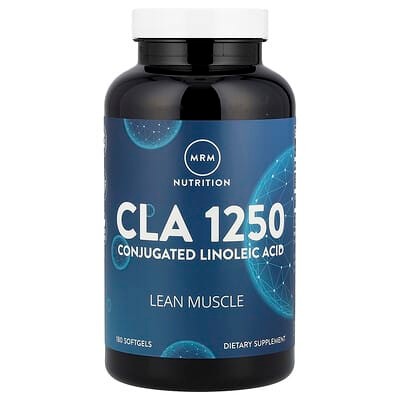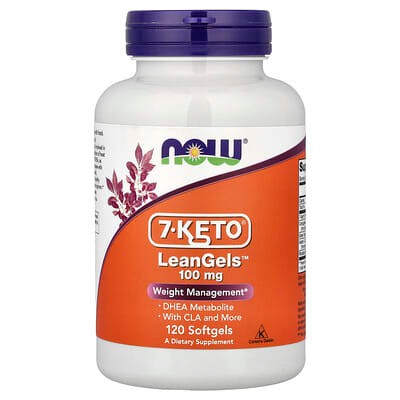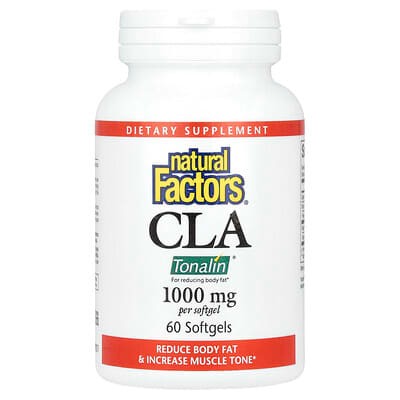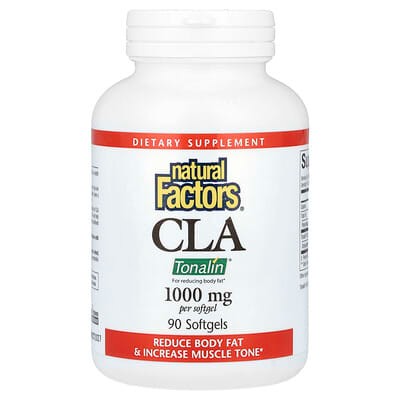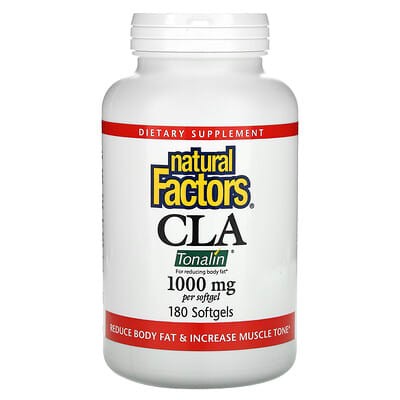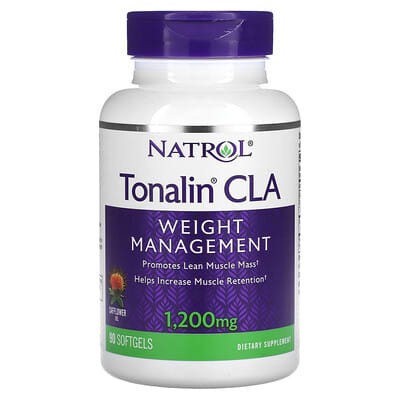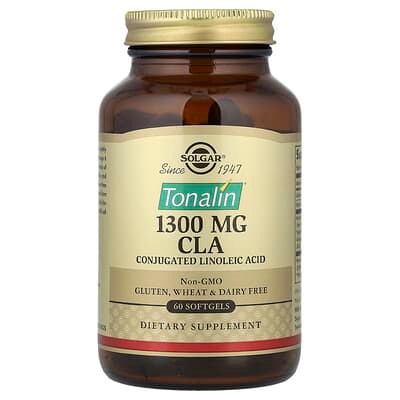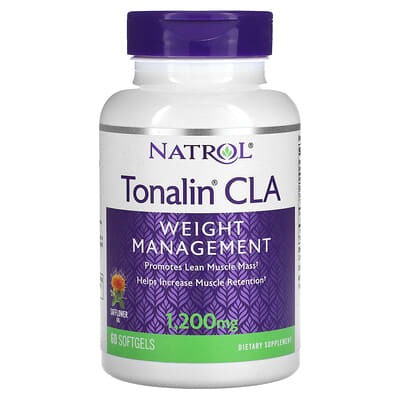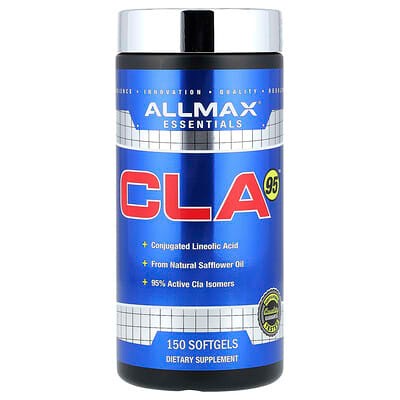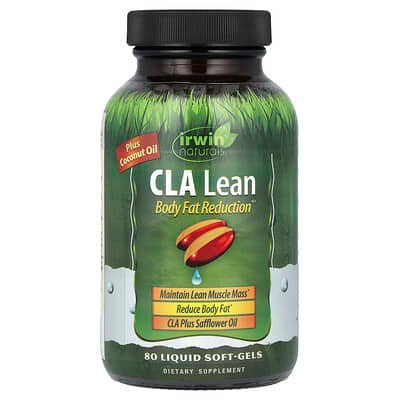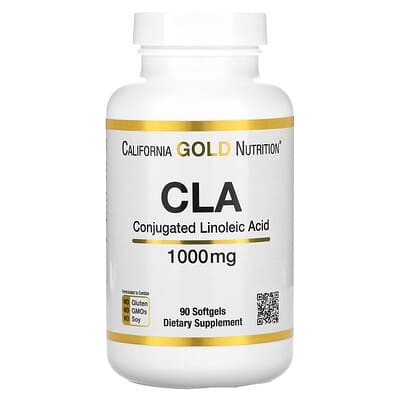
Conjugated Linoleic Acid

fatty acid

Conjugated Linoleic Acid (CLA) is a naturally occurring trans fatty acid found primarily in the meat and dairy of ruminant animals. Although it is a derivative of the omega-6 fatty acid linoleic acid, it has a unique structure with conjugated double bonds that is believed to drive its specific biological activities. CLA is frequently used for its potential impact on body composition and metabolic health. It has been studied for its role in helping to reduce body fat, increase lean muscle mass, and modulate how the body processes lipids. It may also provide antioxidant and anti-inflammatory support. When taken as a supplement, CLA usually contains a mix of isomers, with cis-9, trans-11 (c9,t11) and trans-10, cis-12 (t10,c12) being the most common and biologically active. The observed effects can vary depending on the specific isomer ratios and the dosage used.

Natural sources
BeefLambDairy products (milk, cheese, yogurt)Eggs (to a lesser extent, depending on animal feed)

No public comparison lists found.

Optimal Dosage
Minimum1000 mg
Maximum3000 mg
Safety & Toxicity
4 safety notes
  • Individuals with diabetes or insulin resistance should use CLA with caution due to potential effects on glucose metabolism.
  • Pregnant or breastfeeding women should consult a healthcare professional before use.
  • Individuals with liver conditions should exercise caution.
  • Not a substitute for a balanced diet and regular exercise for weight management.
Goals
Immunity
Impact
Limited evidence
Typical dose:3.2–6.4 g
While some research suggests CLA can influence inflammatory markers in specific contexts, it lacks robust clinical evidence for general immune support or acute infection response. Its effects are not consistently demonstrated and are considered speculative for this purpose.

Study evidence

16 studies

Conjugated Linoleic Acid can alter some immune and inflammatory markers, but human findings are inconsistent and do not establish stronger protection against illness. Limited benefits for allergy symptoms may depend on the preparation and do not demonstrate a general immunity benefit.

View goal

Metabolism Boost
Impact
Limited evidence
Typical dose:3.2–6.4 g
Human clinical trials on CLA have produced mixed results, with any observed effects on fat mass or metabolic rate being very modest and not reliably reproducible.

Study evidence

32 studies

Conjugated Linoleic Acid does not reliably increase calorie burning or improve metabolic health. Some trials show small changes in body composition or fuel use, but results are inconsistent, and certain forms have worsened insulin sensitivity and inflammation in people with obesity.

View goal
Weight Loss
Impact
Limited evidence
Typical dose:3.2–6.4 g
While animal studies show promise, human trials on CLA have produced mixed and often clinically insignificant results for fat loss. Any potential effects on inhibiting fat storage or increasing fat burning are typically very small and not reliably observed across the population.

Study evidence

45 studies

Conjugated Linoleic Acid may produce small reductions in weight or body fat, but the effects are inconsistent and often too small to matter clinically. Better-quality studies weaken the case for fat loss, and some preparations have raised concerns about insulin sensitivity and blood lipids.

View goal

Studies

Research connections will load here.
Sources

Up to five highest-ranked published examples per goal. Study counts and charts include all published studies for the connection.

  1. Immunological and metabolic effects of cis-9, trans-11-conjugated linoleic acid in subjects with birch pollen allergy.
    Turpeinen AM; Ylönen N; von Willebrand E; Basu S; Aro A · The British journal of nutrition · 2009
    Randomized trial40 participantsImmunity
  2. Effect of CLA supplementation on immune function in young healthy volunteers.
    Song HJ; Grant I; Rotondo D; Mohede I; Sattar N; Heys SD; Wahle KW · European journal of clinical nutrition · 2005
    Randomized trial28 participantsImmunity
  3. Conjugated linoleic acid decreases production of pro-inflammatory products in macrophages: evidence for a PPAR gamma-dependent mechanism.
    Yu Y; Correll PH; Vanden Heuvel JP · Biochimica et biophysica acta · 2002
    In vitro / ex vivo studyImmunity
  4. Health supplements for allergic rhinitis: A mixed-methods systematic review.
    Pellow J; Nolte A; Temane A; Solomon EM · Complementary therapies in medicine · 2020
    Systematic review58 studies pooledImmunity
  5. Effects of a dietary intervention with conjugated linoleic acid on immunological and metabolic parameters in children and adolescents with allergic asthma--a placebo-controlled pilot trial.
    Jaudszus A; Mainz JG; Pittag S; Dornaus S; Dopfer C; Roth A; Jahreis G · Lipids in health and disease · 2016
    Randomized trial29 participantsImmunity
  6. Effects of Conjugated Linoleic Acid and Metformin on Insulin Sensitivity in Obese Children: Randomized Clinical Trial.
    Garibay-Nieto N; Queipo-García G; Alvarez F; Bustos M; Villanueva E; Ramírez F; León M; Laresgoiti-Servitje E; Duggirala R; Macías T; Cuevas S; Jalife A; Fonseca-Sánchez M; Serratos F; López-Alvarenga JC · The Journal of clinical endocrinology and metabolism · 2017
    Randomized trialMetabolism Boost
  7. Conjugated linoleic acid supplementation alters the 6-mo change in fat oxidation during sleep.
    Close RN; Schoeller DA; Watras AC; Nora EH · The American journal of clinical nutrition · 2008
    Randomized trial23 participantsMetabolism Boost
  8. Metabolomic Changes Upon Conjugated Linoleic Acid Supplementation and Predictions of Body Composition Responsiveness.
    He Y; Xu K; Li Y; Chang H; Liao X; Yu H; Tian T; Li C; Shen Y; Wu Q; Liu X; Shi L · The Journal of clinical endocrinology and metabolism · 2022
    Randomized trial65 participantsMetabolism Boost
  9. Conjugated Linoleic Acid Supplementation Suppresses the De Novo Lipogenesis in Adults With High Body Fat: A Double-Blind, Randomized, Placebo-Controlled Trial.
    Jia K; She Y; He Y; He J; He Y; Xu K; Ma G; Li W; He C; Feng X; Wang M; Tang A; Sun X; Kong L; Liu X · Molecular nutrition & food research · 2025
    Randomized trial65 participantsMetabolism Boost
  10. Daily intake of conjugated linoleic acid-enriched yoghurts: effects on energy metabolism and adipose tissue gene expression in healthy subjects.
    Nazare JA; de la Perrière AB; Bonnet F; Desage M; Peyrat J; Maitrepierre C; Louche-Pelissier C; Bruzeau J; Goudable J; Lassel T; Vidal H; Laville M · The British journal of nutrition · 2007
    Randomized trial44 participantsMetabolism Boost
  11. The effects of conjugated linoleic acid supplementation on anthropometrics and body composition indices in adults: a systematic review and dose-response meta-analysis.
    Asbaghi O; Shimi G; Hosseini Oskouie F; Naseri K; Bagheri R; Ashtary-Larky D; Nordvall M; Rastgoo S; Zamani M; Wong A · The British journal of nutrition · 2024
    Meta-analysis4,159 participants70 studies pooledWeight Loss
  12. Six months supplementation with conjugated linoleic acid induces regional-specific fat mass decreases in overweight and obese.
    Gaullier JM; Halse J; Høivik HO; Høye K; Syvertsen C; Nurminiemi M; Hassfeld C; Einerhand A; O'Shea M; Gudmundsen O · The British journal of nutrition · 2007
    Randomized trial118 participantsWeight Loss
  13. The effects of conjugated linoleic acid supplementation during resistance training.
    Pinkoski C; Chilibeck PD; Candow DG; Esliger D; Ewaschuk JB; Facci M; Farthing JP; Zello GA · Medicine and science in sports and exercise · 2006
    Randomized trial76 participantsWeight Loss
  14. Efficacy of conjugated linoleic acid for reducing fat mass: a meta-analysis in humans.
    Whigham LD; Watras AC; Schoeller DA · The American journal of clinical nutrition · 2007
    Meta-analysis18 studies pooledWeight Loss
  15. Effects of milk supplementation with conjugated linoleic acid (isomers cis-9, trans-11 and trans-10, cis-12) on body composition and metabolic syndrome components.
    Laso N; Brugué E; Vidal J; Ros E; Arnaiz JA; Carné X; Vidal S; Mas S; Deulofeu R; Lafuente A · The British journal of nutrition · 2008
    Randomized trial60 participantsWeight Loss