
Nutrient quality
Tryptophan and lysine use clear forms, while niacin is identified as niacinamide. The tryptophan amount is meaningful and the lysine amount is supportive.
 Pure Formulas Pure Formulas | $ 24.00 | |
 Vitacost Vitacost | $ 24.00 | |
 iHerb iHerb | $ 24.00 |
One gram of L-tryptophan is a substantial core amount for serotonin and melatonin precursor support. Niacinamide is included as a related cofactor, while lysine adds a separate amino-acid component.
The 285 mg proprietary blend is the central quality limitation because its ingredient amounts cannot be evaluated individually. That lack of detail makes it harder to judge whether the added components meaningfully support the main tryptophan dose.
Three capsules per serving may be acceptable for bedtime use, but the serving burden and value are only moderate. Tryptophan also has important serotonergic interactions and can cause sedation, so the intended timing and medication context matter.
Tryptophan and lysine use clear forms, while niacin is identified as niacinamide. The tryptophan amount is meaningful and the lysine amount is supportive.
The main actives have amounts, but the components inside the proprietary blend do not. Inactive capsule ingredients are not disclosed in the supplied information.
The supplied average and volume indicate strong aggregate satisfaction. No detailed experience reports are available to identify repeated complaints or confirm perceived benefits.
The meaningful tryptophan dose partly supports the cost, though the hidden blend weakens confidence. The serving cost is relatively high for a partly undisclosed formula.

A substantial L-tryptophan amount directly supports serotonin production, while niacin and lysine provide secondary metabolic context. The disclosed main active gives the formula meaningful depth.
An unnamed proprietary botanical blend prevents a full dose and safety assessment. L-tryptophan may dangerously add to serotonin-raising medicines such as SSRIs or MAO inhibitors.
No linked studies yet.

L-tryptophan directly supports serotonin synthesis at a substantial amount. Niacin and lysine offer limited complementary support, while the proprietary blend is not fully assessable.
The focused precursor dose is a clear strength, but botanical details and source purity are incomplete. It should not be combined casually with SSRIs, MAO inhibitors, or other serotonin-raising drugs because serotonin excess can be dangerous.

L-tryptophan at 1,000 mg provides a substantial precursor dose for serotonin and melatonin production. Lysine and niacin sit alongside it, while a botanical blend may add calming support.
The proprietary blend hides its individual ingredients and amounts, so the broader sleep contribution cannot be verified. Tryptophan may interact with SSRIs, MAO inhibitors, and other serotonin-raising agents, increasing serotonin-toxicity risk.
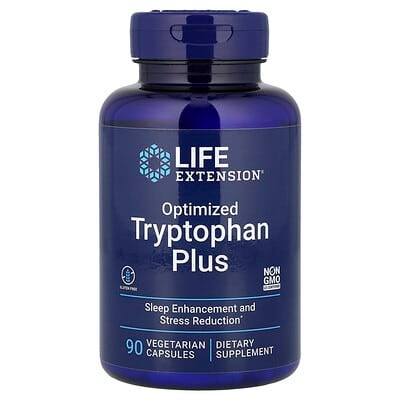
| Ingredient | Amount per serving |
|---|---|
Niacin (Niacinamide) | 66 mg |
L-Tryptophan | 1000 mg |
L-Lysine (L-Lysine Hydrochloride) | 250 mg |
Proprietary Tryptophan Plus Blend | 285 mg |
The L-tryptophan dose reaches the preferred range, and the small supporting formula does not contain the main competing amino acids. Exact tryptophan content is disclosed, but no branded or purity-qualified source is stated and value is only moderate. L-tryptophan may add to the effects of serotonin-raising medicines such as SSRIs and could increase serotonin-toxicity risk.
Niacinamide is clearly identified, but it supports the wider amino-acid formula rather than serving as a focused niacin product. Its amount is somewhat below the preferred standalone range and the capsule has no special delivery feature. The relatively high serving cost is difficult to justify for niacin, although the tryptophan and lysine may matter for the product's separate intended use.
L-Lysine hydrochloride is used, but the 250 mg amount falls short of the preferred range for this collection. The formula primarily emphasizes tryptophan and niacin rather than lysine. Its low lysine total also makes it poor value when judged specifically as a lysine supplement.
Published studies used for the product analysis and the top-ranked studies for each ingredient and goal.