
Nutrient quality
A polyphenol marker is named, but its percentage and the EGCG content are not disclosed. A substantial headline amount is undermined by missing EGCG, standardization, and stimulant detail.
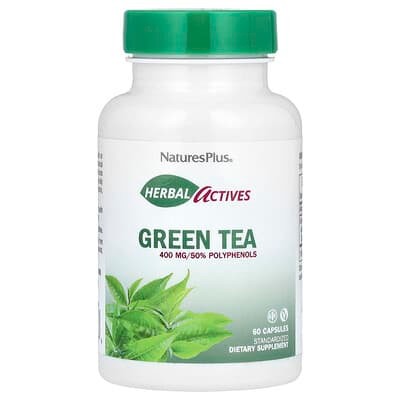
 Pure Formulas Pure Formulas | $ 19.08 | |
 iHerb iHerb | $ 19.08 |
400 mg of green-tea polyphenol material of green tea material provides a direct source of catechins that may support antioxidant defenses and normal metabolic signaling.
Caffeine content is not stated, making stimulant exposure difficult to judge. EGCG, caffeine, and decaffeination details are missing prevents a fully confident comparison with better-characterized extracts.
The capsule format keeps the product focused and easy to fit into a routine. only moderate value is useful, though the formula addresses only one botanical pathway and should not be treated as a broad health supplement.
A polyphenol marker is named, but its percentage and the EGCG content are not disclosed. A substantial headline amount is undermined by missing EGCG, standardization, and stimulant detail.
The extract amount is stated, while EGCG and caffeine amounts are missing. No proprietary blend hides the listed active doses.
The supplied average is favorable, with small response volume. Complaint patterns and purpose-related experiences are not supplied.
The asking price is difficult to justify for the disclosed formula. Serving value is weak relative to the green tea support provided.

Green tea is directly relevant to fat oxidation and mild thermogenesis when active catechins and stimulant exposure are known. The label provides only a total polyphenol amount and does not reveal EGCG or caffeine.
A substantial extract weight therefore cannot be translated into an evidence-based active dose. People sensitive to stimulants cannot judge suitability because caffeine content and decaffeination status are missing.

Green tea polyphenols directly support antioxidant defenses and may modulate inflammatory signaling. The missing EGCG amount prevents comparison with clinically studied exposures.
The total polyphenol amount appears substantial, but catechin standardization and caffeine content are not disclosed. The focused single-herb design is coherent despite limited quality transparency.

Green tea polyphenols may support antioxidant and metabolic pathways linked with healthy aging. Human evidence is more useful for cardiovascular and metabolic markers than for extending healthspan itself.
The label provides 400 mg of polyphenols but does not state the EGCG yield or standardization percentage. Missing caffeine and decaffeination details also make potency and stimulant exposure hard to judge.
| Ingredient | Amount per serving |
|---|---|
Chinese Green Tea (Polyphenols) | 400 mg |
The extract names an active marker but does not disclose a standardization percentage, while no catechin absorption technology or stabilizing cofactor is listed. The label does not disclose a specific EGCG amount, and caffeine content and decaffeination status are not disclosed. A polyphenol amount is listed, but EGCG yield and stimulant exposure cannot be determined; value per active EGCG amount cannot be verified because EGCG is not disclosed.
Published studies used for the product analysis and the top-ranked studies for each ingredient and goal.