
Nutrient quality
The substantial stated carnitine amount is paired with a clearly dosed supporting vitamin. The chemical form, elemental-yield basis, and non-active ingredients are not supplied.
 iHerb iHerb | $ 21.74 | |
 Pure Formulas Pure Formulas | $ 21.74 | |
 Vitacost Vitacost | $ 21.74 |
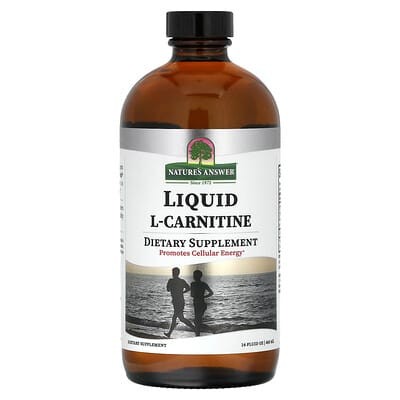
The active amount is clearly stated and reaches a useful targeted range, while liquid delivery allows flexible use. The 1,200 mg serving is presented in a raspberry-flavored liquid format for routine use.
The label does not identify the carnitine form or purity source, so alignment with the best-characterized forms cannot be confirmed. Benefits are most likely when carnitine support is relevant rather than as a universal performance or heart-health effect.
Pantothenic acid supports general energy metabolism, while 4 grams of carbohydrate adds a small nutritional trade-off rather than a major performance benefit. The formula remains centered on carnitine rather than broad cardiovascular or performance coverage. Moderate value and 32 servings shape the practical appeal.
The substantial stated carnitine amount is paired with a clearly dosed supporting vitamin. The chemical form, elemental-yield basis, and non-active ingredients are not supplied.
Active complex amounts and serving details are stated clearly. The chemical form, elemental-yield basis, and non-active ingredients are not supplied.
The supplied average rating is strong, and a solid response volume provides reasonable confidence in the average rating. No comment-level feedback is supplied to judge recurring complaints or purpose-specific experiences.
Liquid convenience supports fair value despite incomplete sourcing. Formula focus and disclosure determine whether that value holds up in practice.

L-carnitine supports fatty-acid transport and may aid cellular energy in high-demand heart tissue.
Evidence for broad cardiovascular prevention is limited, so the formula is more situational than foundational. Pantothenic acid complements energy metabolism without creating a separate major heart pathway.

L-carnitine supports mitochondrial fatty-acid transport and may reduce some markers of exercise-related muscle damage. The liquid supplies a meaningful amount with exact active disclosure.
The chemical form is not identified, preventing assessment of whether it matches the best-supported athletic form. Carbohydrate and pantothenic acid add modest support but do not compensate for the form uncertainty.

A clearly stated 1,200 mg L-carnitine serving may support fatty-acid transport and heart-muscle energy. The dose is meaningful, but the chemical form and active yield are not disclosed.
Clinical cardiovascular evidence is narrower and less consistent than for omega-3s or CoQ10. The formula does not address lipids, blood pressure, rhythm, or endothelial function beyond its single energy pathway.
| Ingredient | Amount per serving |
|---|---|
Calories | 15 {Calories} |
Total Carbohydrates | 4 Gram(s) |
Pantothenic Acid (D-Calcium Pantothenate) | 10 mg |
L-Carnitine | 1200 mg |
The 1,200 mg amount reaches the preferred range for heart and athletic support. The undisclosed chemical form prevents judging whether the ingredient is aligned with those goals or how its yield was determined. Cost per disclosed gram is moderate, while the liquid format may offer convenient dose adjustment.
Published studies used for the product analysis and the top-ranked studies for each ingredient and goal.