Impact
High effect
Typical dose:500–2000 mg
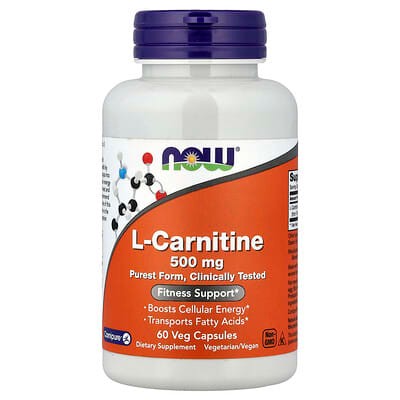
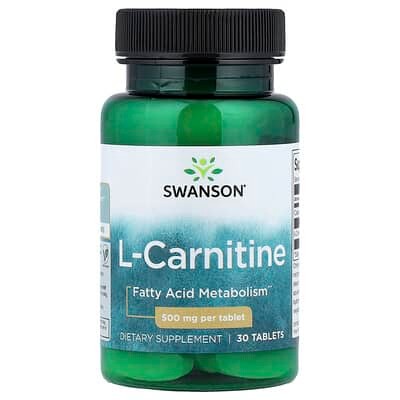
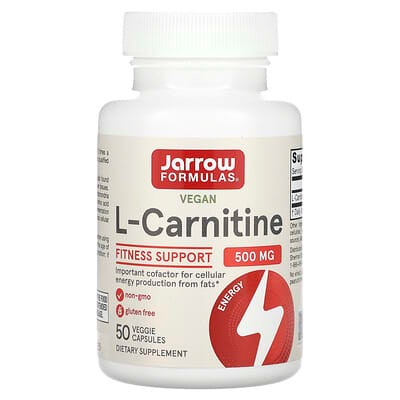
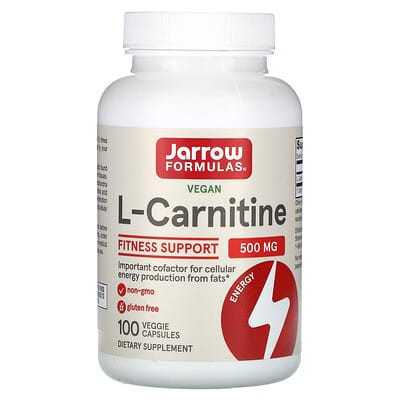
The heart derives most of its energy from burning fatty acids. L-Carnitine is the essential shuttle that transports these fatty acids across the mitochondrial membrane. Supplementation supports efficient energy production, which is critical for the function of the constantly working cardiac muscle.
Study evidence
73 studiesL-Carnitine can improve selected blood-fat or heart-function measures in some clinical populations, but cardiovascular benefits are inconsistent. The evidence does not establish routine protection against heart disease, and adverse findings involving artery narrowing and gut-derived metabolites complicate the benefit–risk picture.
View goal