Maitake Mushroom
Maitake mushroom is a culinary and medicinal fungus native to temperate regions of Asia, Europe, and North America. It typically grows at the base of trees, especially oak, elm, and maple, and is characterized by its large, frilly, overlapping caps. This mushroom is prized for its earthy, rich flavor and meaty texture, making it a popular ingredient in various cuisines. Beyond its culinary appeal, Maitake is extensively studied for its bioactive compounds, particularly beta-glucans. These polysaccharides are believed to be responsible for many of its health-promoting properties, including immune modulation and potential support for metabolic health. It also contains various vitamins, minerals, and amino acids. Historically, Maitake has been a staple in traditional Japanese and Chinese medicine, where it was used to support vitality, immune function, and overall well-being. Modern research continues to explore its potential applications, solidifying its reputation as a valuable functional food and dietary supplement.
Positive Interactions
Negative Interactions
ImmunoBerry Liquid
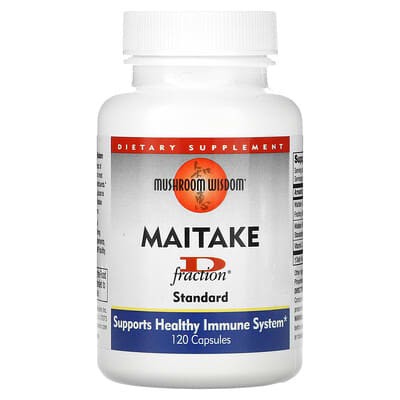
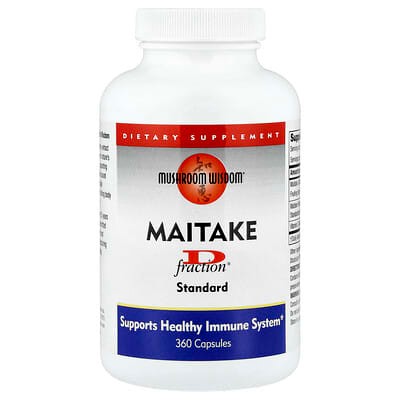
Maitake D Fraction Standard
Olive Leaf & Oregano Immune Wellness
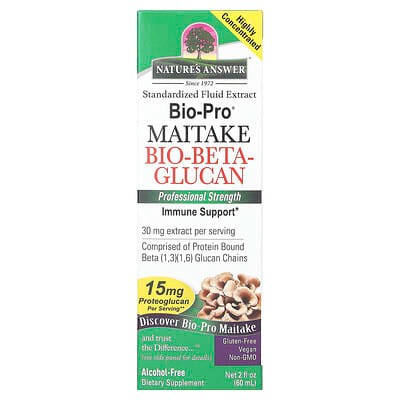
Bio-Pro Maitake
Dynamic Mushrooms
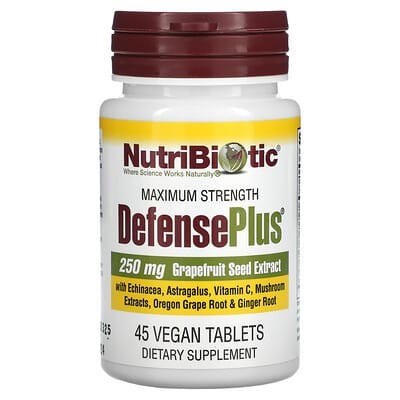
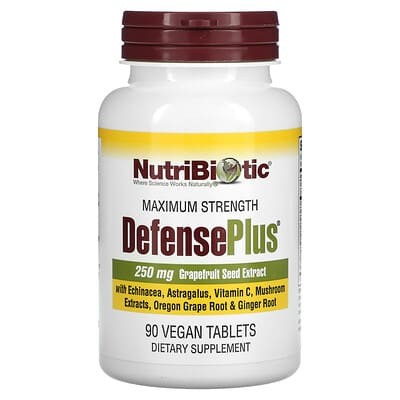
DefensePlus
Mushroom Immune Defense
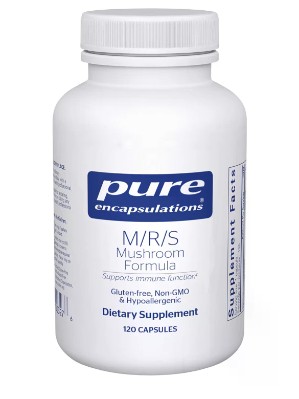
M/R/S Mushroom Formula
Fermented Mushroom Complete 600 mg
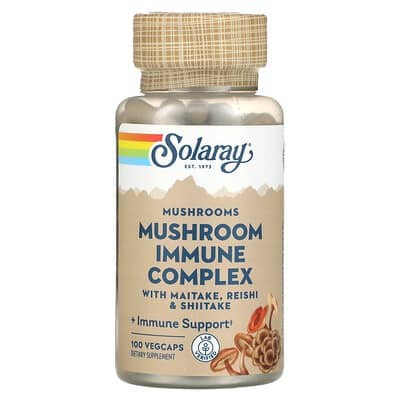
Mushroom Immune Complex with Maitake Reishi & Shiitake
Mushroom Immune Defense
Wellness D-mmunity 125 MCG
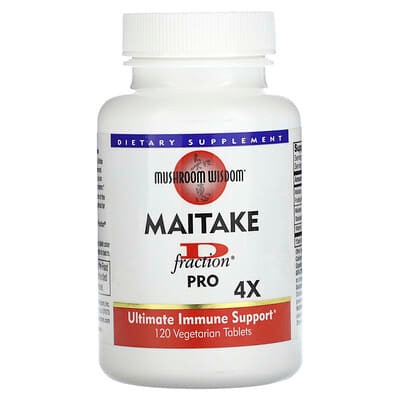
Maitake D Fraction Pro 4X
Maitake D Fraction Standard
DefensePlus
- Highly concentrated active compound
- Extensively studied for immune support
- Specific mechanism of action
- Can be more expensive than whole mushroom extracts
- Specific isolation process required
- Whole food source
- Contains a spectrum of beneficial compounds beyond just beta-glucans
- Generally well-tolerated
- Potency can vary depending on growing conditions and processing
- May contain less concentrated active compounds than specific extracts
- Higher concentration of active compounds than whole powder
- Often standardized for potency
- More effective delivery of immune-modulating constituents
- May lack some minor compounds present in the whole mushroom
- Extraction methods can vary in quality
- Excellent source of dietary fiber
- Supports heart health and digestion
- Widely available and affordable
- Not a source of Maitake-specific compounds
- Does not provide the unique immune benefits attributed to Maitake
- Encompasses the main active immune-supporting compounds
- Can be standardized for content
- Less specific than D-fraction regarding exact beta-glucan structure
- Total polysaccharide content doesn't always specify the most active beta-glucan types