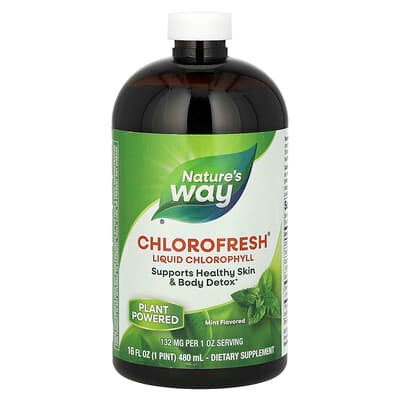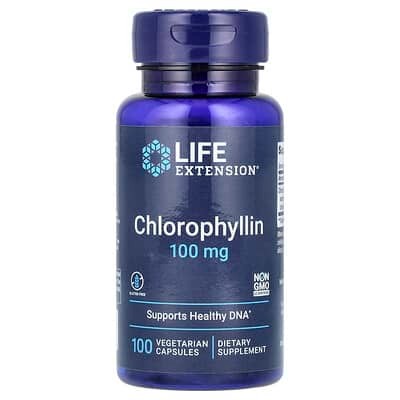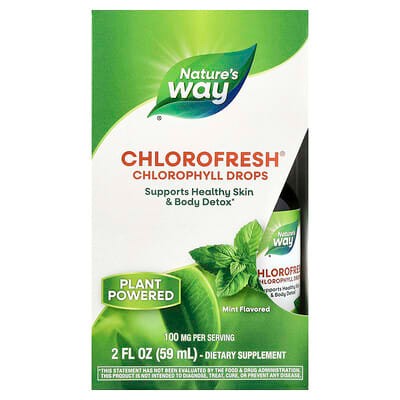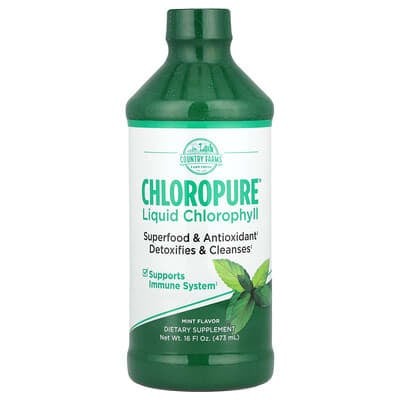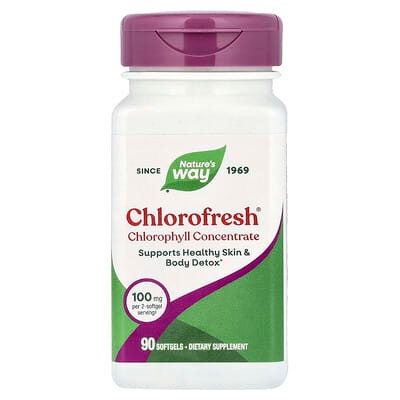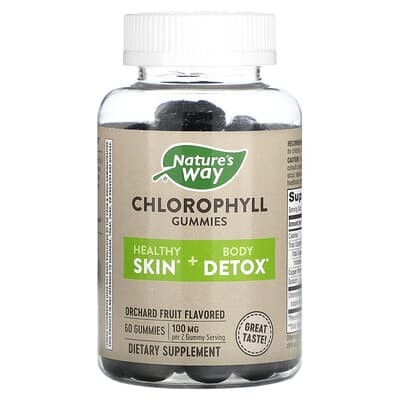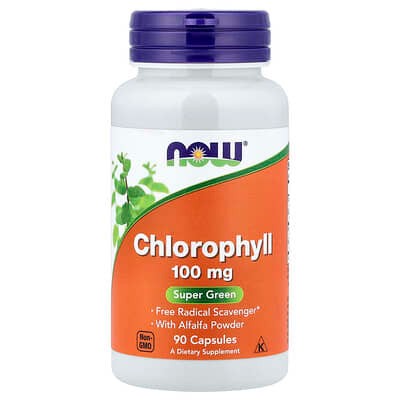
Chlorophyllin

non-nutrient_non-botanical

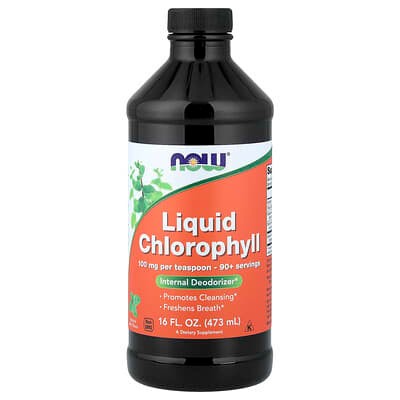
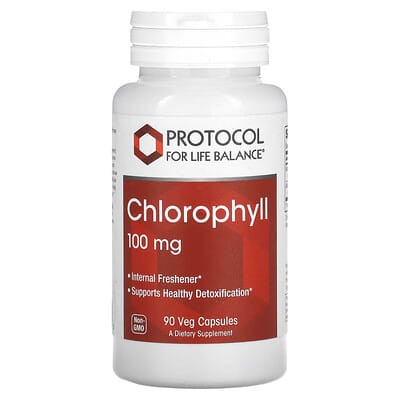
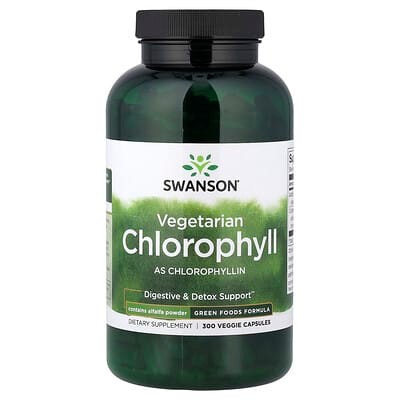
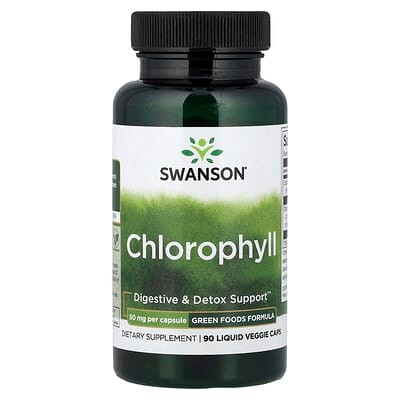
Chlorophyllin is a semi-synthetic, water-soluble derivative of chlorophyll, the pigment responsible for the green color in plants and essential for photosynthesis. Unlike natural chlorophyll, it is more bioavailable and stable in supplement form. It typically contains copper in place of chlorophyll’s magnesium, contributing to its stability and distinct physiological properties. This compound is widely recognized for its antioxidant capabilities, which help neutralize free radicals and reduce oxidative stress. Beyond its antioxidant role, it is frequently used as an internal deodorizer to help manage odors associated with breath, colostomies, and ileostomies. Its potential to bind certain toxins in the digestive tract also contributes to its proposed role in detoxification. Research indicates that chlorophyllin may support skin health, aid in wound healing, and exhibit anti-inflammatory effects. It is typically extracted from nutrient-rich plants like alfalfa or nettles and formulated into capsules, powders, and topical creams to provide a versatile option for wellness support.

Natural sources
Chlorophyllin is a derivative of chlorophyll, which is naturally abundant in green plants.Common plant sources from which chlorophyll is extracted to produce chlorophyllin include Alfalfa, Nettle, Spinach, Wheatgrass, and other leafy green vegetables.

No public comparison lists found.

Optimal Dosage
Minimum100 mg
Maximum500 mg
Safety & Toxicity
Toxicity Threshold2000 mg
Toxicity EffectDiarrhea, green stools
4 safety notes
  • May cause false-positive results in certain stool tests (e.g., occult blood tests). Inform healthcare provider if taking chlorophyllin before such tests.
  • Pregnant or nursing women should consult a healthcare professional before use.
  • Individuals with known allergies to green plants or dyes should use with caution.
  • Topical application may cause temporary staining of skin or clothing.
Goals
Detoxification
Impact
Situational effect
Typical dose:100–300 mg
Chlorophyllin's mechanism involves trapping certain carcinogens and toxins within the digestive tract to prevent their absorption. This is a valuable but situational gut-focused action, similar to activated charcoal, and does not directly enhance the liver's Phase I or Phase II enzymatic pathways.

Study evidence

3 studies

Chlorophyllin can reduce a marker of aflatoxin exposure in people eating contaminated food, supporting a specific toxin-binding effect. This evidence does not establish a general detox benefit, removal of diverse toxins, or prevention of liver cancer.

View goal

Anti-Inflammatory Support
Impact
Limited evidence
Typical dose:100–300 mg
Chlorophyllin's primary benefit is its antioxidant capacity, binding to potential mutagens and reducing oxidative stress. While this provides indirect anti-inflammatory support, its role as a potent, direct modulator of systemic inflammation is less established than other compounds, making it a lower-tier supportive nutrient.

Study evidence

No published studies for this goal yet.

View goal

Studies

Research connections will load here.
Interactions

Positive Interactions

Vitamin C
May enhance the overall antioxidant capacity when combined with chlorophyllin.
Vitamin E
Synergistic antioxidant effects, providing broader protection against oxidative damage.
Selenium
Works with other antioxidants like chlorophyllin to support cellular protection.
Zinc
Supports immune function and skin health, potentially complementing chlorophyllin's benefits for skin repair.
Gluthathione
Both are potent antioxidants and detoxifiers; combining them may amplify the body's protective mechanisms.
Glutathione
Both are potent antioxidants and detoxifiers; combining them may amplify the body's protective mechanisms.
Coenzyme Q-10
Offers additional antioxidant support and contributes to cellular energy production.
Curcumin
Known for its anti-inflammatory and antioxidant properties, potentially enhancing similar effects of chlorophyllin.
Resveratrol
Another strong antioxidant that can work synergistically with chlorophyllin to combat oxidative stress.
Astaxanthin
A powerful carotenoid antioxidant that could provide enhanced cellular protection alongside chlorophyllin.
Lycopene
Contributes to antioxidant defense, especially beneficial for skin health, potentially complementing chlorophyllin.
Flavonoid
A broad class of plant compounds with antioxidant properties that can synergize with chlorophyllin.
carotenoids
A group of antioxidants that, like chlorophyllin, protect cells from damage.
Milk Thistle
Both support detoxification pathways, particularly liver health, offering a comprehensive approach.
Collagen
Chlorophyllin's potential for skin health may complement collagen's role in maintaining skin structure and elasticity.
Hyaluronic Acid
Supports skin hydration and repair, potentially enhanced by chlorophyllin's benefits for skin health.
Sources

Up to five highest-ranked published examples per goal. Study counts and charts include all published studies for the connection.

  1. Dietary modulation of the biotransformation and genotoxicity of aflatoxin B(1).
    Gross-Steinmeyer K; Eaton DL · Toxicology · 2012
    Narrative reviewDetoxification
  2. Aflatoxin and Liver Cancer in China: The Evolving Research Landscape.
    Chen JG; Kensler TW; Sun GJ; Zhu J; Lu JH; Pan D; Zhang YH; Groopman JD · Toxins · 2026
    Narrative reviewDetoxification
  3. Chlorophyllin intervention reduces aflatoxin-DNA adducts in individuals at high risk for liver cancer
    P A Egner, J B Wang, Y R Zhu, B C Zhang, Y Wu, Q N Zhang, G S Qian, S Y Kuang, S J Gange, L P Jacobson, K J Helzlsouer, G S Bailey, J D Groopman, T W Kensler · Proceedings of the National Academy of Sciences of the United States of America · 2001
    Randomized trial169 participantsDetoxification