Theobromine

non-nutrient_non-botanical

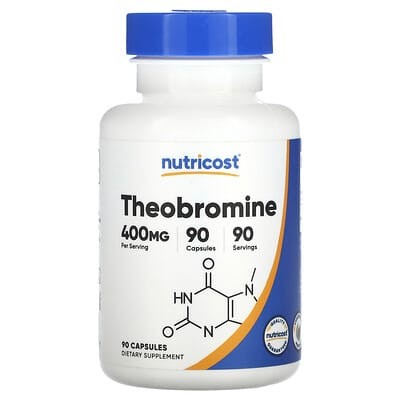
Theobromine is a naturally occurring alkaloid in the methylxanthine family, chemically related to caffeine. It is found most notably in cacao beans, the primary ingredient in chocolate, and in smaller amounts in tea and kola nuts. It provides a milder and longer-lasting stimulating effect on the central nervous system compared to caffeine. Physiological actions include vasodilation to widen blood vessels and improve blood flow, along with a mild diuretic effect that can increase urine output. It also acts as a cardiac stimulant by increasing heart rate and contractility, and functions as a bronchodilator to relax airway smooth muscles. These properties contribute to its potential use in various health contexts. The alkaloid is often associated with the cognitive effects and mood support experienced after consuming cacao products. While sharing some mechanisms with caffeine, the overall impact is generally less intense, with a lower potential for addiction and fewer acute side effects at typical consumption levels.


Natural sources
Cacao beans (chocolate, cocoa powder)Tea leaves (Camellia sinensis)Kola nutsAcai berriesGuarana

No public comparison lists found.

Optimal Dosage
Minimum100 mg
Maximum400 mg
Safety & Toxicity
Toxicity Threshold1500 mg
Toxicity EffectIncreased heart rate, nausea
5 safety notes
  • Individuals sensitive to stimulants should use with caution.
  • High doses may exacerbate existing heart conditions or anxiety disorders.
  • Pregnant or breastfeeding women should consult a healthcare professional before use.
  • Avoid consumption close to bedtime to prevent sleep disturbances.
  • Toxic to certain animals, particularly dogs, even in moderate amounts.
Goals
Mental Focus
Impact
Moderate effect
Typical dose:100–500 mg
Theobromine, a compound found in cacao, acts as a gentle central nervous system stimulant and vasodilator. It enhances blood flow to the brain, which can improve alertness and cognitive function with fewer jittery side effects than caffeine, making it a good choice for sustained, calm focus.

Study evidence

No published studies for this goal yet.

View goal
Cardiovascular Support
Impact
Situational effect
Typical dose:250–1000 mg
Theobromine, a compound related to caffeine, acts as a vasodilator by relaxing the smooth muscles of blood vessels. This effect can lead to modest improvements in circulation and blood pressure. It offers supportive benefits, particularly as part of a broader cardiovascular health strategy.

Study evidence

5 studies

Theobromine may improve HDL cholesterol and some related cardiovascular risk markers, but broader effects are inconsistent. The available research measures intermediate changes rather than heart attacks or strokes, so it does not establish that theobromine supplements protect against cardiovascular disease.

View goal
Energy
Impact
Situational effect
Typical dose:100–500 mg
A methylxanthine related to caffeine, Theobromine offers a smoother, less intense, and more sustained increase in alertness. It is useful for those sensitive to caffeine or seeking gentle energy support without a significant peak and crash.

Study evidence

1 study

The supplied evidence does not establish theobromine as an energy booster. It links higher dietary theobromine intake with greater daytime sleepiness, but this observational association cannot show that theobromine causes tiredness or predict the effects of a supplement.

View goal
Mood Support
Impact
Limited evidence
Typical dose:150–500 mg
Theobromine, found in cacao, acts as a mild stimulant and vasodilator. While it can contribute to a temporary feeling of well-being, its effects are not comparable to targeted mood-regulating supplements and it is not considered a primary intervention for mood disorders.

Study evidence

No published studies for this goal yet.

View goal

Studies

Research connections will load here.
Sources

Up to five highest-ranked published examples per goal. Study counts and charts include all published studies for the connection.

  1. Effect of cocoa and theobromine consumption on serum HDL-cholesterol concentrations: a randomized controlled trial.
    Neufingerl N; Zebregs YE; Schuring EA; Trautwein EA · The American journal of clinical nutrition · 2013
    Randomized trial152 participantsCardiovascular Support
  2. The Effect of Theobromine Supplementation on HDL-c Subclasses (HDL-c2, HDL-c3), HDL-c2/HDL-c3 Ratio, and Gene Expression of PPAR-α and Sirt1 in Subjects With Metabolic Syndrome: A Randomized Controlled Clinical Trial.
    Sharifi-Zahabi E; Dastafkan Z; Asadi A; Hosseini-Baharanchi FS; Rezvani N; Yari S; Shidfar F · Food science & nutrition · 2025
    Randomized trial80 participantsCardiovascular Support
  3. Relationships between consumption of theobromine in cocoa products and cardiovascular risk factors in 2015-2020 National health and nutrition examination survey.
    Ponsuporn W; Naumovski N; McKune AJ; Khemacheewakul J; Leksawasdi N; Rachtanapun P; Taesuwan S · European journal of nutrition · 2026
    Cross-sectional study8,531 participantsCardiovascular Support
  4. The acute effects on duodenal gene expression in healthy men following consumption of a low-fat meal enriched with theobromine or fat.
    Smolders L; Mensink RP; Boekschoten MV; de Ridder RJJ; Plat J · Scientific reports · 2018
    Randomized trial8 participantsCardiovascular Support
  5. Theobromine supplementation in combination with a low-calorie diet improves cardiovascular risk factors in overweight and obese subjects with metabolic syndrome: a randomized controlled trial.
    Sharifi-Zahabi E; Rezvani N; Hajizadeh-Sharafabad F; Hosseini-Baharanchi FS; Shidfar F; Rahimi M · Food & function · 2023
    Randomized trial80 participantsCardiovascular Support
  6. Sleep symptoms associated with intake of specific dietary nutrients.
    Grandner MA; Jackson N; Gerstner JR; Knutson KL · Journal of sleep research · 2014
    Cross-sectional study4,552 participantsEnergy