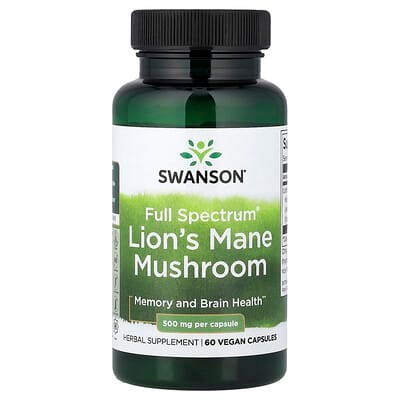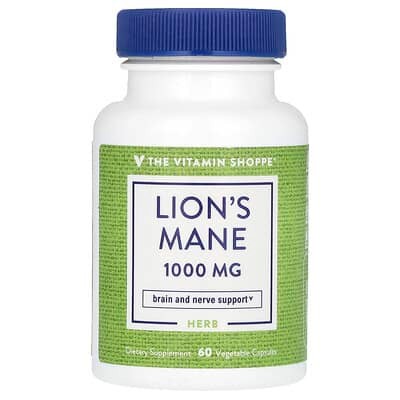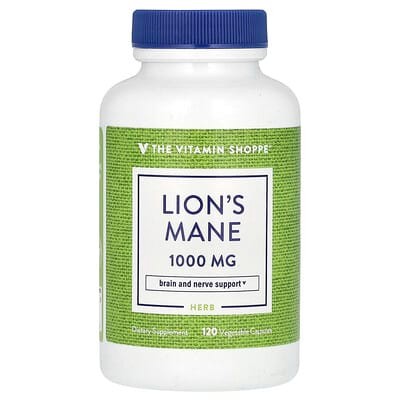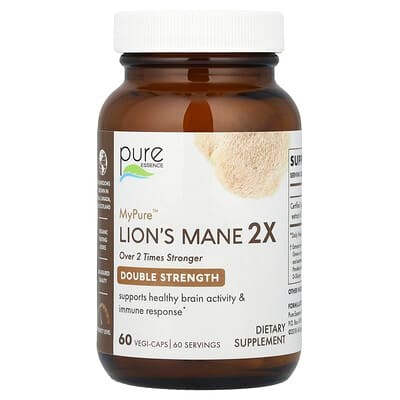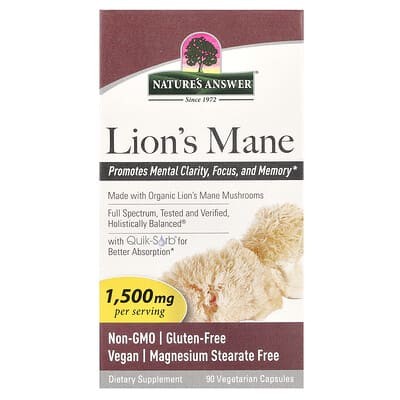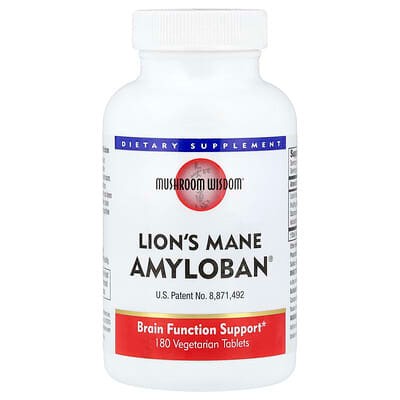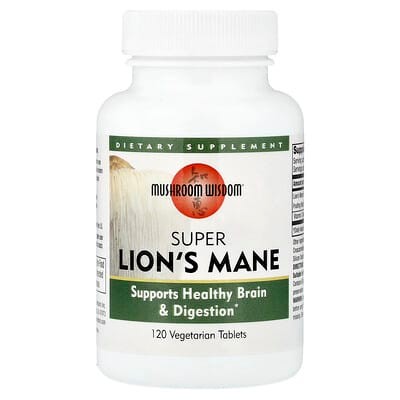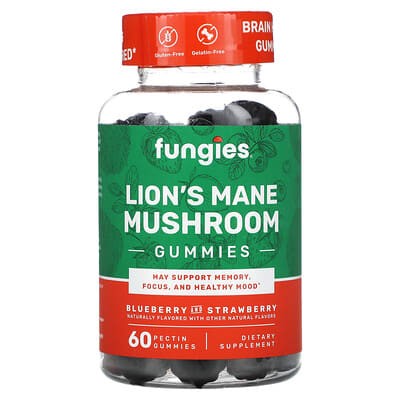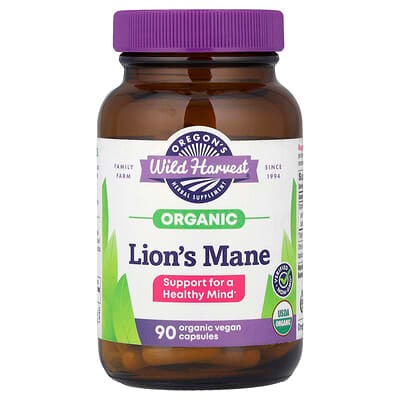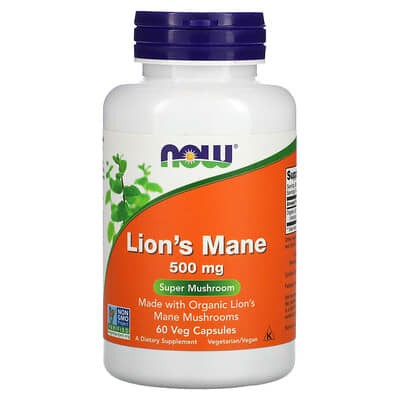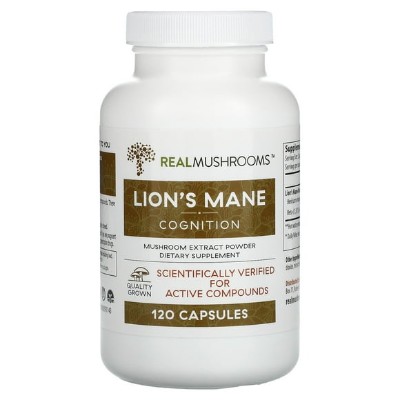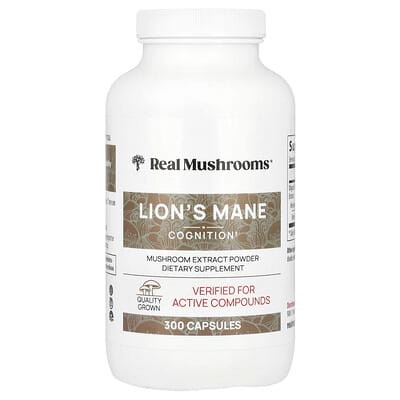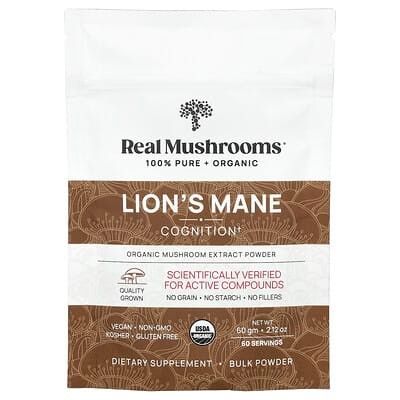
Hericium mushroom

botanical

Hericium erinaceus, known as Lion's Mane mushroom, is an edible fungus distinguished by shaggy, white spines. Traditionally used in East Asian medicine, it is now popular for its potential to support neurological and gastrointestinal health through its adaptogenic qualities. The mushroom contains compounds like hericenones and erinacines, which may stimulate Nerve Growth Factor (NGF) synthesis in the brain. This action is thought to support cognitive function, memory, focus, and nerve regeneration. It is also a source of polysaccharides and beta-glucans, providing antioxidant support. These active components contribute to its anti-inflammatory, immune-modulating, and gut-supportive properties. It may help maintain a healthy gut microbiome, reduce inflammation, and protect against oxidative stress, providing comprehensive support for both mental clarity and digestive well-being.

Natural sources
North American hardwood trees (e.g., oak, maple, beech)European hardwood treesAsian hardwood trees

Ingredient forms

No public comparison lists found.

Timing & Intake
AnytimeWith foodTake with A meal or snack for better absorption and to minimize potential digestive upset.
Taking this in the morning may support cognitive benefits, but it can also be taken later in the day as it is not generally stimulating.
Optimal Dosage
Minimum500 mg
Maximum1000 mg
Safety & Toxicity
3 safety notes
  • Pregnant or nursing individuals should consult a healthcare professional before use.
  • Individuals with mushroom allergies should avoid Hericium mushroom.
  • People with bleeding disorders or those taking anticoagulant medications should use with caution, as it may have mild antiplatelet effects (though not strongly documented with standard supplements).
Goals
Cognitive Support
Impact
High effect
Typical dose:500–3000 mg
Commonly known as Lion's Mane, this mushroom has strong clinical evidence supporting its role in enhancing memory and cognitive function, particularly in individuals with mild cognitive impairment. By boosting NGF, it supports neurogenesis and long-term brain health.

Study evidence

6 studies

Hericium mushroom shows preliminary promise for some measures of cognition, particularly in people with cognitive impairment. Human findings are limited and mixed, and benefits from particular mushroom preparations do not establish reliable cognitive enhancement or prevention of dementia.

View goal
Brain Health
Impact
Moderate effect
Typical dose:500–1000 mg
Also known as Lion's Mane, this mushroom contains unique compounds (hericenones and erinacines) studied for their ability to stimulate the production of NGF. NGF is a protein critical for the survival, maintenance, and regeneration of neurons, making it a promising agent for long-term cognitive health.

Study evidence

10 studies

Hericium mushroom, also known as lion’s mane, shows preliminary promise for some measures of cognition, particularly in older adults or people with mild impairment. Results in healthy younger adults are mixed, and the evidence does not establish lasting brain protection or dementia prevention.

View goal
Mental Focus
Impact
Moderate effect
Typical dose:500–2000 mg
While research is ongoing, Lion's Mane shows significant promise for supporting neurogenesis and protecting against age-related cognitive decline. Its benefits are more subtle and focused on long-term cognitive resilience rather than acute focus.

Study evidence

1 study

The supplied evidence does not establish that Hericium mushroom improves mental focus in healthy younger adults. Testing found no overall cognitive benefit after acute use, and an improvement in a motor task does not demonstrate better attention or concentration.

View goal
Stress Relief
Impact
Moderate effect
Typical dose:500–1500 mg
Lion's Mane (Hericium erinaceus) promotes Nerve Growth Factor (NGF), supporting brain cell health and plasticity. This neuroprotective effect helps buffer the brain against the negative impacts of chronic stress and improves mood and mental clarity.

Study evidence

1 study

Hericium mushroom, also known as lion’s mane, has preliminary evidence suggesting possible stress relief in healthy young adults. The observed reduction in perceived stress was uncertain, and mixed findings mean a reliable stress-relieving effect has not been established.

View goal
Productivity Boost
Impact
Situational effect
Typical dose:500–1500 mg
Commonly known as Lion's Mane, this mushroom contains compounds (hericenones and erinacines) that stimulate the production of NGF. NGF is a protein critical for the growth, maintenance, and survival of neurons, making Lion's Mane a promising supplement for long-term neuro-support and focus.

Study evidence

2 studies

Hericium mushroom has shown limited improvements on some cognitive tests, but the available evidence does not establish a productivity boost. Results are inconsistent, and better reaction speed or performance on a laboratory task does not necessarily translate into getting more work done.

View goal

Studies

Research connections will load here.
Sources

Up to five highest-ranked published examples per goal. Study counts and charts include all published studies for the connection.

  1. Prevention of Early Alzheimer's Disease by Erinacine A-Enriched Hericium erinaceus Mycelia Pilot Double-Blind Placebo-Controlled Study.
    Li IC; Chang HH; Lin CH; Chen WP; Lu TH; Lee LY; Chen YW; Chen YP; Chen CC; Lin DP · Frontiers in aging neuroscience · 2024
    Randomized trialCognitive Support
  2. Benefits, side effects, and uses of Hericium erinaceus as a supplement: a systematic review.
    Menon A; Jalal A; Arshad Z; Nawaz FA; Kashyap R · Frontiers in nutrition · 2025
    Systematic review26 studies pooledCognitive Support
  3. Improvement of cognitive functions by oral intake of Hericium erinaceus.
    Saitsu Y; Nishide A; Kikushima K; Shimizu K; Ohnuki K · Biomedical research (Tokyo, Japan) · 2020
    Randomized trialBrain HealthCognitive Support
  4. The Acute and Chronic Effects of Lion's Mane Mushroom Supplementation on Cognitive Function, Stress and Mood in Young Adults: A Double-Blind, Parallel Groups, Pilot Study.
    Docherty S; Doughty FL; Smith EF · Nutrients · 2023
    Randomized trial41 participantsCognitive SupportStress Relief
  5. Improving effects of the mushroom Yamabushitake (Hericium erinaceus) on mild cognitive impairment: a double-blind placebo-controlled clinical trial.
    Mori K; Inatomi S; Ouchi K; Azumi Y; Tuchida T · Phytotherapy research : PTR · 2009
    Randomized trial30 participantsBrain HealthCognitive Support
  6. Acute Effects of Naturally Occurring Guayusa Tea and Nordic Lion's Mane Extracts on Cognitive Performance.
    La Monica MB; Raub B; Ziegenfuss EJ; Hartshorn S; Grdic J; Gustat A; Sandrock J; Ziegenfuss TN · Nutrients · 2023
    Randomized trialProductivity BoostBrain Health
  7. A review of the effects of mushrooms on mood and neurocognitive health across the lifespan.
    Cha S; Bell L; Shukitt-Hale B; Williams CM · Neuroscience and biobehavioral reviews · 2024
    Systematic review34 studies pooledBrain Health
  8. Acute effects of a standardised extract of Hericium erinaceus (Lion's Mane mushroom) on cognition and mood in healthy younger adults: a double-blind randomised placebo-controlled study.
    Surendran G; Saye J; Binti Mohd Jalil S; Spreadborough J; Duong K; Shatwan IM; Lilley D; Heinrich M; Dodd GF; Surendran S · Frontiers in nutrition · 2025
    Randomized trial18 participantsBrain HealthMental Focus
  9. Four Weeks of Hericium erinaceus Supplementation Does Not Impact Markers of Metabolic Flexibility or Cognition.
    Grozier CD; Alves VA; Killen LG; Simpson JD; O'Neal EK; Waldman HS · International journal of exercise science · 2025
    Non-randomized trial24 participantsProductivity Boost