

Nutrient quality
A meaningful bone-broth protein amount provides useful structural nutrition. Hidden blend composition, modest protein depth, and weak heart-specific design limit overall quality.
 Vitacost Vitacost | $ 51.39 | |
 iHerb iHerb | $ 46.71 | |
 Pure Formulas Pure Formulas | $ 46.71 | |
 Daily Vita Daily Vita | $ 46.71 |
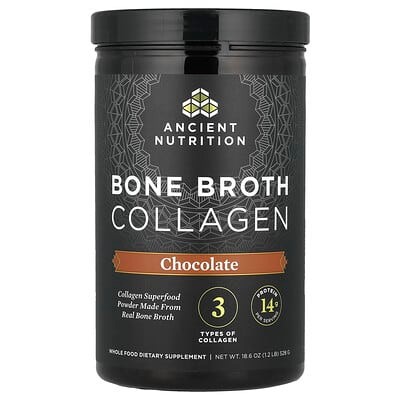
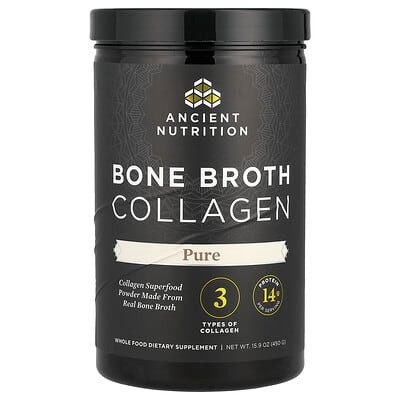
A 15 g bone-broth collagen blend supplies 14 g protein in a simple serving. The pure format may appeal to users who want to mix collagen into other foods or drinks.
Sodium and potassium are both modest, providing little reason to choose it for electrolyte or heart-health support. Collagen also has a narrower amino-acid profile than complete proteins.
The total blend amount is disclosed, but its animal sources and proportions are not. That missing detail limits assessment of quality, dietary fit, and allergen relevance.
A meaningful bone-broth protein amount provides useful structural nutrition. Hidden blend composition, modest protein depth, and weak heart-specific design limit overall quality.
Protein and basic nutrition totals are clear, but the main broth or collagen blend remains opaque. Missing source proportions, full directions, and non-active ingredients reduce transparency.
The supplied average is moderate and supported by substantial response volume. No comment-level evidence is available to assess repeated complaints or alignment with the intended use.
A useful collagen-rich protein serving offers some specialized value. Modest protein depth, hidden source proportions, and premium cost limit category competitiveness.
| Ingredient | Amount per serving |
|---|---|
Calories | 50 Calorie(s) |
Protein | 14 Gram(s) |
Sodium | 105 mg |
Potassium | 190 mg |
Bone Broth Collagen Blend | 15 Gram(s) |
The sodium amount is inadequate for athletic sweat replacement and its source is undisclosed. Potassium adds some breadth, but its form is unknown and no magnesium or buffering compound is present. The collagen serving accounts for the higher cost, leaving little value for electrolyte-focused use.
A moderate potassium amount contributes some dietary support but falls well below a high-potency serving. The potassium appears to come from food-based bone broth, so its chemical form and buffering value are unknown. A costly serving and limited mineral disclosure make it a weak choice for potassium-focused use.
Published studies used for the product analysis and the top-ranked studies for each ingredient and goal.