
Nutrient quality
The protein amount is meaningful and the macronutrient profile is practical. Incomplete whey-source detail and weak heart-specific coverage are the main limitations.
.
 iHerb iHerb | $ 44.43 |
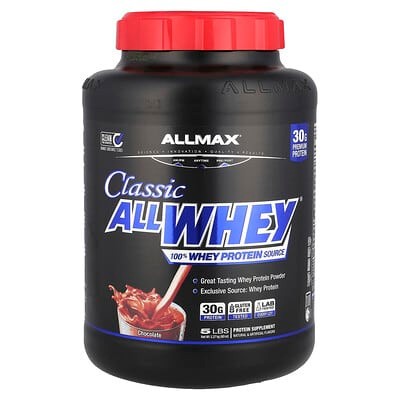
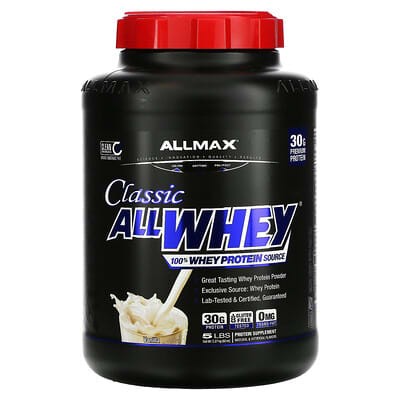
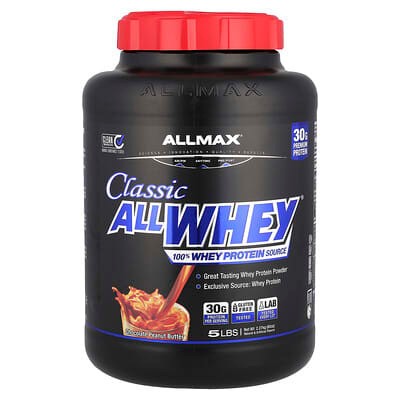
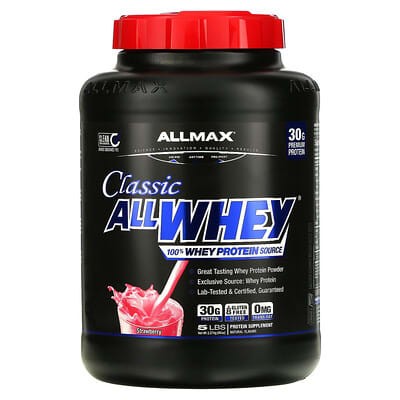
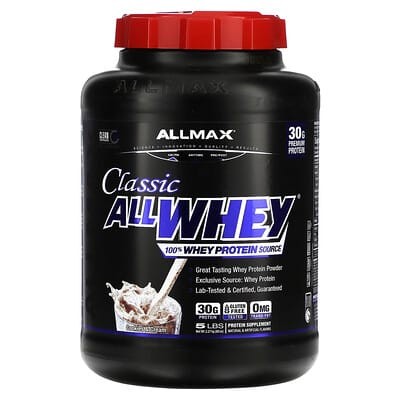
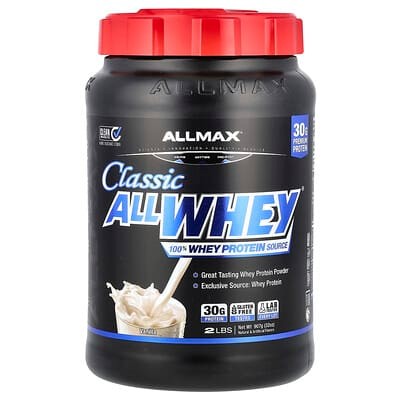
The 30 g protein serving is large enough for people with higher protein needs. Its 11 g carbohydrate and 2.5 g fat amounts are less lean than several alternatives in the same group.
Potassium at 300 mg is moderate but falls short of the supplied effective target. Sodium is too low for meaningful sweat replacement, and there are no ingredients aimed at lipids, vascular tone, or cardiac energy.
The nutrition facts are quantified, but the protein type, mineral compounds, sweeteners, and other ingredients are not provided. The high serving cost further weakens its value compared with close variants that deliver similar nutrition.
The protein amount is meaningful and the macronutrient profile is practical. Incomplete whey-source detail and weak heart-specific coverage are the main limitations.
.Core nutrition totals are clear enough for basic comparison. Missing complete ingredients, use directions, and detailed protein or blend composition leave notable gaps.
.Aggregate satisfaction data are favorable and supported by substantial volume. Specific firsthand comments were not supplied, leaving repeated complaints and purpose fit uncertain.
.Formula opacity or weak serving economics limit value. More transparent or efficient alternatives are likely to be more practical.
.| Ingredient | Amount per serving |
|---|---|
Calories | 190 Calorie(s) |
Total Fat | 2.5 Gram(s) |
Cholesterol | 60 mg |
Total Carbohydrates | 11 Gram(s) |
Protein | 30 Gram(s) |
Calcium | 180 mg |
Iron | 0 mg |
Sodium | 160 mg |
Potassium | 300 mg |
The 160 mg sodium serving is too low for the specified athletic-replenishment range. Potassium adds another electrolyte, although neither mineral source is identified clearly enough to judge form quality. Exact mineral amounts are shown, but sugar and artificial-color details are not provided.
The listed potassium amount is moderate but remains below the effective target. The label gives a likely elemental amount but does not identify the potassium compound, leaving form quality uncertain. Value is weak because the serving combines a sub-target amount with a high serving cost.