
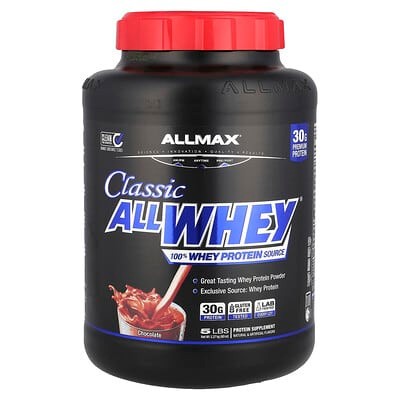
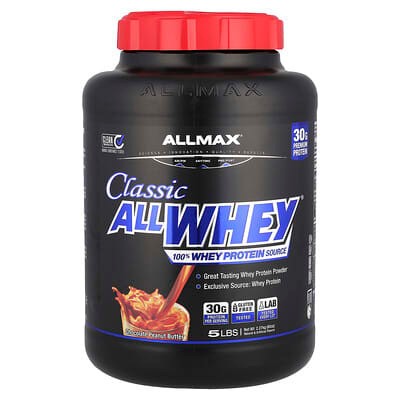
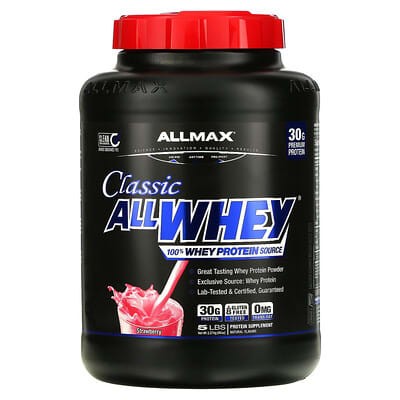
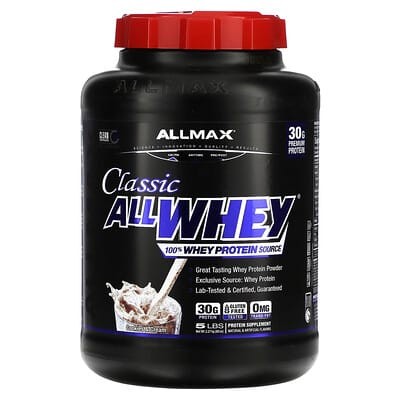
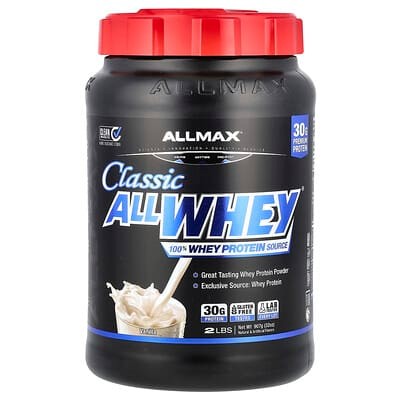
Nutrient quality
The large protein amount is useful, although the supplied data do not identify the whey fractions or processing method. The protein amount is substantial, while sodium and potassium remain secondary.
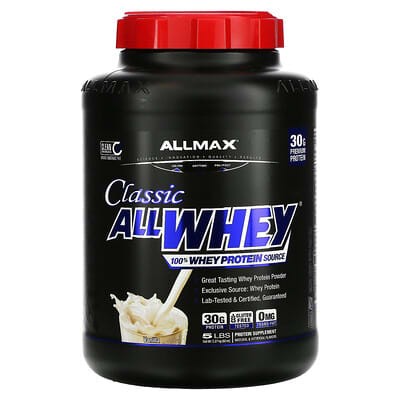
 iHerb iHerb | $ 109.19 | |
 Vitacost Vitacost | $ 86.17 | |
 Amazon Amazon | $ 64.74 | |
| iHerb | $ 109.19 |
The powder delivers 30 g of protein, making it practical for people with higher daily protein targets. Its serving also contains 11 g of carbohydrate, so it is less lean than many isolate-focused alternatives.
Potassium reaches 300 mg while sodium is 160 mg, adding modest mineral value to the protein serving. The source forms are not identified, and these amounts do not create a dedicated electrolyte or cardiovascular product.
Routine serving value appears favorable compared with several peers, which helps frequent users. A complete protein-source breakdown and full flavoring system are not provided, limiting assessment of ingredient quality and tolerance.
The large protein amount is useful, although the supplied data do not identify the whey fractions or processing method. The protein amount is substantial, while sodium and potassium remain secondary.
Protein, macronutrients, and mineral amounts are clearly stated. The product is described as whey, but detailed protein and mineral source forms are absent.
The aggregate rating is positive and the available feedback volume provides useful context. No specific review comments are supplied to assess recurring benefits, taste issues, or complaints.
A substantial protein serving at a reasonable recurring cost supports good practical value. No token performance blends inflate the formula.
| Ingredient | Amount per serving |
|---|---|
Calories | 190 Calorie(s) |
Total Fat | 2.5 Gram(s) |
Cholesterol | 60 mg |
Total Carbohydrates | 11 Gram(s) |
Protein | 30 Gram(s) |
Calcium | 180 mg |
Iron | 0 mg |
Sodium | 160 mg |
Potassium | 300 mg |
The sodium amount is too low for targeted replacement during demanding activity. Mineral sources and buffering support are not disclosed, while the formula is built mainly around protein. Its serving cost reflects broader nutrition rather than strong electrolyte performance.
The potassium appears naturally associated with dairy protein, but its chemical form is not identified. The 300 mg serving provides moderate potency and the label gives only one potassium value. A moderate serving cost offers fair efficiency, though the dose remains below the effective threshold.
Published studies used for the product analysis and the top-ranked studies for each ingredient and goal.