
Nutrient quality
Acetyl-L-carnitine, phosphatidylserine, tyrosine, and B vitamins are recognizable forms, but several nutrients use less preferred or incompletely defined forms. Most brain-focused actives are too lightly dosed for dependable depth.
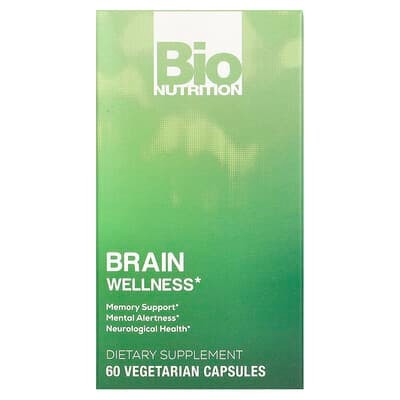
 iHerb iHerb | $ 27.27 | |
 Pure Formulas Pure Formulas | $ 27.27 | |
 Walmart Walmart | $ 22.17 |
The broad ingredient list looks ambitious, but the key amounts are modest. Acetyl-L-carnitine is supplied at 100 mg, while L-tyrosine and DHA are each 50 mg, so the formula is unlikely to serve as a strong standalone source of any of these featured ingredients.
Label disclosure is a relative strength because individual quantities are listed instead of being hidden in a proprietary blend. Important details remain unclear, including the chemical form and source of DHA, the active DMAE yield from 50 mg of DMAE bitartrate, and sourcing or testing information for the major ingredients.
The mix may appeal to someone who wants many nutrients and botanicals in one capsule routine, but the crowded design creates more uncertainty and interaction potential without delivering strong amounts of the main actives. It is a weaker fit for shoppers seeking a focused, well-dosed ALCAR, tyrosine, DHA, or DMAE supplement.
Acetyl-L-carnitine, phosphatidylserine, tyrosine, and B vitamins are recognizable forms, but several nutrients use less preferred or incompletely defined forms. Most brain-focused actives are too lightly dosed for dependable depth.
Every listed active has an individual amount. Daily directions, excipients, DHA source, extract standardization, and kola-nut caffeine yield are absent from the supplied data.
The aggregate satisfaction average is favorable, though no detailed feedback is supplied. The limited volume supports only moderate confidence in that aggregate signal.
The formula includes many relevant actives, but weak dose depth limits the quality delivered. The serving cost is high relative to the effective amounts of the best-known brain ingredients.
| Ingredient | Amount per serving |
|---|---|
Vitamin B1 (Thiamine Hydrochloride) | 10 mg |
Niacinamide | 25 mg |
Pantothenic Acid | 25 mg |
Vitamin B6 (Pyridoxine Hydrochloride) | 10 mg |
Folic Acid | 200 mcg |
Vitamin B12 (Cyanocobalamin) | 100 mcg |
DMAE Bitartrate | 50 mg |
Dimethylglycine | 50 mg |
Choline | 50 mg |
L-Tyrosine | 50 mg |
Acetyl-L-Carnitine | 100 mg |
L-Taurine | 50 mg |
Docosahexaenoic Acid | 50 mg |
Coenzyme Q10 | 10 mg |
Alpha Lipoic Acid | 50 mg |
Phosphatidyl Serine | 100 mg |
Vinpocetine | 500 mcg |
Blueberry extract | 10 mg |
Rhodiola rosea extract | 10 mg |
Ginkgo biloba leaves extract | 5 mg |
Kola Nut extract | 25 mg |
Panax ginseng extract | 10 mg |
Black Pepper extract | 5 mg |
The bitartrate form is clearly named, but only the total salt weight is shown rather than the active Deanol yield. The estimated 18.5 mg active amount is very low. Even with clear serving instructions, no Deanol-specific safety warning appears in the supplied label data, and its broad multi-ingredient formula supports a neutral value assessment.
The formula uses ALCAR but provides only a very small amount. Its salt form and sourcing quality are unclear, although the exact dose is disclosed. The high cost per effective ALCAR amount is not justified by the many mostly low-dose additions.
Standard L-Tyrosine is named and the amount is disclosed, but the 50 mg serving is far below a useful standalone level. No tyrosine-specific sourcing, purity, or testing details are supplied. The crowded brain-support formula offers very poor value for tyrosine delivery.