
Nutrient quality
The protein amount is substantial, with meaningful potassium and moderate sodium alongside it. Undisclosed protein and mineral forms plus a notable carbohydrate and fat load limit quality assessment.
 Nutrition Faktory Nutrition Faktory | $ 29.99 | |
 iHerb iHerb | $ 48.99 | |
 Amazon Amazon | $ 40.41 |
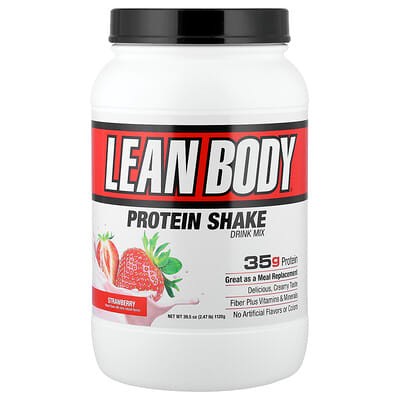
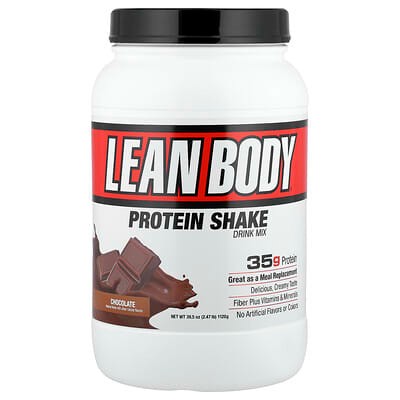
A 35 g protein serving gives this powder real value as a filling meal supplement. The 585 mg of potassium is also a meaningful contribution, although its chemical form and the protein source are not identified.
The heart-health fit is mixed because each serving also contains 400 mg of sodium, 7 g of fat, and 70 mg of cholesterol. With 290 calories and 21 g of carbohydrate, it is better treated as a compact meal than as a lean protein or targeted cardiovascular supplement.
The label clearly quantifies the main macronutrients and electrolytes, but many listed vitamins and minerals appear without usable amounts. It suits people who want substantial protein and calories in one serving, provided the sodium and potassium amounts fit their diet and medical needs.
The protein amount is substantial, with meaningful potassium and moderate sodium alongside it. Undisclosed protein and mineral forms plus a notable carbohydrate and fat load limit quality assessment.
The nutrition panel clearly states protein, macronutrient, sodium, and potassium amounts. The underlying protein ingredients, serving directions, and non-active ingredients are missing from the supplied details.
The supplied average rating is positive and is supported by substantial review count. No detailed feedback is available to assess repeated complaints or purpose-specific experiences.
Substantial protein and meal-style nutrition provide fair value. Missing protein-source details and a relatively high qualitative serving cost reduce competitiveness.

Protein and potassium can support general nutrition, but the serving is not designed around a direct cardiovascular mechanism. A relatively high sodium and cholesterol load offsets some of the practical value of its potassium.
The potassium amount is useful at a food level, while most added micronutrients lack disclosed amounts. Strong protein content gives the powder nutritional depth but does not replace targeted lipid, vascular, or cellular-energy support.
| Ingredient | Amount per serving |
|---|---|
Calories | 290 {Calories} |
Total Fat | 7 Gram(s) |
Cholesterol | 70 mg |
Sodium | 400 mg |
Potassium | 585 mg |
Total Carbohydrates | 21 Gram(s) |
Protein | 35 Gram(s) |
Vitamin A | 0 NP |
Calcium | 0 NP |
Vitamin D | 0 NP |
Thiamine | 0 NP |
Niacin | 0 NP |
Folate | 0 NP |
Biotin | 0 NP |
Phosphorus | 0 NP |
Magnesium | 0 NP |
Copper | 0 NP |
Vitamin C | 0 NP |
Iron | 0 NP |
Vitamin E | 0 NP |
Riboflavin | 0 NP |
Vitamin B6 | 0 NP |
Vitamin B12 | 0 NP |
Pantothenic Acid | 0 NP |
Iodine | 0 NP |
Zinc | 0 NP |
Chloride | 0 NP |
The sodium amount fits a useful athletic replenishment range and potassium is clearly quantified. The mineral forms are not disclosed, while high total carbohydrate makes the powder less suitable for use during exercise. Its cost per serving is above the collection median, reflecting a broader meal-style formula.
The 585 mg amount reaches high potency and provides good value within a full nutrition serving. The food-based powder likely supplies naturally occurring potassium, but the chemical form is not identified. The potassium amount can raise blood potassium in people with impaired kidney function or those using ACE inhibitors, ARBs, or potassium-sparing diuretics.
Published studies used for the product analysis and the top-ranked studies for each ingredient and goal.