
Nutrient quality
A substantial complete-protein amount provides the main nutritional strength. Unspecified protein and mineral forms plus limited heart-specific design reduce confidence in quality and intended-use fit.
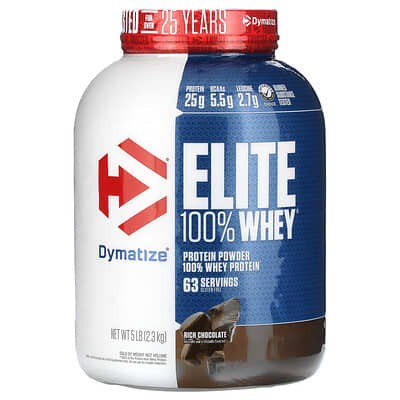
 iHerb iHerb | $ 92.94 | |
 Vitacost Vitacost | $ 88.33 |
A 25 g protein serving gives this powder a solid base for daily protein intake and training recovery. The relatively small carbohydrate amount keeps the serving focused on protein.
Potassium adds modest nutritional value, while sodium is present at a moderate amount. Three grams of fat and 75 mg cholesterol matter more for people choosing a protein specifically around heart-health priorities.
The supplied label identifies the core nutrition facts but does not show the whey form or inactive ingredients. That gap makes protein processing, flavoring, sweeteners, and allergen details harder to judge.
A substantial complete-protein amount provides the main nutritional strength. Unspecified protein and mineral forms plus limited heart-specific design reduce confidence in quality and intended-use fit.
Protein and basic nutrition totals are clear enough to judge the main serving. Missing source ingredients, mineral forms, full directions, and non-active ingredients prevent complete label assessment.
The supplied average is strong and supported by moderate response volume. No comment-level evidence is available to assess repeated complaints or alignment with the intended use.
A substantial complete-protein serving provides practical nutritional value. Incomplete source disclosure and weak heart-specific utility limit the quality case at the stated category cost.
| Ingredient | Amount per serving |
|---|---|
Calories | 140 Calorie(s) |
Total Fat | 3 Gram(s) |
Cholesterol | 75 mg |
Sodium | 160 mg |
Total Carbohydrates | 3 Gram(s) |
Protein | 25 Gram(s) |
Vitamin D | 0 mcg |
Calcium | 140 mg |
Iron | 1.1 mg |
Potassium | 330 mg |
The label gives a sodium amount without naming its source, limiting purity assessment. 160 mg is below the target range for intense sweat replacement; supporting electrolytes are present, but their forms do not establish high bioavailability; no trace-mineral complex or buffering compound is disclosed. The moderate carbohydrate load lowers suitability during exercise compared with a leaner formula; the serving cost is close to the market middle and offers good value.
The potassium amount approaches the collection midpoint but still falls short of the effective-dose threshold. Its chemical form is not identified, limiting confidence in bioavailability. The serving has fair potassium value, while protein remains the main reason to choose it.