

Nutrient quality
Zinc and vitamin B6 are substantial, though the repeated zinc entries make the true total ambiguous. Vitamin B6 at 20 mg is high for routine long-term use, and an additive zinc total would be excessive.
 iHerb iHerb | $ 10.19 | |
 Vitacost Vitacost | $ 10.19 | |
 Walmart Walmart | $ 10.19 | |
 Pure Formulas Pure Formulas | $ 10.19 |
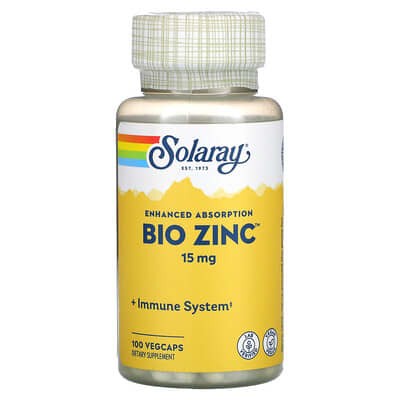
The capsule supplies 15 mg zinc through three generally favorable forms. That amount is suitable for maintenance and is easier to assess than a large proprietary mineral blend.
The label does not state how much each zinc form contributes, and no copper is included for long-term mineral balance. Vitamin B6 at 20 mg is not necessary to deliver zinc and becomes a meaningful cumulative exposure.
It fits adults wanting moderate-dose zinc and monitoring the rest of their diet. Long-term users should review copper intake and avoid stacking other high-B6 products.
Zinc and vitamin B6 are substantial, though the repeated zinc entries make the true total ambiguous. Vitamin B6 at 20 mg is high for routine long-term use, and an additive zinc total would be excessive.
Amounts are stated, but repeating 15 mg for three zinc forms makes the total ambiguous. No proprietary blend hides the active ingredients.
The very strong rating is supported by a very large review base. No review text is available to assess recurring complaints or firsthand results.
Good zinc forms support quality, though dose ambiguity and high B6 weaken balance. The long bottle life provides strong practical serving value.
| Ingredient | Amount per serving |
|---|---|
Vitamin B6 (Pyridoxine Hydrochloride) | 20 mg |
Zinc (Zinc Amino Acid Chelate, Zinc Citrate, Zinc Picolinate) | 15 mg |
Pyridoxine hydrochloride is the sole disclosed B6 form and no riboflavin conversion support is listed. The 20 mg serving sits within the preferred range and below the chronic neuropathy ceiling. Value is excellent for the low serving cost, though the B6 form is basic.